
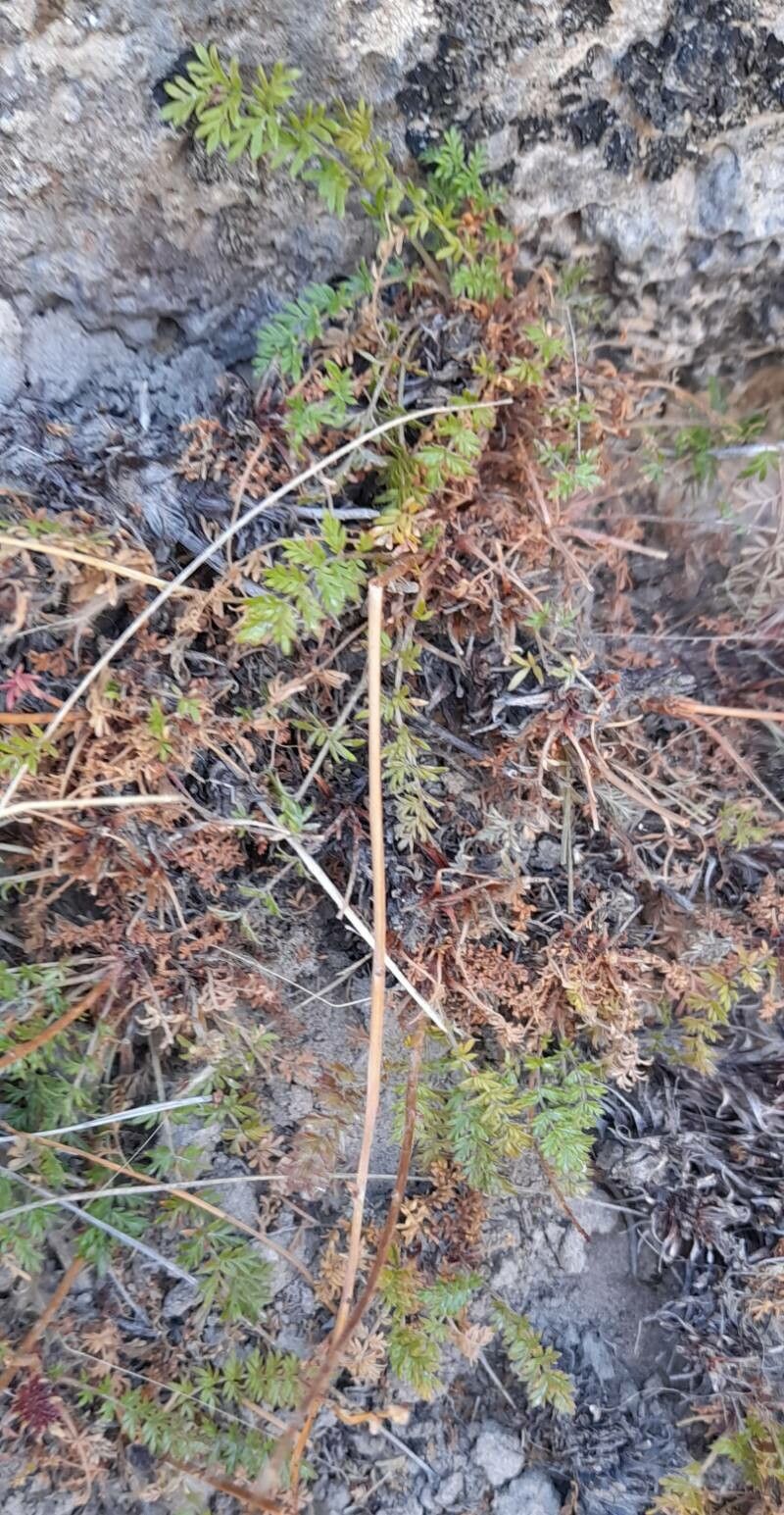
Propagating Acaena poeppigiana: A Guide to Cultivating the Copper Flower
Acaena poeppigiana, commonly known as the copper flower or piedmont acaena, is a charming groundcover prized for its vibrant copper-toned foliage and attractive, spiky seed heads. Its low-growing habit, tolerance of various soil types, and ability to thrive in full sun or partial shade make it a popular choice among gardeners looking for a hardy and aesthetically pleasing addition to their landscapes. However, propagation can present some challenges, making successful cultivation all the more rewarding.
Seed Germination:
Currently, there are no known reliable methods for seed germination propagation of Acaena poeppigiana. While seeds may be produced, their germination rate is notoriously low, and success is largely unpredictable. Factors like seed dormancy and the precise conditions needed for successful germination remain elusive. Therefore, relying on seed propagation for this species is generally not recommended.
Cuttings:
Cuttings offer a far more reliable method for propagating Acaena poeppigiana.
Challenges: The main challenge lies in achieving successful rooting. While softwood cuttings taken in spring or early summer have the highest success rate, even then, consistent rooting isn’t guaranteed without the use of rooting hormone.
Practical Tips: Take 4-6 inch cuttings from actively growing stems, removing lower leaves to prevent rot. Dip the cut ends in a rooting hormone powder and plant them in a well-draining propagation mix (e.g., a mix of perlite and peat moss). Maintain consistently moist but not soggy conditions, ideally under a humid environment (e.g., using a propagator or covering the cuttings with a clear plastic bag). Providing bottom heat can also increase success rates.
Rewards: Cuttings offer a relatively quick method of propagating genetically identical plants, allowing gardeners to easily replicate successful specimens.
Division:
Division is another effective technique for propagating Acaena poeppigiana.
Challenges: The best time to divide is during spring or early autumn when the plant is actively growing or showing signs of new growth. Mature clumps are needed for successful division – small divisions may struggle to establish. Care must be taken to avoid damaging the root system during the division process.
Practical Tips: Carefully dig up the entire clump, gently separating it into smaller divisions, ensuring each has sufficient roots and several shoots. Replant the divisions immediately, spacing them appropriately to allow for growth. Water thoroughly after planting.
Rewards: Division is a simple and reliable method, resulting in quicker establishment than cuttings and allowing for the propagation of larger numbers of plants.
Tissue Culture:
Tissue culture offers a highly specialized and technically demanding method for propagating Acaena poeppigiana.
Challenges: Obtaining sterile plant material and maintaining a sterile environment during the entire process are significant challenges. Specialized knowledge, equipment, and lab facilities are required. The process is also time-consuming and costly.
Practical Tips: This method is primarily suited for large-scale propagation or research purposes, requiring expertise in plant tissue culture techniques.
Rewards: Tissue culture allows for potentially rapid large-scale propagation of disease-free plants and offers the possibility of genetic improvement.
Conclusion:
While seed propagation is unreliable for Acaena poeppigiana, cuttings and division provide readily accessible and efficient methods for home gardeners. Tissue culture, though challenging, offers avenues for larger-scale propagation. The rewards of successfully cultivating Acaena poeppigiana, despite the hurdles involved, are substantial. The vibrant foliage and satisfying ease of maintenance make this plant a truly rewarding addition to any garden. Don’t be discouraged by the challenges; with patience and attention to detail, aspiring propagators can enjoy the unique satisfaction of nurturing this beautiful groundcover from a cutting or division.