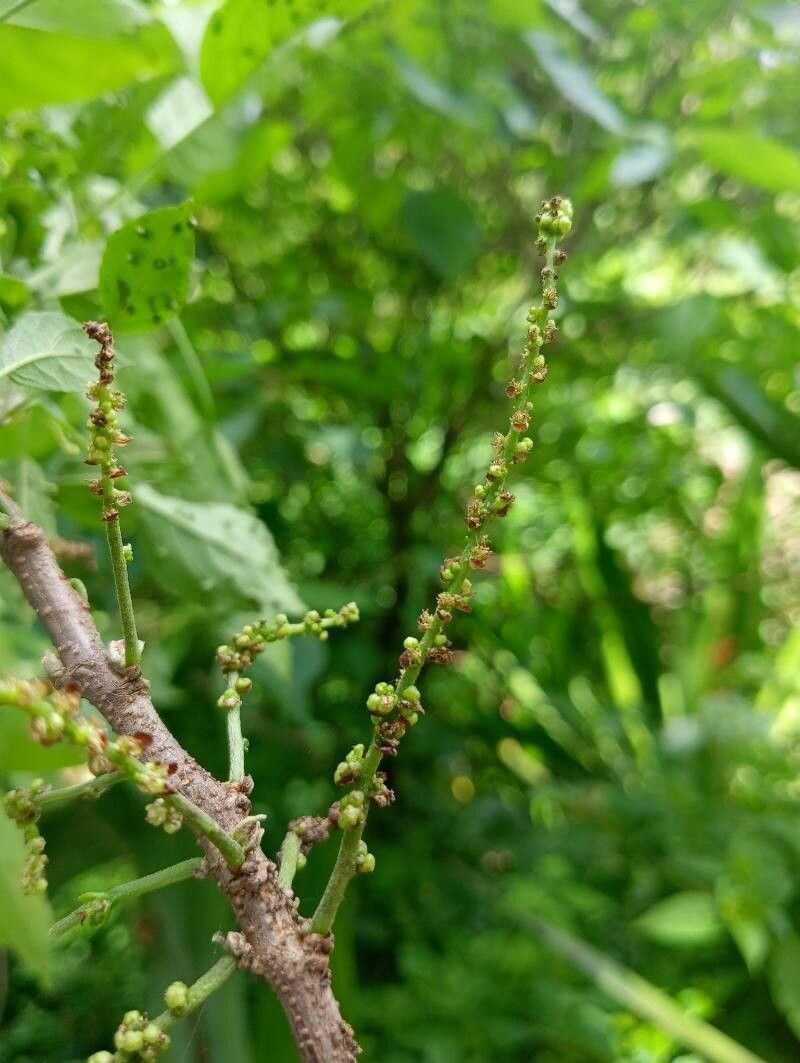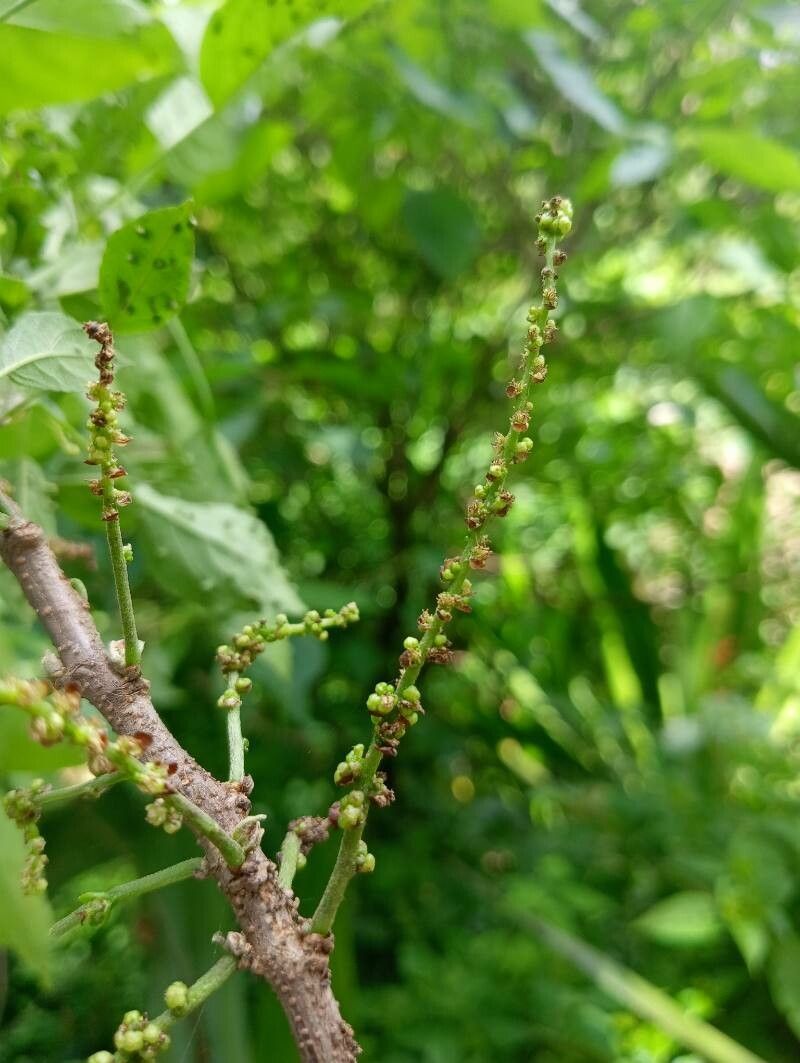
Propagating Acalypha emirnensis: A Gardener’s Guide to the Copperleaf
Acalypha emirnensis, commonly known as the Madagascar copperleaf, is a captivating ornamental plant prized for its striking foliage. Its vibrant, copper-colored leaves, often tinged with reddish hues, provide a dramatic textural and color contrast in gardens and containers. This relatively uncommon plant has gained popularity among plant enthusiasts for its unique beauty and the challenge it presents in propagation. This article explores various methods for propagating Acalypha emirnensis, highlighting both the rewards and the difficulties involved.
Seed Germination:
Currently, there are no known reliable methods for seed germination propagation of Acalypha emirnensis. While the plant does produce seeds, their viability and germination rate appear to be exceptionally low under various conditions tested. Further research into specific germination requirements, including potential stratification techniques, is needed.
Cuttings:
Cuttings offer a more viable method for propagating Acalypha emirnensis.
Challenges: The success rate can be moderate, depending on the time of year and the care taken. Root rot is a potential problem if the cuttings are not kept in a well-draining medium and provided with sufficient air circulation.
Practical Tips: Take semi-hardwood cuttings, approximately 4-6 inches long, from healthy, actively growing stems in spring or early summer. Remove lower leaves to prevent rotting and dip the cut ends in a rooting hormone powder. Plant the cuttings in a well-draining propagation mix, such as a blend of perlite and peat moss, and keep consistently moist but not waterlogged. Cover with a plastic dome or bag to maintain humidity. Place in bright, indirect light, avoiding direct sun. Rooting should occur within 4-6 weeks.
- Rewards: Cuttings allow for the rapid multiplication of desirable plants, preserving the unique characteristics of the mother plant. It offers a relatively straightforward approach compared to other methods.
Division:
Division is another possible method, but it is limited by the plant’s growth habit.
Challenges: Acalypha emirnensis doesn’t readily form dense clumps suitable for easy division, unlike some other species. Care must be taken to avoid damaging the root system.
Practical Tips: If the plant has developed multiple stems from the base, it is potentially possible to carefully divide the root ball in spring or early autumn, ensuring each division possesses sufficient roots and foliage. Replant the divisions in well-draining soil and water gently.
- Rewards: Division provides a quick way to increase the number of plants, provided a suitable, established plant is available for division.
Tissue Culture:
Tissue culture offers the potential for large-scale propagation of Acalypha emirnensis, but it’s technically demanding and requires specialized equipment and expertise.
Challenges: Establishing a sterile culture and finding the optimal growth media and hormonal balance for Acalypha emirnensis can be challenging and requires significant experimentation.
Practical Tips: This method is best left to experienced tissue culture professionals. Successful propagation relies on meticulously aseptic technique and a deep understanding of plant tissue culture principles.
- Rewards: Tissue culture offers the highest potential for large-scale propagation, rapidly generating numerous genetically identical plants from a single source. It also allows for virus elimination and the production of disease-free planting material.
Conclusion:
Propagating Acalypha emirnensis presents unique challenges, but the rewards of successfully cultivating this beautiful plant are considerable. While seed propagation remains unreliable, cuttings provide a practical approach for home gardeners, while division offers a limited option. Tissue culture holds the key to mass production, but this requires specialized expertise. The unique satisfaction of overcoming the propagation difficulties and witnessing the vibrant copper leaves unfurl on your carefully nurtured plants makes the effort truly worthwhile. Don’t be discouraged by initial setbacks; persistence and a willingness to experiment are key to successfully propagating this stunning Madagascar copperleaf. Remember patience and meticulous attention to detail are crucial for success, regardless of the chosen method.