
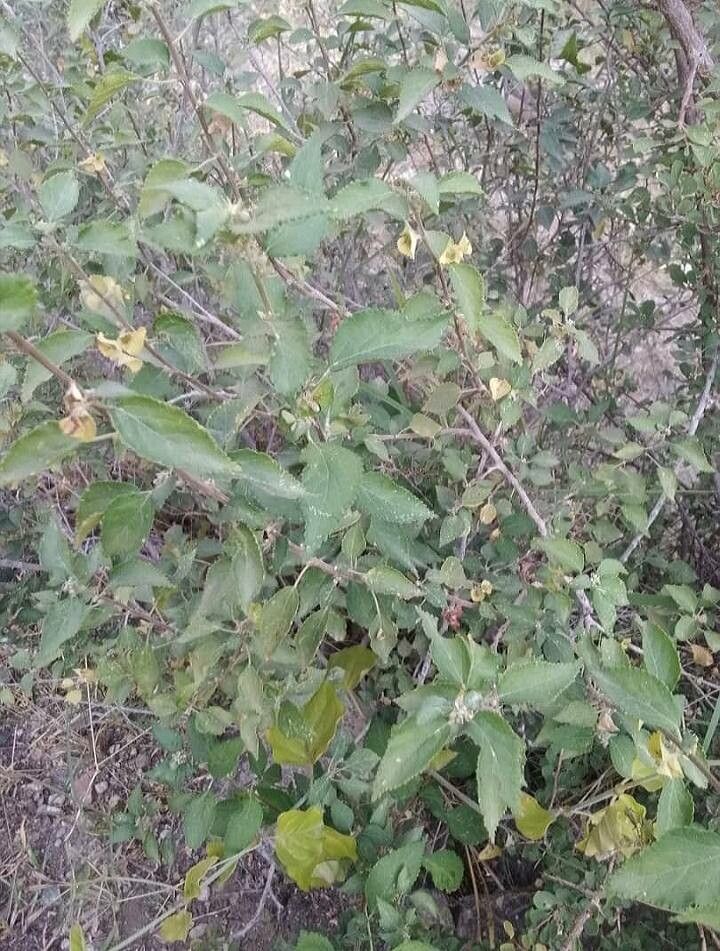
Propagating Acalypha fruticosa: A Gardener’s Guide to the Copperleaf
Acalypha fruticosa, commonly known as the three-seeded mercury or copperleaf, is a charming shrub prized for its vibrant foliage. Its ovate, serrated leaves boast a spectrum of greens, often tinged with reds or bronzes, creating an eye-catching display in gardens and landscapes. The ease of cultivation and its tolerance of various conditions contribute to its popularity among gardeners, but propagating this plant can present some unique challenges. This article explores various propagation methods, outlining their viability and providing practical guidance.
Seed Germination:
Currently, there are no known reliable methods for seed germination propagation of Acalypha fruticosa. While the plant does produce seeds, their germination rate is notoriously low, and successful propagation from seed is rarely reported. This is likely due to factors like seed dormancy mechanisms that hinder germination and the plant’s preference for vegetative propagation.
Cuttings:
Viability: Cuttings are the most reliable and widely used method for propagating Acalypha fruticosa.
Challenges: Success depends on employing proper techniques. Using semi-hardwood cuttings taken in late spring or early summer yields the best results. Inferior rooting can occur if cuttings are too soft or too hard.
Practical Tips:
- Select healthy, 4-6 inch long stems from the current season’s growth.
- Remove lower leaves, leaving a few at the top to support photosynthesis.
- Dip the cut ends in rooting hormone powder to stimulate root development.
- Plant the cuttings in a well-draining potting mix, such as a peat moss and perlite blend.
- Maintain high humidity by covering the cuttings with a plastic bag or dome.
- Keep the potting mix consistently moist but not waterlogged.
- Provide indirect light and warm temperatures (around 70-75°F).
- Rooting should occur within 4-6 weeks. Once rooted, transplant into individual pots.
Rewards: Cuttings offer a relatively simple and efficient method for quickly increasing the number of Acalypha fruticosa plants, preserving the desirable characteristics of the parent plant.
Division:
Viability: Division is a viable method, particularly for established, larger plants.
Challenges: Careful handling is essential to avoid damaging the roots. The success rate depends on the health and size of the root system.
Practical Tips:
- Divide the plant during spring or early autumn, when the plant is actively growing.
- Gently dig up the entire plant, ensuring you don’t sever major roots excessively.
- Separate the plant into smaller sections, each with its own healthy root system.
- Replant the divisions in well-prepared soil, ensuring adequate spacing.
- Water thoroughly after division and maintain consistent moisture levels.
Rewards: Division is a quick way to propagate several plants at once, particularly useful when you wish to expand existing plantings.
Tissue Culture:
Viability: Tissue culture is a viable method but requires specialized equipment, sterile conditions, and expertise.
Challenges: Setting up and maintaining a tissue culture lab can be expensive and requires considerable technical skill. Contamination is a major risk.
Practical Tips: This method requires a sterile lab environment and expertise in plant tissue culture techniques. Axillary buds or leaf segments are commonly used as explants. Specific nutrient media formulation is crucial for successful propagation.
Rewards: Tissue culture allows for large-scale propagation of genetically identical plants, ensuring consistency and preventing disease transmission.
Conclusion:
Propagating Acalypha fruticosa offers varying levels of challenge depending on the chosen method. While seed propagation is unreliable, cuttings provide a relatively straightforward path to success for most home gardeners. Division offers a rapid propagation method for established plants, while tissue culture, though complex, provides a pathway to mass production. Each method presents its own rewards, from the genetic diversity potentially offered by (although currently unreliable) seed germination to the speed and scale offered by cuttings and tissue culture. The satisfaction of nurturing a cutting through to a thriving, vibrant plant, especially after overcoming the initial hurdles, is unique and rewarding for any plant enthusiast. Don’t be discouraged by initial setbacks – persistence and well-informed techniques are key to success in cultivating this beautiful plant.