Propagating the Chenille Plant: A Guide to Acalypha multicaulis
Introduction:
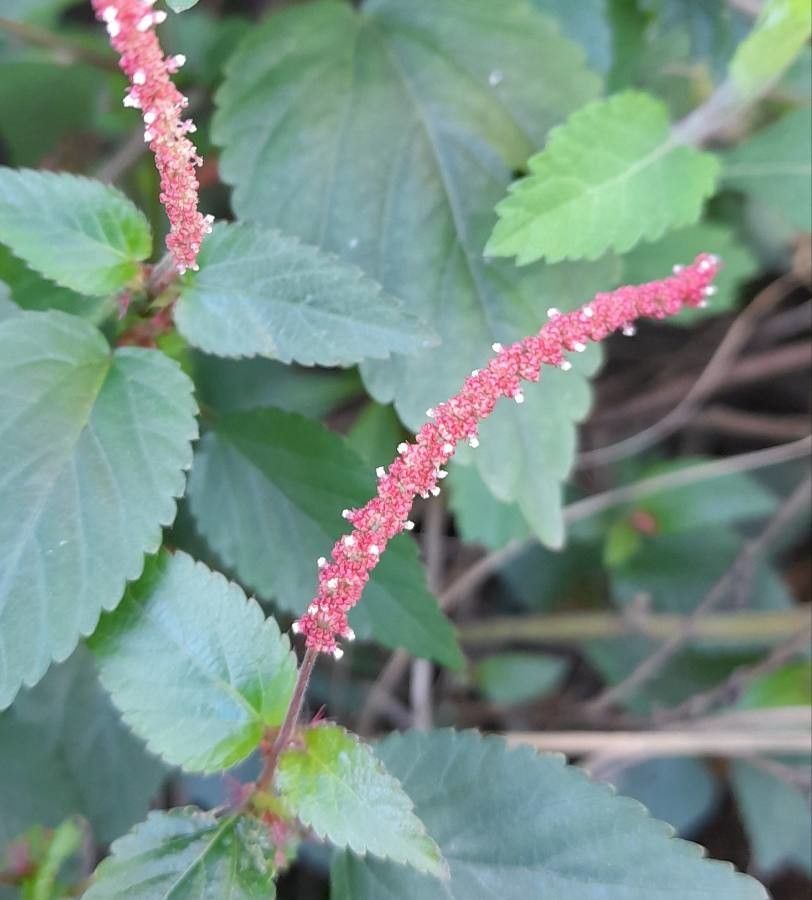
Acalypha multicaulis, commonly known as the Chenille plant, is a captivating shrub prized for its unique, vibrant inflorescences resembling fuzzy caterpillars. These long, pendulous flower spikes, ranging in color from deep red to purplish-pink, make it a highly sought-after ornamental plant in gardens worldwide. Its relatively low maintenance requirements and striking appearance contribute to its popularity among home gardeners and landscape professionals alike. However, propagation can present some challenges, necessitating careful consideration of various methods. This article explores different techniques for successfully propagating Acalypha multicaulis.
Seed Germination:
Currently, there are no known reliable methods for seed germination propagation of Acalypha multicaulis. While the plant does produce seeds, germination rates are extremely low, and successful propagation from seed is rarely reported. Further research may reveal techniques to improve germination, but currently, this is not a practical method for propagating this species.
Cuttings:
Cuttings offer the most reliable method for propagating Acalypha multicaulis.
Challenges: The main challenge is ensuring proper rooting hormone application and maintaining high humidity to prevent cuttings from drying out. The success rate can be affected by the time of year (spring and summer being optimal) and the quality of the cutting material.
Practical Tips: Take semi-hardwood cuttings (approximately 4-6 inches long) from healthy, non-flowering stems in spring or early summer. Remove lower leaves to prevent rot and dip the cut end in a rooting hormone powder. Plant the cuttings in a well-draining potting mix, maintaining consistently moist (but not waterlogged) conditions. Cover the cuttings with a clear plastic bag or humidity dome to create a humid environment. Regularly mist the cuttings to maintain humidity. Rooting typically takes several weeks.
Rewards: Cuttings offer a high success rate, resulting in genetically identical plants to the parent plant. This ensures the preservation of desirable characteristics.
Division:
Division is not typically a viable method for propagating Acalypha multicaulis because it doesn’t naturally form multiple crowns or stems from a single root system suitable for division.
Tissue Culture:
Tissue culture offers the potential for large-scale propagation of Acalypha multicaulis.
Challenges: Tissue culture requires specialized equipment, sterile conditions, and technical expertise. This method is more complex and costly than cuttings.
Practical Tips: Sterile procedures are vital. Explants (small sections of plant tissue) must be carefully taken from healthy, disease-free plants. Using a nutrient-rich agar medium under controlled environmental conditions is crucial. Growth regulators are necessary to induce shoot and root development.
Rewards: Tissue culture allows for the rapid production of many genetically identical plants, and is ideal for disease-free propagation and large-scale commercial production.
Conclusion:
Propagating Acalypha multicaulis presents varying degrees of challenge depending on the chosen method. Seed propagation is currently impractical. Cuttings offer the most accessible and reliable method for home growers, with reasonable success rates when proper techniques are followed. Tissue culture, while the most efficient for large-scale operations, requires specialized skills and equipment.
The satisfaction derived from successfully propagating a Chenille plant, particularly through cuttings, is immense. Overcoming the challenges and witnessing the emergence of new shoots from a simple cutting is rewarding and testament to the grower’s patience and diligence. For aspiring propagators, remember that patience and attention to detail are key. Start with the simpler cutting method to gain confidence, and then explore tissue culture if you desire large-scale propagation. The beauty of the Chenille plant is well worth the effort.