
Propagating Acalypha siamensis: A Gardener’s Guide
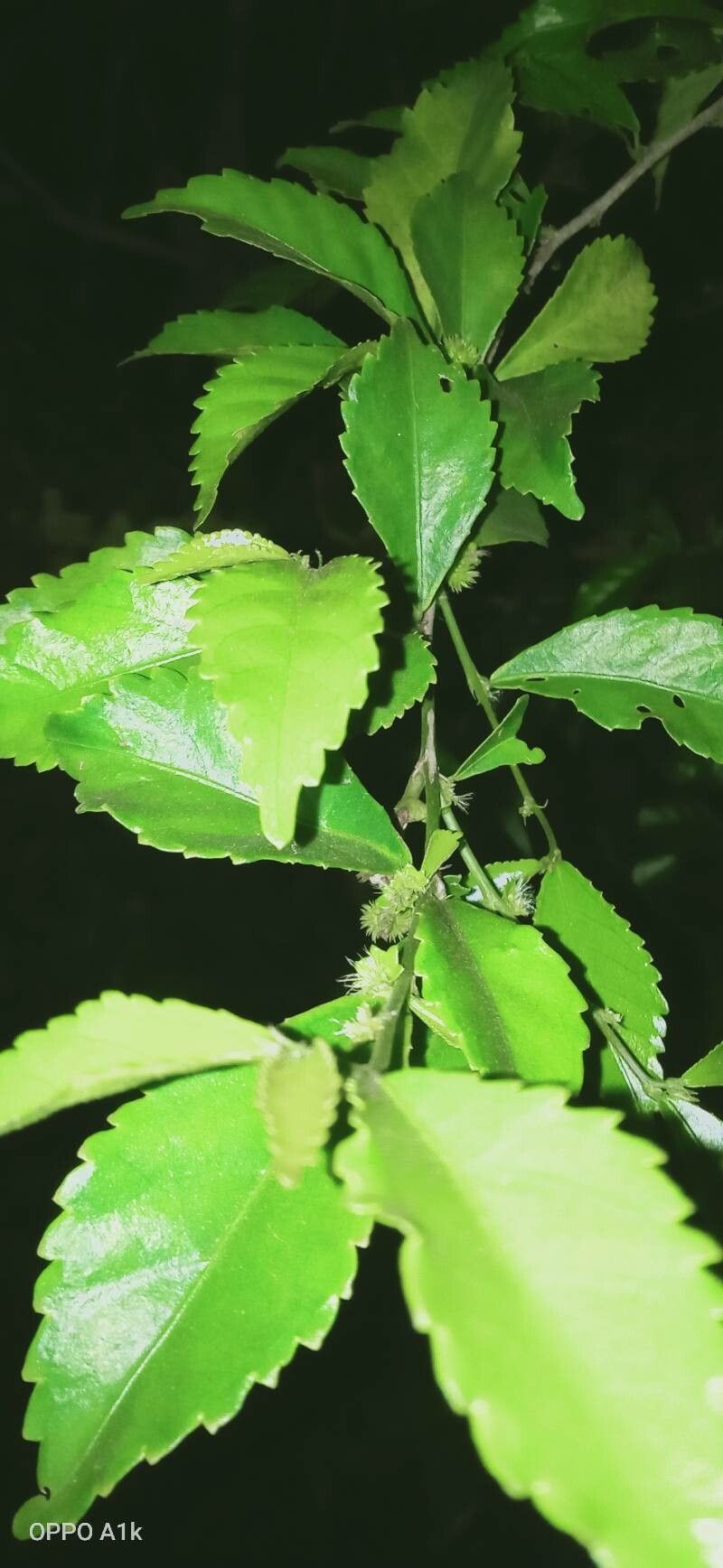
Acalypha siamensis, commonly known as Siamese acalypha or sometimes as a type of copperleaf, is a captivating plant appreciated for its vibrant foliage. Its uniquely textured leaves, often exhibiting striking colors ranging from deep greens to reddish-browns, make it a popular choice for both indoor and outdoor cultivation. The plant’s relatively compact habit also contributes to its appeal, making it suitable for containers and smaller gardens. However, its propagation presents some unique challenges, making successful cultivation all the more rewarding.
Seed Germination:
Currently, there are no known reliable methods for seed germination propagation of Acalypha siamensis. While the plant does produce seeds, their viability and germination rate are extremely low under typical horticultural conditions. Further research is needed to determine if specific pretreatment methods, such as scarification or stratification, might improve germination success.
Cuttings:
Cuttings represent the most successful and widely used method for propagating Acalypha siamensis.
Challenges: The main challenge lies in achieving successful rooting. Acalypha siamensis cuttings can be prone to rot if not provided with optimal conditions.
Tips: Take semi-hardwood cuttings, about 4-6 inches long, from healthy, actively growing stems in spring or summer. Remove lower leaves to prevent rot and dip the cut ends in rooting hormone. Plant the cuttings in a well-draining propagation mix (e.g., perlite and peat moss) and keep the mix consistently moist but not soggy. High humidity is crucial; consider using a humidity dome or propagating under a plastic bag. Bottom heat can also significantly improve rooting success.
Rewards: Cuttings offer a relatively quick and straightforward method to produce genetically identical plants. This is particularly advantageous if you have a prized cultivar with desirable characteristics.
Division:
Division is feasible for Acalypha siamensis, but it’s limited by the plant’s relatively compact habit.
Challenges: Mature plants may not have sufficiently developed root systems to allow for easy division into several viable portions. Damage to the roots during division can also hamper successful establishment.
Tips: The best time to divide is during spring or early summer, when the plant is actively growing. Carefully dig up the entire plant and gently separate it into smaller sections, ensuring each section has a good portion of roots and healthy stems. Replant the divisions immediately and water thoroughly.
Rewards: Division provides a relatively easy way to increase the number of plants, although this method is less efficient compared to cuttings.
Tissue Culture:
Tissue culture offers a high-potential avenue for propagation, though it requires specialized equipment and expertise.
Challenges: Establishing a sterile environment and selecting appropriate growth media are crucial for success. Developing optimized tissue culture protocols specifically for Acalypha siamensis may require experimentation.
Tips: Consult existing literature on tissue culturing related species within the Acalypha genus to develop a preliminary protocol. Finding a reliable source of explants (tissue samples) from healthy, disease-free plants is essential. Proper sterilization and aseptic techniques are absolutely paramount.
Rewards: Tissue culture allows for mass propagation, providing a method for large-scale production of uniform plants. It also allows for disease elimination and offers the potential to conserve rare cultivars.
Conclusion:
Propagating Acalypha siamensis presents unique challenges across all methods. Seed germination remains unreliable, while division is restricted by the plant’s habit. Cuttings offer the most accessible and successful approach, yet require careful attention to humidity and preventing rot. Tissue culture holds promise for large-scale propagation, but requires specialized expertise. Despite the difficulties, the vibrant beauty of Acalypha siamensis makes the effort worthwhile. The satisfaction of nurturing a cutting from a small stem into a thriving plant or mastering tissue culture techniques offers a unique reward. Don’t be discouraged by initial setbacks – patience and persistent experimentation are key to success in cultivating this beautiful and somewhat challenging plant.
