
Propagating Acalypha stricta: A Gardener’s Guide to the Slender Copperleaf
Introduction
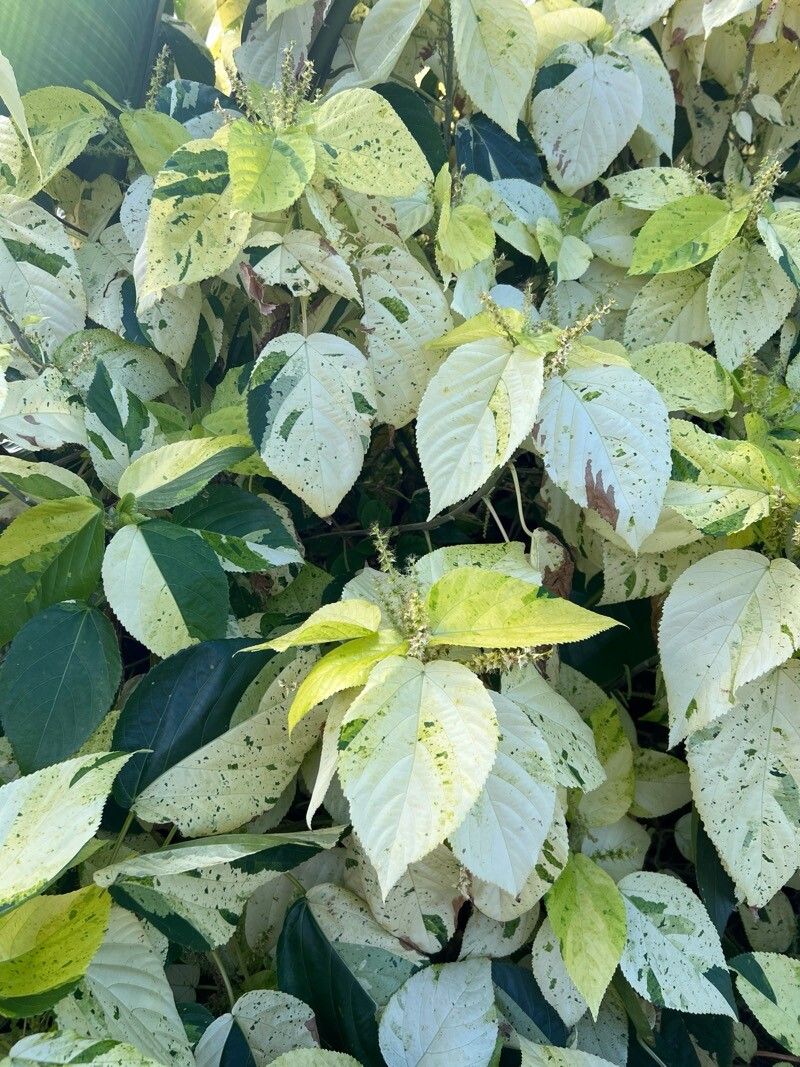
Acalypha stricta, commonly known as slender copperleaf or red-hot cattail, is a charming perennial shrub prized for its vibrant, reddish-colored inflorescences that resemble delicate cattails. This relatively low-maintenance plant, native to the tropics and subtropics, enjoys popularity among gardeners for its striking foliage and ability to thrive in a range of conditions. However, its propagation isn’t always straightforward, presenting a unique challenge and reward for plant enthusiasts. Its popularity stems from its easy care once established, but successfully propagating it requires some understanding of its specific needs.
Seed Germination
Currently, there are no known reliable methods for seed germination propagation of Acalypha stricta. While the plant does produce seeds, germination rates are exceptionally low, even under optimal conditions. Further research into specific seed treatment methods may be necessary to improve seed germination success.
Cuttings
Cuttings represent a viable and relatively successful method for propagating Acalypha stricta.
Challenges: Success hinges on selecting healthy, actively growing stem cuttings and providing appropriate conditions for rooting. Overwatering or fungal infections are common pitfalls.
Practical Tips: Take 4-6 inch cuttings from non-flowering stems in spring or early summer. Remove lower leaves, dip the cut end in rooting hormone, and plant in a well-draining propagation mix (e.g., perlite and peat moss). Maintain consistently moist (but not soggy) conditions and high humidity, ideally using a humidity dome or propagator. Bottom heat can significantly improve rooting success.
- Rewards: This method offers a relatively quick propagation process, resulting in genetically identical plants to the parent. It’s an efficient way to increase the number of plants, especially for gardeners wanting to create larger displays or share with others.
Division
Division is another feasible approach for Acalypha stricta propagation, though it’s best suited for established, mature plants.
Challenges: Dividing the plant requires careful handling to avoid damaging roots. Each division should have a sufficient root system to establish independently.
Practical Tips: The best time to divide Acalypha stricta is during spring, when the plant begins new growth. Carefully dig up the plant, gently separate the root ball into smaller sections, ensuring each section has healthy roots and stems. Replant the divisions immediately, ensuring adequate spacing for future growth.
- Rewards: This method provides a relatively quick way to increase the number of plants, leveraging existing root systems for faster establishment. It maintains the genetic characteristics of the parent plant.
Tissue Culture
Tissue culture propagation of Acalypha stricta is a possibility, though it requires specialized equipment, sterile techniques, and a significant investment of time and resources.
Challenges: Establishing sterile conditions and employing appropriate media and growth regulators are crucial for successful tissue culture. This method involves a high degree of technical expertise.
Practical Tips: The procedure requires a controlled environment with sterilized instruments, nutrient media, and growth hormones. This is typically undertaken in a laboratory setting by experienced horticulturalists.
- Rewards: Tissue culture offers potential for mass propagation and producing disease-free plants. It is also efficient in conserving rare or endangered genotypes.
Conclusion
Propagating Acalypha stricta presents both challenges and rewards. While seed germination is unreliable, cuttings and division offer viable, accessible methods for the home gardener. Tissue culture presents a more advanced, high-output technique. The key to success lies in attentiveness to detail, especially regarding watering, humidity, and the selection of healthy plant material. The satisfaction of nurturing a cutting into a thriving plant, or carefully dividing a mature specimen, far outweighs the initial difficulties. The vibrant color and unique texture of Acalypha stricta make the effort well worthwhile for any dedicated plant enthusiast. Don’t be discouraged by initial setbacks—with patience and persistence, even the most challenging propagation endeavors can yield beautiful results.
