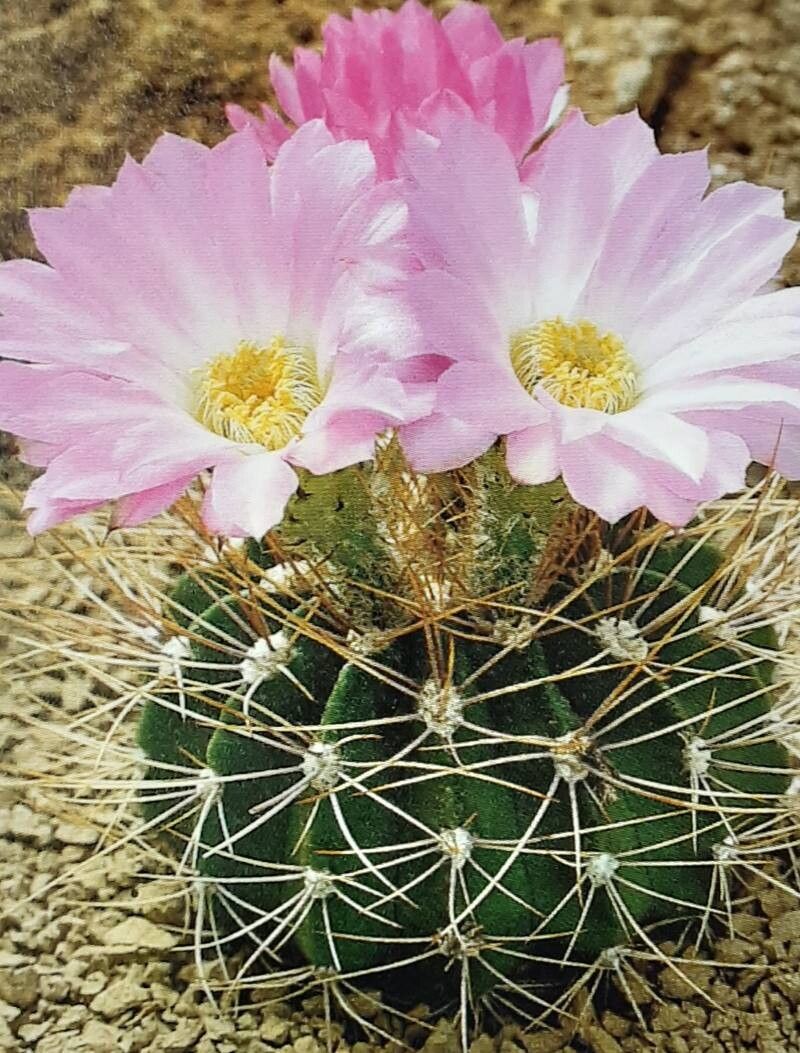
Propagating Acanthocalycium spiniflorum: A Guide for the Determined Cultivator
Acanthocalycium spiniflorum, commonly known as the hedgehog cactus, is a captivating succulent prized for its robust, spiny body and attractive, usually yellow or orange, flowers. Its relative ease of care contributes to its popularity among cactus enthusiasts, yet propagation presents unique challenges. This article explores different methods, weighing their rewards and difficulties.
Seed Germination:
Seed germination is a viable method for propagating Acanthocalycium spiniflorum, but it demands patience and precision. The primary challenge lies in achieving consistent germination rates. Seeds are relatively small and require specific conditions to sprout.
Challenges: Low germination rates are common unless optimal conditions are carefully maintained. Seed-borne diseases can also hinder success.
Tips: Sow seeds in a well-draining cactus and succulent potting mix, avoiding overwatering. Maintain a consistently warm temperature (around 20-25°C) and high humidity (using a humidity dome or propagator). Stratification (a period of cold treatment) is generally not required for this species. Ensure ample light, but avoid direct, intense sunlight. Sterilizing the sowing medium helps to prevent fungal diseases.
Rewards: Seed propagation offers the greatest genetic diversity, resulting in a wider range of plant characteristics. It also provides a means for large-scale propagation if successful.
Cuttings:
Cuttings are generally not a reliable method for propagating Acanthocalycium spiniflorum. This cactus does not readily produce offsets or stems suitable for vegetative propagation. Attempts to root stem cuttings are likely to result in rotting before callusing and root formation.
Division:
Division is a viable method but limited to established, mature plants that have produced naturally offsetting pups at their base.
Challenges: This method depends on the plant’s natural tendency to offset, which isn’t always guaranteed. Dividing the plant requires care to avoid damage to the parent plant and offsets. Improper handling can lead to rot.
Tips: Carefully separate offsets from the mother plant with a sharp, sterile knife. Ensure each offset has a sufficient root system or a section of stem to facilitate rooting. Allow the cut surfaces to callus over for a few days before planting in well-draining soil.
Rewards: Division offers a quicker route to propagation than seed germination, and the resulting plants are genetically identical to the parent.
Tissue Culture:
Tissue culture offers a potentially high-yield method for propagating Acanthocalycium spiniflorum. However, it requires specialized equipment, aseptic techniques, and a considerable understanding of plant tissue culture methodologies. This is not a suitable option for the home propagator.
Challenges: This method requires specialized knowledge, laboratory equipment, and sterile environments to prevent contamination. The initial investment in equipment and materials can be significant.
Tips: This is best left to professional labs or highly experienced enthusiasts with the necessary resources. Specialized media and growth hormones are necessary for success.
Rewards: Tissue culture allows for mass propagation of genetically uniform plants, which is extremely beneficial for commercial cultivation.
Conclusion:
While propagating Acanthocalycium spiniflorum presents challenges, the rewards are well worth the effort. Seed germination offers the ultimate satisfaction of growing a plant from scratch, highlighting the genetic variety within the species, although patience and attention to detail are crucial. Division provides a relatively quick method for expanding a collection from an established plant. The difficulties involved only serve to enhance the sense of accomplishment when successful. Don’t be discouraged by initial setbacks; continued experimentation and observation will lead to mastery of this fascinating plant’s propagation. Enjoy the journey!