Propagating Acantholimon lycopodioides: A Challenge Worth Embracing
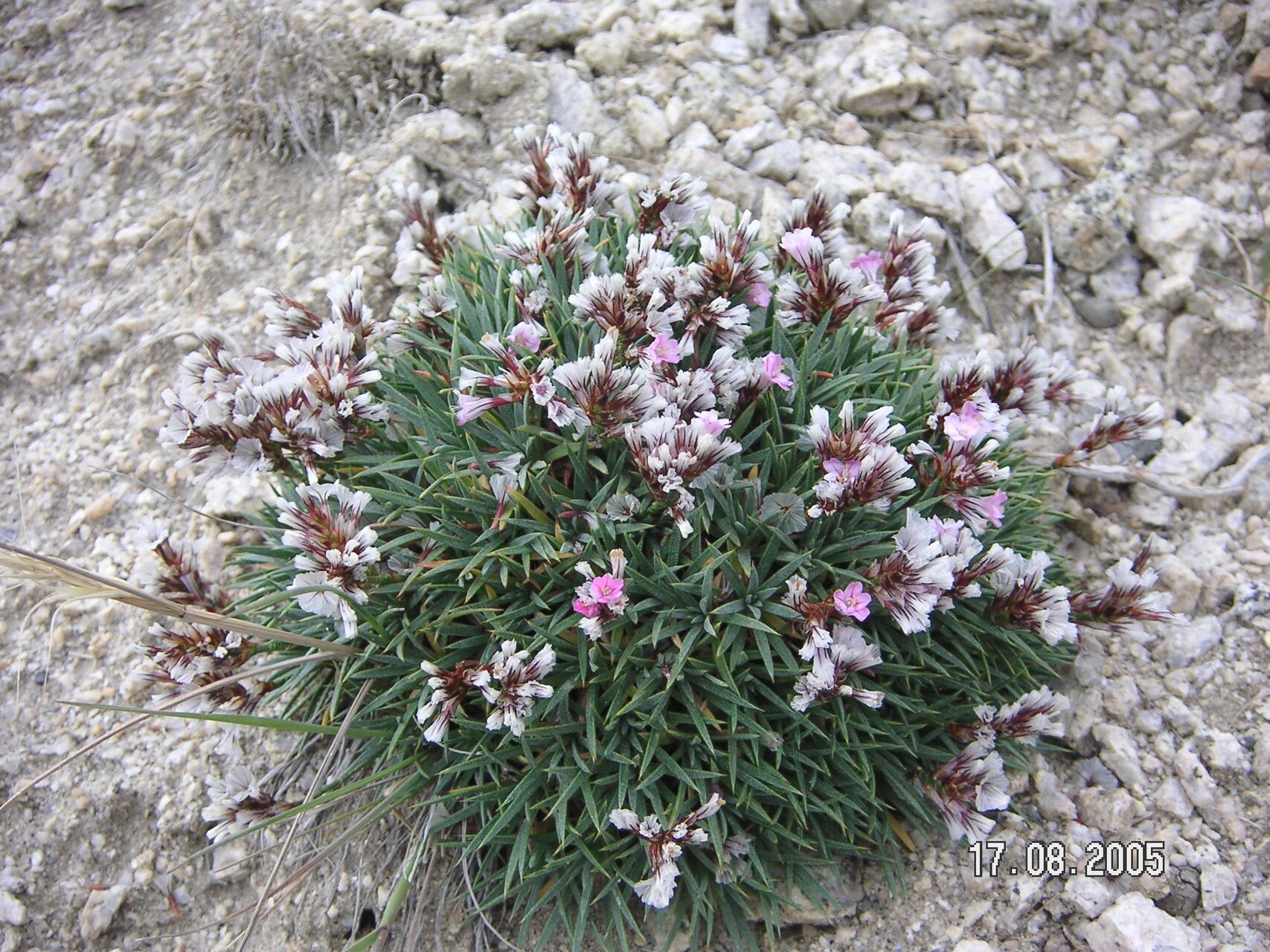
Acantholimon lycopodioides, commonly known as the lycopodium-like acantholimon, is a captivating plant prized for its dense, cushion-like habit and delicate, needle-like foliage. This drought-tolerant perennial, native to rocky areas of the Mediterranean region, adds a unique textural element to rock gardens, alpine houses, and even container plantings. Its popularity among gardeners, however, is often tempered by the challenges associated with its propagation. Let’s explore the various methods available.
Seed Germination:
Currently, there are no known reliable methods for seed germination propagation of Acantholimon lycopodioides. While seeds may be produced, germination rates are notoriously low, even under optimal conditions. The hard seed coat and potential dormancy mechanisms appear to hinder successful germination. Further research into specific stratification techniques or pre-treatment methods might be warranted to unlock the potential of seed propagation, offering a route to greater genetic diversity in cultivated plants.
Cuttings:
Cuttings offer a more promising avenue for propagating Acantholimon lycopodioides. The challenges lie in achieving successful rooting.
- Challenges: The woody nature of the stems makes rooting difficult. The plant also has a tendency to be susceptible to fungal diseases if cuttings aren’t kept extremely clean and dry.
- Practical Tips: Semi-hardwood cuttings taken in late summer or early autumn, using a sharp, sterile blade, offer the best chance of success. The cuttings should be at least 5-7cm long, with lower leaves removed to minimize water loss. Rooting hormone can improve success rates, and a well-draining propagation mix (e.g., perlite, vermiculite, and peat moss) is crucial. High humidity and a bright but indirect light source are also essential. Bottom heat can stimulate root development.
- Rewards: Successfully rooted cuttings allow for a reliable method of propagating specific desirable traits from a parent plant. This method is faster than division and avoids the uncertainties of seed germination.
Division:
Division is another feasible, albeit limited, propagation method for Acantholimon lycopodioides.
- Challenges: Due to the plant’s compact, cushion-like growth habit, division opportunities may be infrequent and restricted to mature plants. Dividing the plant too aggressively can significantly damage it and decrease the survival rate of the divisions.
- Practical Tips: Division should be carried out during the spring or early autumn, when the plant is actively growing but not under extreme heat stress. The plant should be carefully dug up, and the root ball gently separated into smaller sections, each with sufficient roots and foliage. Replanting needs to be done promptly, and care must be taken to ensure adequate drainage.
- Rewards: Division provides a relatively quick way to increase the number of plants, but it’s inherently limited by the size and health of the mother plant.
Tissue Culture:
Tissue culture propagation, though technically possible, is usually reserved for large-scale commercial production or specific research purposes. It is not a practical approach for a home gardener attempting to propagate just a few plants.
- Challenges: Establishing sterile conditions and maintaining aseptic cultures requires specialized equipment, media, and considerable expertise, exceeding the resources available for most home propagators. The process also demands significant time and investment.
- Practical Tips: If undertaking tissue culture, consult established protocols for similar species, employing appropriate sterilization methods and growth media formulations.
- Rewards: Rapid clonal multiplication and disease-free plants are major benefits of tissue culture.
Conclusion:
Propagating Acantholimon lycopodioides presents unique challenges, primarily related to its rooting characteristics and the limitations inherent in seed and division methods. While seed germination currently appears unviable, cuttings offer the most practical approach for the home gardener. Successfully propagating this fascinating plant requires patience, attention to detail, and a meticulous approach to hygiene and moisture management. However, the hard-won success of producing new plants from cuttings or division, and the witnessing of their slow but steady growth, provide a uniquely rewarding experience that underscores the horticultural satisfaction of overcoming a challenging propagation project. Don’t be discouraged; embark on the journey, embrace the learning process, and savor the beauty of this unique Mediterranean treasure.