
Propagating Acantholimon scorpius: A Thorny but Rewarding Endeavor
Introduction:
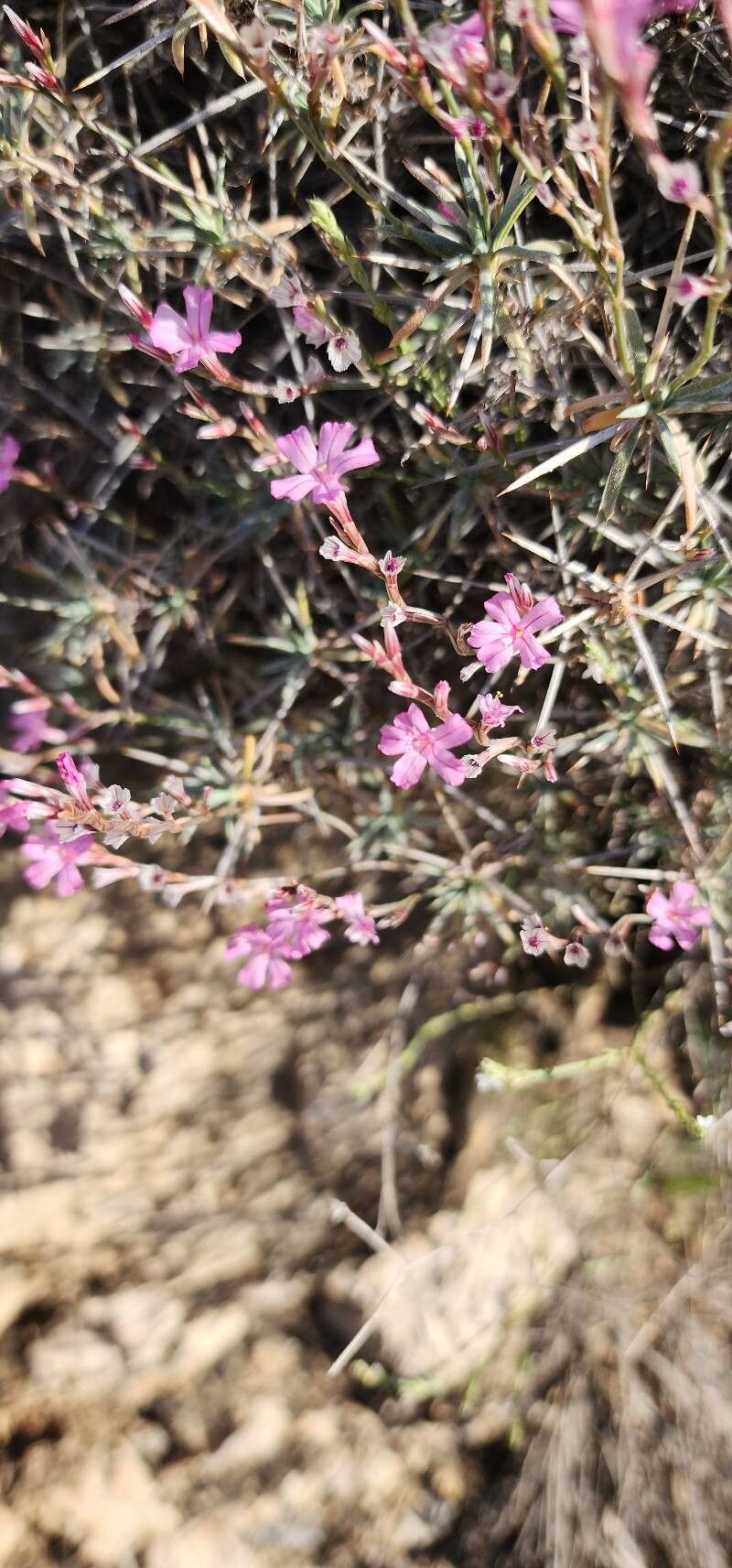
Acantholimon scorpius, commonly known as the spiny thrift or scorpion thrift, is a captivating low-growing, evergreen shrub native to mountainous regions. Its densely packed, needle-like leaves, and striking, spiky flower spikes bearing delicate pink or lilac blooms make it a prized addition to rock gardens, alpine houses, and containers. Its drought tolerance and unique appearance have made it increasingly popular among gardeners, although its propagation presents certain challenges. Successfully propagating this plant offers a considerable sense of accomplishment.
Seed Germination:
Currently, there are no known reliable methods for seed germination propagation of Acantholimon scorpius. While seeds may be produced, their germination rate is notoriously low, and successful germination under cultivation remains undocumented. The challenges likely involve dormancy mechanisms within the seed coat that are not easily overcome by standard horticultural techniques. Further research into seed treatment and germination protocols is needed.
Cuttings:
Cuttings offer a more promising method for propagating Acantholimon scorpius. However, success requires precision and patience.
Challenges: The woody nature of the stems makes rooting difficult. The plant’s susceptibility to fungal diseases following propagation increases the risk of failure.
Tips: Semi-hardwood cuttings taken in late summer or early autumn show the best results. Use a sharp knife or scalpel to take 8-10cm cuttings, removing lower leaves to prevent rot. Dip the cut ends in rooting hormone powder before planting in a well-draining mix (e.g., 50/50 perlite and peat moss) in a humidity-controlled environment (propagator with bottom heat is ideal). Maintain consistent moisture but avoid waterlogging. Rooting may take several weeks or even months.
Rewards: Genetically identical plants to the parent plant are produced, preserving desirable traits. This approach is suitable for medium-scale propagation.
Division:
Division is another potentially viable method, though it’s limited by the plant’s size and growth habit.
Challenges: Acantholimon scorpius does not readily produce large clumps suitable for division. Disturbing the root system can damage the plant, reducing its chances of survival.
Tips: Division should ideally be attempted in spring or early autumn when the plant is actively growing. Carefully dig up the entire plant and gently separate it into smaller sections, ensuring each division possesses a healthy root system and sufficient shoots. Plant the divisions immediately in well-drained soil.
Rewards: Relatively quicker establishment compared to cuttings, allowing some degree of larger-scale increases, especially if larger clumps are available.
Tissue Culture:
Tissue culture offers the potential for large-scale propagation, though it requires specialized equipment and knowledge.
Challenges: The establishment of aseptic cultures and effective multiplication protocols will require significant research and expertise. This method also carries relatively higher initial costs.
Tips: This is mostly outside the purview of the home gardener and is best left to professionals with access to a tissue culture laboratory.
Rewards: Large-scale rapid propagation of disease-free plants.
Conclusion:
Propagating Acantholimon scorpius presents several hurdles. Seed germination appears currently impractical, while cuttings and division offer more attainable success at a smaller scale; tissue culture is needed for large scale production. Patience, attention to detail, and a suitable propagation environment are crucial for success. However, the unique beauty of this spiny thrift and the considerable sense of accomplishment derived from cultivating it from a cutting or division make the effort undeniably rewarding. Don’t be discouraged by initial setbacks – persistence and careful observation will significantly increase your chances of successfully propagating this challenging but magnificent plant.
