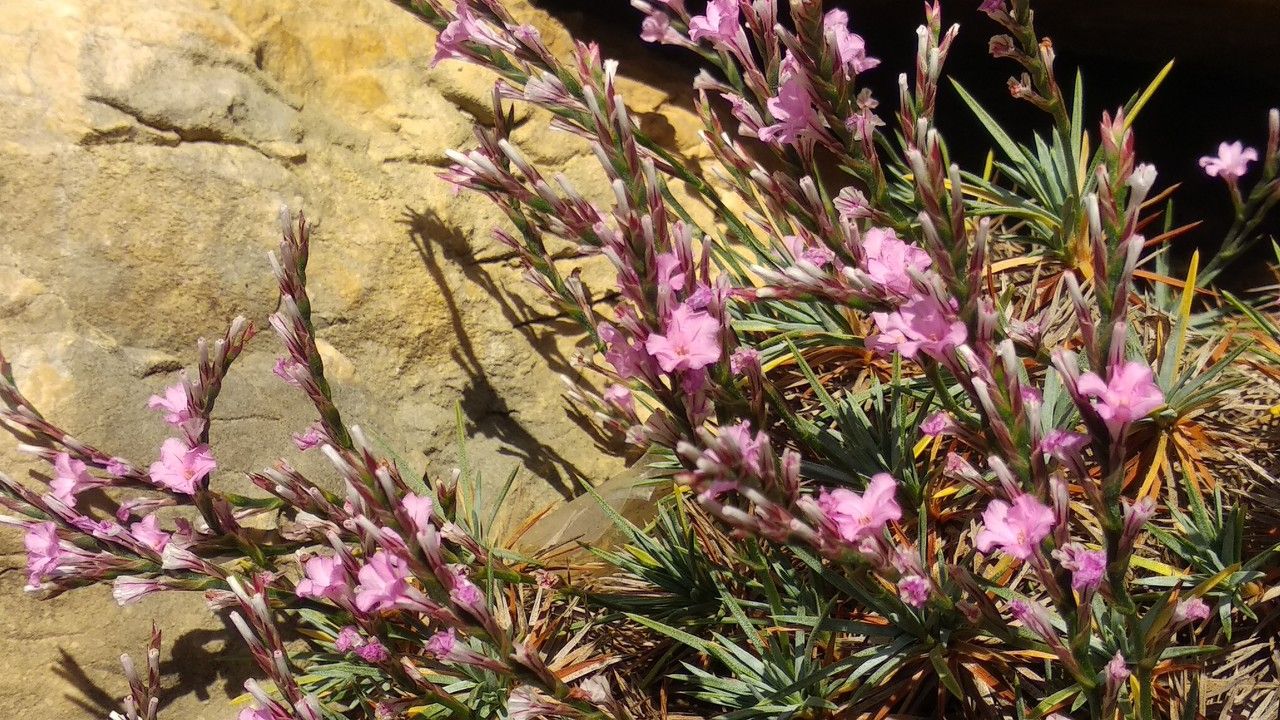
How to Propagate Acantholimon spirizianum

Propagating Acantholimon spirizianum: A Gardener’s Challenge

Acantholimon spirizianum, also known as the spiral spiny thrift, is a captivating plant prized for its unique, spiraling inflorescences and exceptional drought tolerance. Its silvery-grey foliage and delicate, spiky flowers make it a highly sought-after addition to rock gardens, alpine gardens, and other xeriscaping designs. However, its propagation presents unique challenges, making success all the more rewarding for the dedicated gardener.

Seed Germination:

Currently, there are no known reliable methods for seed germination propagation of Acantholimon spirizianum. While seed production occurs, germination rates are notoriously low, likely due to a complex dormancy mechanism not yet fully understood. Research into specific stratification techniques or hormonal treatments might be fruitful in future attempts at seed propagation, opening the door to increased genetic diversity.

Cuttings:

Cuttings offer a more promising method for propagating Acantholimon spirizianum.

Challenges: The success of cuttings depends heavily on timing and technique. Hardwood cuttings taken in late autumn or early winter, before active growth resumes, seem to show the highest success rate. The plant’s somewhat woody nature and predisposition to desiccation increase the difficulty.

Practical Tips: Use a sharp knife or shears to take semi-hardwood cuttings, ensuring a clean cut. Remove lower leaves to prevent rot, dip the base in rooting hormone, and plant in a well-draining mix (e.g., a gritty perlite and peat moss blend). Maintain high humidity using a propagation dome or plastic bag. A bottom-heat propagation mat can improve rooting success.

Rewards: Successful propagation via cuttings offers a relatively quick and reliable way to increase the number of plants and ensures that the offspring are genetically identical to the parent plant.

Division:

Division is a possibility, though often limited.

Challenges: The relatively small size and compact root system of established Acantholimon spirizianum plants restrict the potential for division. Dividing the plant too aggressively can result in the death of both parent plant and divisions.

Practical Tips: Division is best attempted during the dormant period, carefully separating established clumps into smaller sections, ensuring each section possesses a significant amount of roots and healthy foliage.

Rewards: Division is the most straightforward of feasible options, requiring minimal specialist equipment, offering a reliable way to propagate existing plants.

Tissue Culture:

This method has not been widely explored for Acantholimon spirizianum.

Challenges: Establishing a sterile tissue culture protocol for this species would require considerable expertise and resource investment, including specialized laboratory equipment and a deep understanding of plant tissue culture techniques and sterilisation processes specific to the genus.

Practical Tips: Researching existing tissue culture protocols for similar species in the Plumbaginaceae family could provide a starting point for developing a methodology.

Rewards: Tissue culture offers the greatest potential for large-scale propagation and the production of disease-free plants.

Conclusion:

Propagating Acantholimon spirizianum presents unique challenges. While seed germination remains unreliable at present, cuttings offer a practical pathway to increasing plant numbers. Division is a possibility though limited by the plant’s size, and tissue culture holds the biggest potential but involves substantial specialized knowledge and equipment. The difficulty of propagation adds to the satisfaction of successfully cultivating this striking plant. The rewards – whether it’s the thrill of overcoming propagation hurdles or the beauty of seeing these unique plants flourish in your garden – make the effort worthwhile. Don’t be discouraged by initial setbacks; perseverance and careful attention to detail are key to success. Remember to prioritize creating suitable conditions for proper drainage, avoiding overwatering, and offering full sun. Happy propagating!
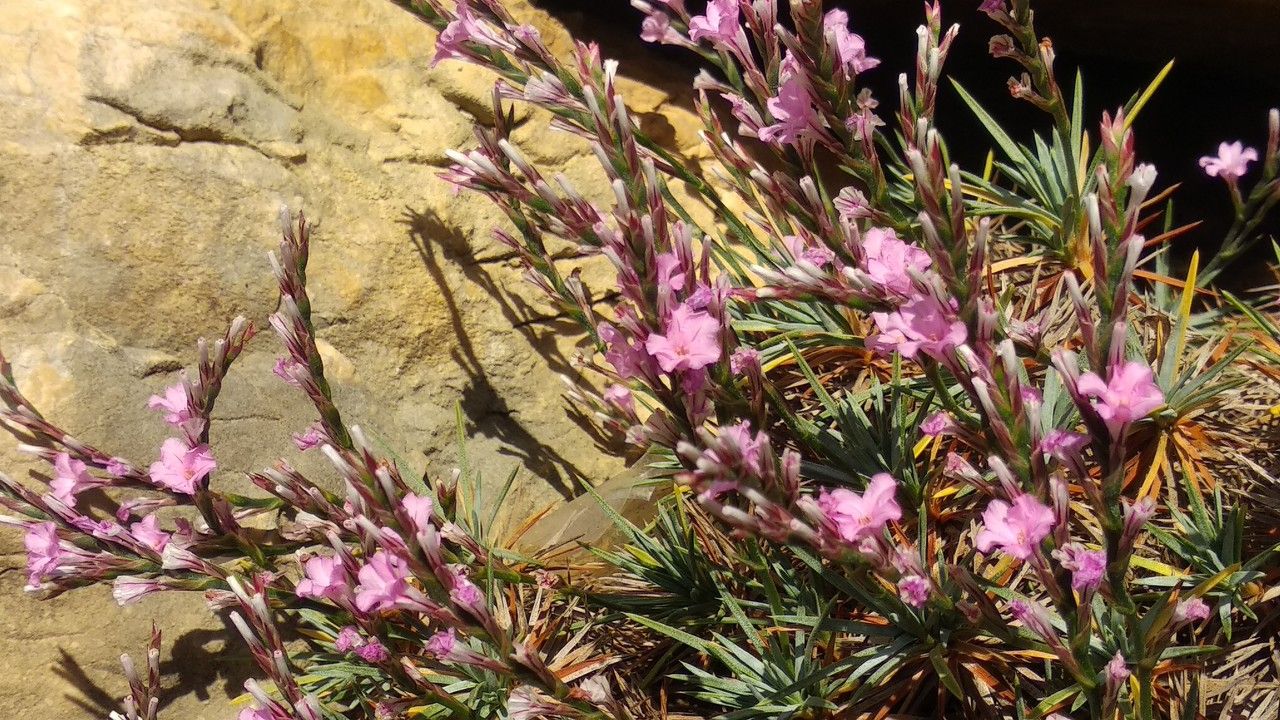
How to Propagate Acantholimon spirizianum

From Seed to Success: Propagating the Spikey Beauty of Acantholimon spirizianum

Acantholimon spirizianum, with its delicate lavender blooms atop spiky foliage, is a captivating addition to the garden. But what if you could share this beauty with others, or simply expand your own collection? The answer lies in the magic of propagation.

This guide will walk you through the process of propagating Acantholimon spirizianum, from seed to cutting, so you can enjoy the thrill of growing this unique plant from scratch.

From Seed to Sprout: A New Beginning

  • Collecting Seeds: The most common method for propagating Acantholimon spirizianum is through seeds. These tiny treasures can be harvested from mature seedpods after the flowers have faded. Look for the seedpods turning brown and slightly dry, indicating ripeness.
  • Sowing Time: Sow the seeds as soon as they are harvested or store them in a cool, dry place for planting in spring. Acantholimon spirizianum prefers cool temperatures, so spring sowing allows for optimal germination.
  • Preparing the Seedbed: Use a seed tray filled with a well-draining seed-starting mix. Lightly sprinkle the seeds on the surface, ensuring they are spaced out and don’t become overcrowded.
  • Germination Conditions: Cover the seeds with a thin layer of seed compost, and water gently. Maintain a consistent moisture level and ensure the soil is not too wet. A temperature of around 60-70°F encourages germination, which can take several weeks.

Patience is a Virtue: The Seedling Stage

  • Thinning and Transplanting: Once the seedlings have developed two true leaves, it’s time to thin out the weaker ones, leaving only the strongest. This allows for healthy growth. When the seedlings are about 2-3 inches tall, they can be transplanted into individual pots with a well-draining potting mix.

Creating New Plants: From Cuttings to Rooted Wonders

  • Timing is Key: The best time to take cuttings is in the spring or early summer when the plant is actively growing.
  • The Art of Cutting: Select healthy, non-flowering stems with several nodes (the points where leaves grow). Cut the stem below a node at a 45-degree angle, using a sharp knife or scissors.
  • Rooting Hormone: Dip the cut end of the stem in a rooting hormone powder to encourage root development.
  • Planting the Cuttings: Fill a pot with a well-draining potting mix. Make a small hole in the mixture and insert the cutting, ensuring at least one node is buried.
  • The Waiting Game: Keep the cutting moist by misting it regularly and placing a clear plastic bag over the pot to create a mini-greenhouse effect. This helps to retain humidity and encourage root formation. Depending on the conditions, rooting can take anywhere from a few weeks to a couple of months.

Success is in Sight: Caring for Your Newly Propagated Plants

  • Hardening Off: Once the cuttings have developed roots, you can start to harden them off. This involves gradually exposing them to cooler temperatures and more sunlight for a few weeks before planting them outdoors.
  • Planting Outdoors: Plant the seedlings or cuttings outdoors in a sunny spot with well-draining soil. Water them regularly until established, being careful not to overwater.

Tips for Success

  • Water Wisely: Acantholimon spirizianum prefers well-drained soil and dislikes sitting in water. Ensure the soil is dry between watering.
  • Sun Seeker: Provide a sunny location with at least 6 hours of direct sunlight per day.
  • Protection: Protect the plants from harsh winter frosts. Mulching around the base can provide insulation.

Patience and Care: Reward of Propagation

While propagation can take time, the reward is immense – new, vibrant Acantholimon spirizianum plants adding life to the garden. Watch as these spiky beauties reward you with their resilience and beauty, and feel the satisfaction of cultivating new life with your own hands. Now, armed with this knowledge, you can confidently face the journey from seed to success with Acantholimon spirizianum.