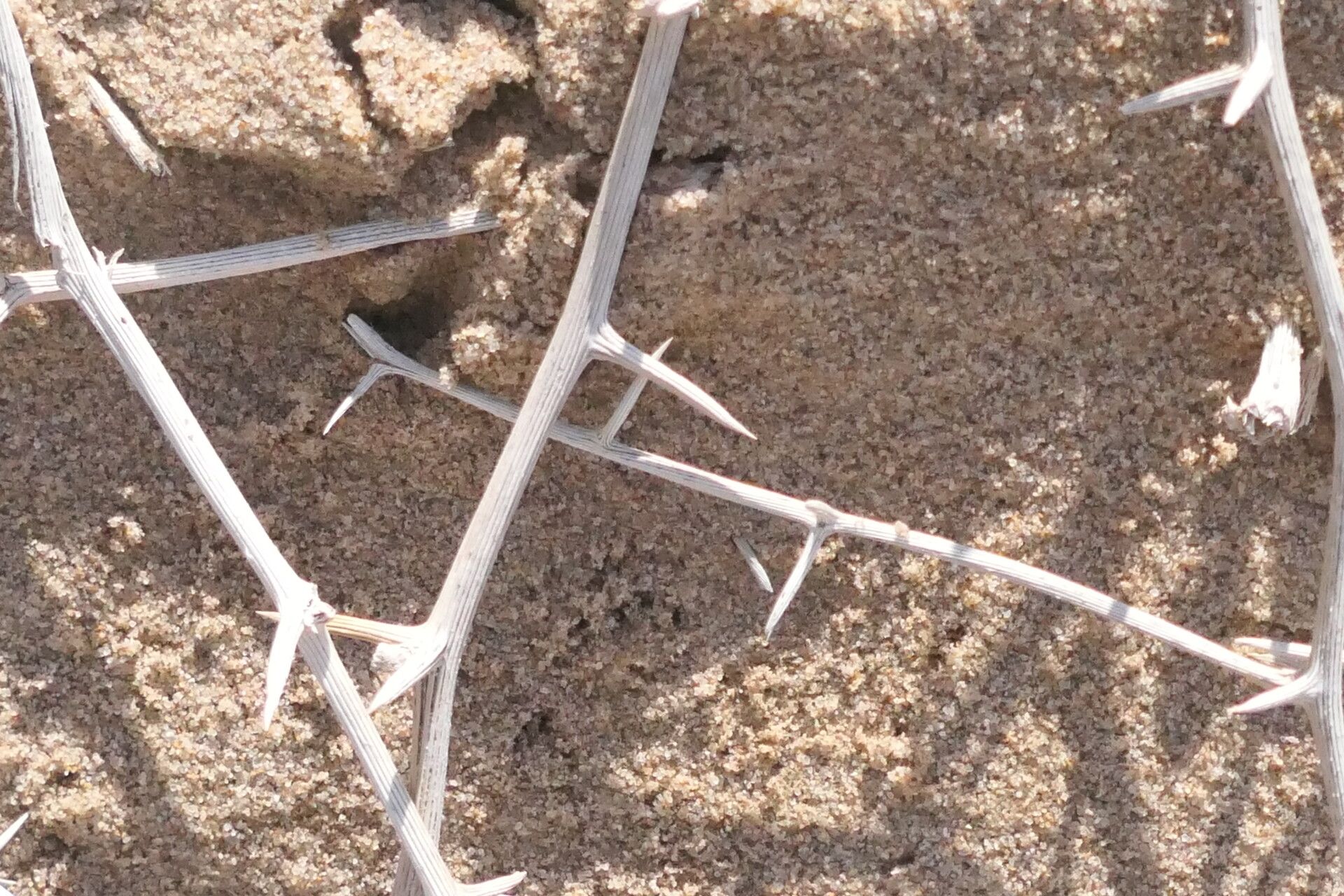
Propagating the Narra: Unveiling the Secrets of Acanthosicyos horridus
Acanthosicyos horridus, commonly known as the Nara or Narra, is a fascinating and challenging plant to cultivate. This spiny, creeping cucurbit native to the Namib Desert boasts unique adaptations to survive extreme arid conditions, making it a highly sought-after addition to succulent collections and arid-climate gardens. Its unusual appearance, coupled with its intriguing biology, contributes to its popularity among adventurous gardeners despite its propagation difficulties. The Nara’s propagation presents several unique hurdles, making success a truly rewarding accomplishment.
Seed Germination:
Currently, there are no known reliable methods for seed germination propagation of Acanthosicyos horridus. While seeds can be obtained, germination rates are exceptionally low, likely due to the plant’s specialized adaptations for germination in its natural, unpredictable environment. Further research into specific germination requirements, including potential scarification techniques or mimicking the natural conditions of its habitat (such as extreme temperature fluctuations), is needed to develop a reliable seed propagation method.
Cuttings:
Propagating Acanthosicyos horridus from cuttings presents a more promising avenue, albeit still challenging.
Challenges: The plant’s thick, woody stems are not easily rooted. The high risk of fungal infections in the cutting due to the arid-adapted nature of the plant adds further complexity.
Practical Tips: Semi-hardwood cuttings taken in spring or early summer, treated with a rooting hormone and planted in well-draining cactus and succulent potting mix, offer the best chance of success. High humidity and bottom heat can increase rooting rates. Maintaining excellent drainage is crucial to prevent rot.
Rewards: Cuttings offer a faster propagation method than other techniques if successful, allowing for a quicker increase in plant numbers. However, it must be noted that vegetative propagation limits genetic diversity.
Division:
Division of established Acanthosicyos horridus plants is possible but not frequently employed.
Challenges: The plant’s extensive, interconnected root system makes careful division crucial to avoid damaging the plant. Each division must have a significant portion of established root system for successful establishment.
Practical Tips: Division is best undertaken during the plant’s active growing season, ensuring each division possesses sufficient roots and stem length. Sterilizing cutting tools and treating cut surfaces with a fungicide can minimise the risk of infection. Newly divided plants should be handled gently and provided ample time to establish new roots in the desired location.
Rewards: Division offers a slightly quicker propagation method when compared to cuttings, while preserving the exact genetic characteristics of the mother plant.
Tissue Culture:
Tissue culture offers a potentially high-reward, high-risk approach to Acanthosicyos horridus propagation.
Challenges: Developing a reliable tissue culture protocol for Acanthosicyos horridus requires specialized knowledge and equipment. Sterile conditions and specific nutrient media compositions are critical for successful propagation. Finding the correct hormone concentrations to stimulate growth and rooting is another significant hurdle.
Practical Tips: This propagation method should ideally be conducted in a professional laboratory setting with the experience to handle the propagation of this particular plant.
Rewards: Tissue culture, if successful, would allow for large-scale propagation and the production of disease-free plantlets, significantly increasing the availability of this rare and desirable plant.
Conclusion:
Propagating Acanthosicyos horridus presents unique challenges across all methods. While seed propagation currently shows no reliable results, cuttings and division provide viable, albeit difficult, alternatives for experienced succulent enthusiasts. Tissue culture holds the greatest potential for large-scale propagation but requires specialized expertise and resources. The rewards, however, are significant. Successfully nurturing a Narra from a cutting, division or – someday, hopefully – seed is a testament to dedication and skill, offering a profound sense of accomplishment. Don’t be discouraged by the challenges; the unique beauty and resilience of this desert dweller make the journey worthwhile for persistent propagators. Remember, patience and careful observation are essential to unlocking the secrets of successful Narra propagation.