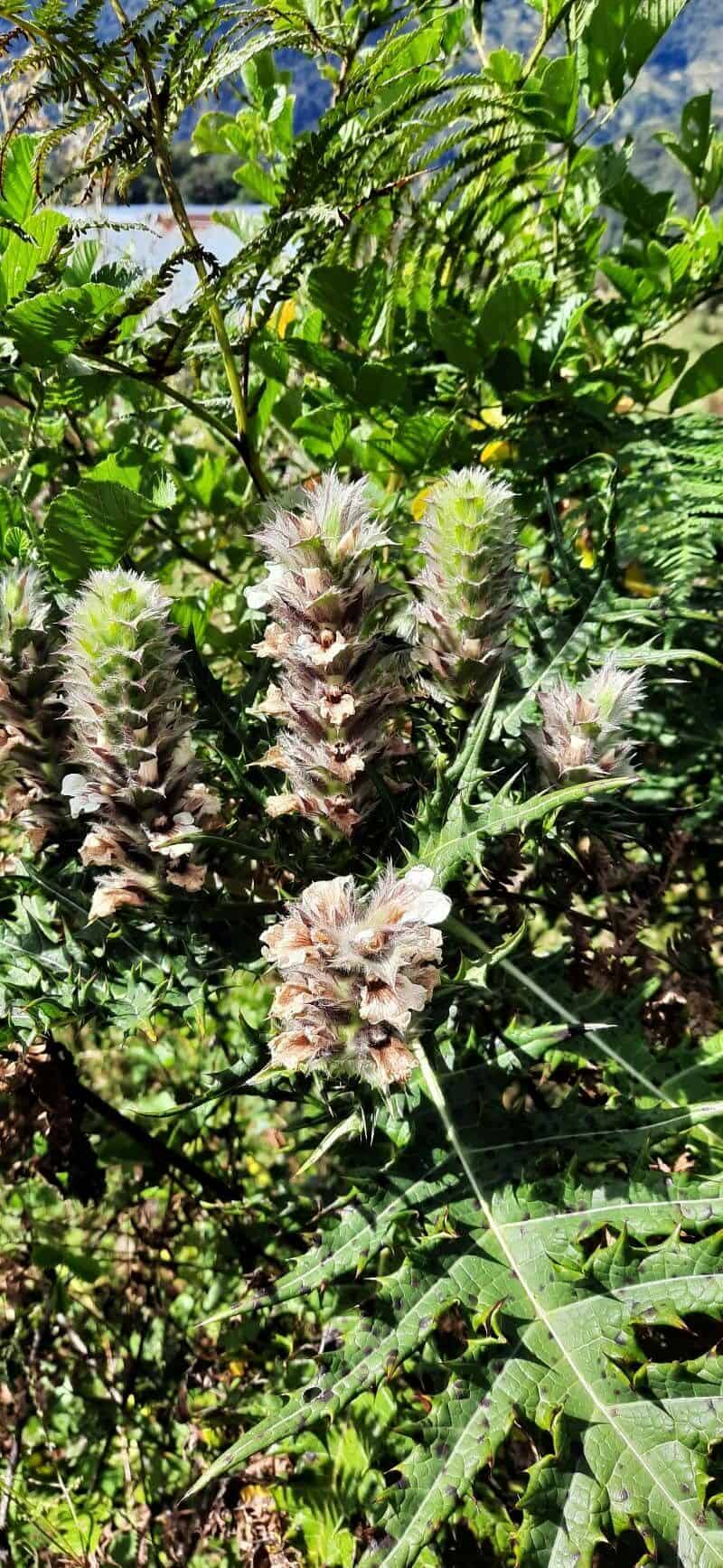
Propagating Acanthus carduaceus: Challenges and Rewards of Cultivating the Thistle-Leaved Acanthus
Introduction
Acanthus carduaceus, commonly known as the thistle-leaved acanthus, is a striking architectural plant prized for its dramatic, deeply lobed, thistle-like leaves and imposing flower spikes. Native to the Mediterranean region, its bold foliage and stately presence make it a popular choice among gardeners seeking a statement plant for borders, containers, or as a backdrop in naturalistic plantings. However, its propagation, while achievable, presents certain challenges, making successful cultivation particularly rewarding. This article explores various propagation methods for Acanthus carduaceus, weighing their advantages and difficulties.
Seed Germination
Currently, there are no known reliable methods for seed germination propagation of Acanthus carduaceus. While the plant does produce seeds, their germination rate is notoriously low, and success has not been widely documented. Further research is needed to determine if specific pre-treatments, such as scarification or stratification, might improve germination success.
Cuttings
- Viability: Propagating Acanthus carduaceus from stem cuttings is a more reliable method than seed germination.
- Challenges: Success depends heavily on timing and technique. Semi-hardwood cuttings taken in late summer or early autumn generally yield the best results. Cuttings should be taken from healthy, non-flowering stems, about 4-6 inches long. The lower leaves should be removed to prevent rot.
- Tips: Dip the cut ends in rooting hormone before planting in a well-draining propagating mix, kept consistently moist but not waterlogged. High humidity, achieved using a propagator or plastic bag, significantly increases success rates.
- Rewards: Cuttings offer a relatively quick and easy way to obtain genetically identical plants to the mother plant, preserving desirable characteristics.
Division
- Viability: Division is a highly effective method for propagating established Acanthus carduaceus plants.
- Challenges: This method is only viable for mature plants with well-developed root systems. Division should be undertaken during the dormant period (late autumn or early spring) to minimize stress on the plant. Care must be taken to avoid damaging the roots during separation.
- Tips: Carefully dig up the clump, gently separate the root divisions ensuring each section has healthy roots and sufficient foliage. Replant immediately in well-prepared soil providing adequate spacing.
- Rewards: Division allows for rapid increase in the number of plants, particularly useful for larger-scale landscaping projects. It’s a low-tech, readily accessible method.
Tissue Culture
- Viability: Tissue culture offers the potential for large-scale propagation of Acanthus carduaceus, producing numerous genetically identical plants in a sterile environment.
- Challenges: This method requires specialized equipment, a controlled environment, and expertise in plant tissue culture techniques. It is not a method readily accessible to the home gardener. Developing suitable protocols for Acanthus carduaceus might require experimentation.
- Tips: Successful tissue culture requires optimized media composition, growth regulators, and sterile procedures to prevent contamination.
- Rewards: Large-scale propagation, disease-free plants, and the possibility of genetic improvement are all potential benefits.
Conclusion
Propagating Acanthus carduaceus presents unique challenges, with seed propagation proving unreliable. Cuttings and division remain the most accessible and practical methods for the home gardener, offering a satisfying alternative. While tissue culture provides potential for mass production, its technical demands place it beyond the reach of most amateurs. The rewards of successfully cultivating this magnificent plant, however, are substantial. The satisfaction of nurturing a cutting into a mature specimen, or dividing a robust clump into several thriving plants, makes the effort worthwhile. For aspiring propagators, patience, attention to detail, and a willingness to experiment will greatly improve chances of success. Embrace the challenges, learn from setbacks, and savor the unique accomplishment of cultivating this rewarding architectural plant.