
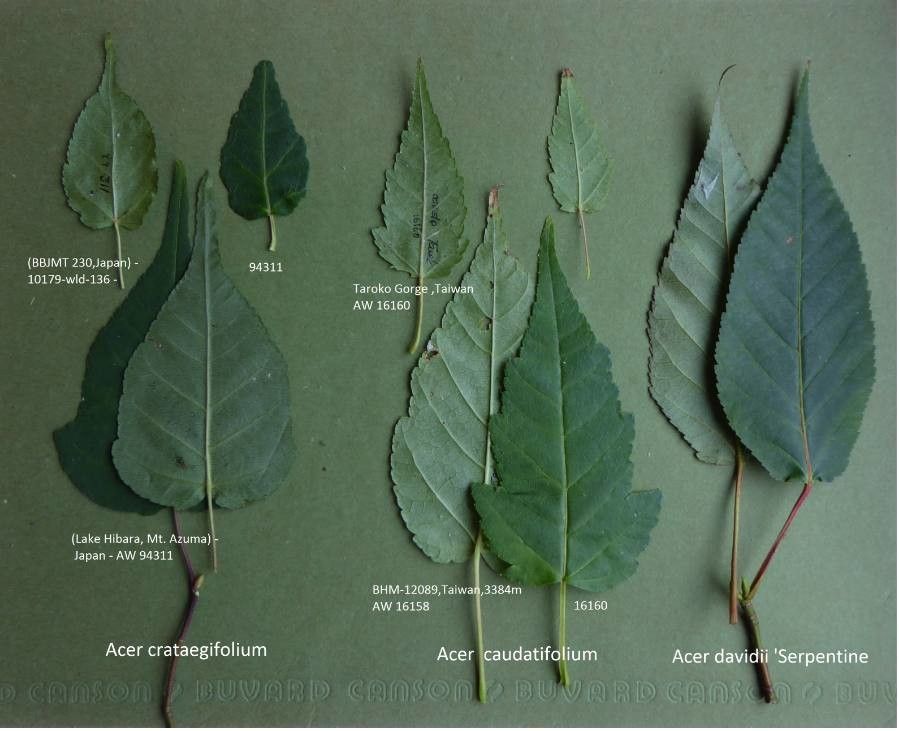
Propagating the Long-tailed Maple: A Gardener’s Guide to Acer caudatifolium
Introduction:
Acer caudatifolium, commonly known as the Long-tailed Maple, is a captivating deciduous tree prized for its elegant, pendulous branches and striking autumnal foliage. Native to Japan, this maple boasts vibrant yellow, orange, and red hues in fall, making it a highly desirable addition to any garden, especially those seeking a unique specimen tree. Its relatively slow growth rate makes it suitable for smaller gardens, although given time, it can reach considerable height. Despite its beauty, propagating Acer caudatifolium presents certain challenges, making successful cultivation a rewarding experience for the dedicated gardener. The relative rarity of this maple in cultivation also contributes to its unique allure among plant enthusiasts.
Seed Germination:
Seed germination for Acer caudatifolium is possible but presents significant challenges. The seeds possess a hard seed coat and require a period of stratification – a process mimicking the natural winter conditions necessary to break dormancy.
Challenges: Low germination rates are common, and inconsistent success is frequently reported.
Tips: Collect seeds in autumn once they have fully matured and turned brown. Stratify seeds for at least three months, ideally longer (four to six months), at temperatures near 4°C (39°F) in a moist medium like vermiculite or peat moss. Sow stratified seeds in spring in well-draining soil, keeping the soil consistently moist but not waterlogged. Germination may take several months.
Rewards: Successfully germinated seedlings offer high genetic diversity, providing a wider range of potential cultivars. Seed propagation is also a cost-effective method, making it potentially appealing for large-scale propagation, although success is not guaranteed.
Cuttings:
Currently, there are no known reliable methods for propagation of Acer caudatifolium from cuttings. While some maples can be propagated through hardwood or softwood cuttings, the success rate with Acer caudatifolium remains very low to non-existent based on available horticultural literature and anecdotal evidence. Further research may yield viable techniques in the future.
Division:
Division is not a practical propagation method for Acer caudatifolium. This tree develops a single, deep taproot, making division difficult and often lethal to the plant.
Tissue Culture:
Tissue culture offers a possible, albeit sophisticated and specialized, approach to propagating Acer caudatifolium.
Challenges: Tissue culture requires specialized equipment, cleanroom conditions, and expertise in sterile techniques. Establishment and multiplication rates may vary depending on the specific protocols used. Cost can also be a significant factor.
Tips: This method would require the expertise of a plant tissue culture laboratory with experience in propagating woody plants.
Rewards: Tissue culture offers the potential for rapid multiplication, clonal propagation (producing genetically identical plants), and disease-free stock.
Challenges: High initial costs and specialized skill requirements prevent this from being a readily accessible method for the average home gardener.
Conclusion:
Propagating Acer caudatifolium presents unique challenges across multiple methods. While seed germination is possible but unpredictable, cuttings and division are currently not viable options. Tissue culture offers potential for large-scale and disease-free propagation but requires significant expertise and resources. The rewards, however, are substantial. Successfully cultivating this beautiful maple from seed or through tissue culture provides a deep sense of accomplishment, a testament to patience and dedication. The unique beauty and relative rarity of the Long-tailed Maple makes the journey worthwhile for those willing to embrace the challenges. For the aspiring propagator, beginning with seeds (with realistic expectations of low initial success), and perhaps exploring collaboration with a tissue culture laboratory, provides the best path forward. Remember to prioritize providing ideal conditions for the plants at each stage of development. The eventual flourishing of these beautiful trees is ample reward for your efforts.