
Propagating Achillea chrysocoma: A Gardener’s Guide
Introduction:
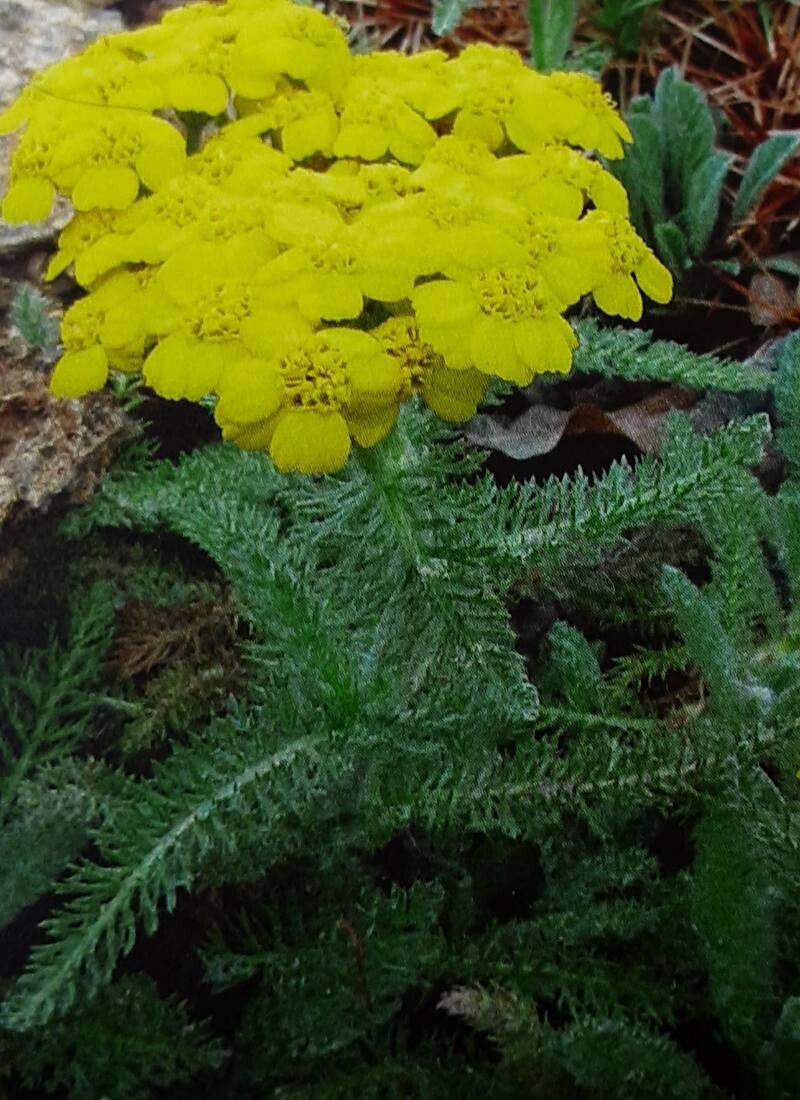
Achillea chrysocoma, commonly known as Golden Yarrow, is a captivating perennial prized for its vibrant, golden-yellow flower heads and feathery foliage. Its drought tolerance, ease of care, and long blooming period make it a favourite among gardeners, finding its place in borders, meadows, and rock gardens. While relatively easy to grow, its propagation presents some unique challenges and rewards. Understanding these nuances is key to successful cultivation and expanding your Golden Yarrow collection.
Seed Germination:
Currently, there are no known reliable methods for seed germination propagation of Achillea chrysocoma. While seeds may be produced, their germination rate is notoriously low, and successful seedling establishment is infrequent. The challenges likely stem from dormancy mechanisms within the seed that are not easily overcome by standard horticultural techniques.
Cuttings:
1. Challenges: Taking cuttings from Achillea chrysocoma can be moderately challenging. The success rate depends heavily on timing (early summer is ideal) and the quality of the cutting material. Hardwood cuttings are generally less successful than softwood or semi-hardwood cuttings taken from new growth.
2. Practical Tips: Take 4-6 inch cuttings from non-flowering stems, removing lower leaves to prevent rot. Dip the cut ends in rooting hormone powder to stimulate root development. Plant the cuttings in a well-draining, moist seed-starting mix, keeping them consistently humid under a propagator or plastic covering. Ensure adequate light, but avoid direct sunlight. Rooting typically takes 4-6 weeks.
3. Rewards: Successful propagation via cuttings offers a relatively quick method for producing genetically identical plantlets. This allows for preservation of desirable traits in specific cultivars.
Division:
1. Challenges: Division is arguably the easiest and most reliable method for propagating Achillea chrysocoma. However, mature plants are required, and care must be taken to avoid damaging the root system during division. The best time to divide is in spring or early autumn.
2. Practical Tips: Gently dig up the mature plant, carefully separating the root ball into smaller sections, each with healthy shoots and roots. Replant the divisions in well-prepared soil, ensuring adequate spacing for growth. Water thoroughly after planting.
3. Rewards: Division provides a quick and efficient method of increasing your stock, with a high success rate. It is a simpler and less technically demanding approach than other propagation methods.
Tissue Culture:
1. Challenges: Tissue culture propagation of Achillea chrysocoma, while potentially yielding large numbers of plants quickly, requires specialized equipment, a sterile environment, and significant expertise. This is a method generally undertaken by commercial growers or research laboratories rather than home gardeners.
2. Practical Tips: This method requires aseptic conditions, specific nutrient media, and a controlled environment. Sterile plant tissue is used as the explant, and it’s cultured in a controlled environment to generate multiple plantlets. This involves several specialized steps which should be performed by personnel sufficiently trained.
3. Rewards: Tissue culture offers a large-scale propagation potential and allows for the multiplication of disease-free plant material with a very high success rate given the correct set up.
Conclusion:
Propagating Achillea chrysocoma presents a spectrum of challenges and rewards depending on the chosen method. While seed propagation proves unreliable, cuttings and especially division offer viable options for the home gardener. Tissue culture provides a more complex albeit highly efficient method suitable for larger-scale production. Each method offers its unique advantages and disadvantages. The satisfaction of nurturing a tiny cutting into a robust plant or successfully dividing a mature clump into several thriving individuals outweighs the effort involved. For most home gardeners, the ease and reliability of division make it the favoured method. However, the challenge of successfully rooting cuttings is a rewarding experience for those looking to expand their propagation skills. Don’t be discouraged by initial setbacks. Experiment, learn from your successes and failures, and relish the journey of cultivating this beautiful golden perennial.