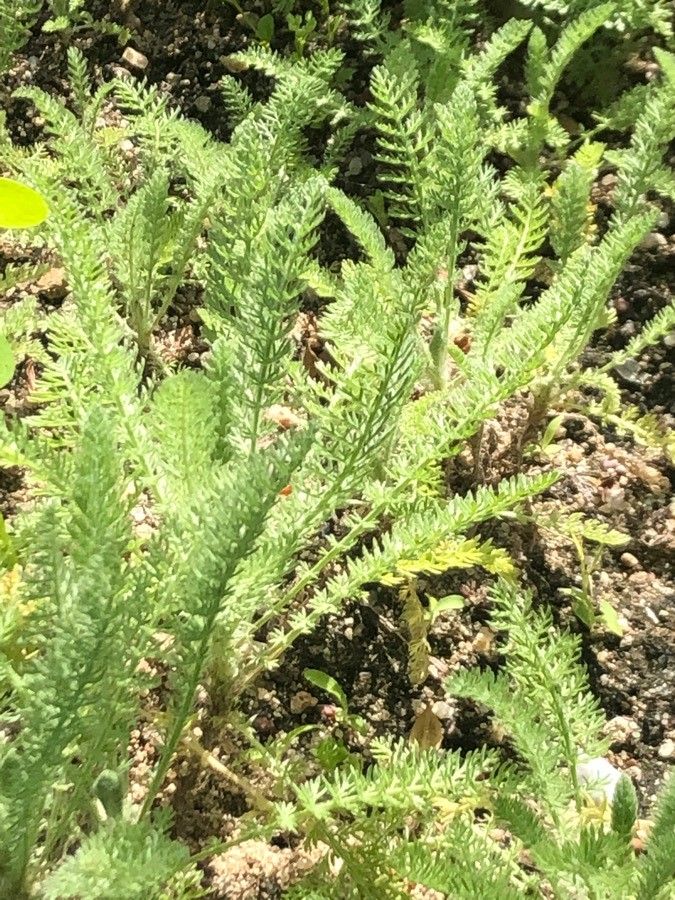
Propagating Achillea crithmifolia: A Coastal Challenge
Achillea crithmifolia, commonly known as sea wormwood or coastal yarrow, is a striking evergreen subshrub prized for its silvery-grey, aromatic foliage and small, yellow button-like flowers. Its tolerance to drought, salt spray, and poor soils makes it a popular choice for coastal gardens and rock gardens, adding a unique textural element to the landscape. Its propagation, however, presents some challenges, making successful cultivation all the more rewarding.
Seed Germination:
Currently, there are no known reliable methods for seed germination propagation of Achillea crithmifolia. While the plant produces seeds, their viability and germination rate are reportedly extremely low, rendering this method impractical for most gardeners.
Cuttings:
Cuttings offer a more reliable method of propagating Achillea crithmifolia.
Challenges: The success rate with cuttings is moderate. Hardwood cuttings taken in late autumn or early winter tend to root better than softwood cuttings taken in the growing season. However, even with optimal conditions, rooting can be slow and inconsistent.
Practical Tips: Take 8-10cm cuttings from mature, non-flowering stems. Remove lower leaves to prevent rot and dip the cut ends in rooting hormone before planting in a well-draining propagation mix (e.g., a blend of perlite and vermiculite). Maintain high humidity (using a propagator or plastic bag) and consistent moisture, but avoid overwatering. Patience is key; rooting may take several weeks or even months.
Rewards: Cuttings provide a genetically identical plant to the mother plant, preserving desirable traits. This method allows for relatively easy propagation of a known, healthy plant.
Division:
Division is a relatively successful method for propagating established Achillea crithmifolia plants.
Challenges: This method is only feasible for mature, well-established plants. Dividing too early can weaken the mother plant. Careful handling is required to avoid damaging the root system.
Practical Tips: The best time to divide is in spring or early autumn. Gently dig up the plant, carefully separating the root ball into smaller clumps, each with its own root system and several stems. Replant the divisions immediately in well-drained soil, ensuring ample spacing. Water thoroughly after planting.
Rewards: This is a relatively quick and efficient way to increase the number of your existing plants. It allows for easy sharing with other gardeners.
Tissue Culture:
Tissue culture is a potentially viable, albeit complex and specialized, method for propagating Achillea crithmifolia.
Challenges: This method requires specialized equipment, sterile laboratory conditions, and expertise in tissue culture techniques. It’s not a practical method for the home gardener.
Practical Tips: Sterile conditions are crucial throughout the entire process. Use appropriate media, hormones, and aseptic techniques. This method requires significant investment in equipment and training.
Rewards: Tissue culture offers the potential for rapid multiplication of plants and the eradication of diseases. It allows for large-scale propagation, particularly useful for commercial purposes.
Conclusion:
Propagating Achillea crithmifolia presents varying degrees of difficulty depending on the chosen method. While seed germination is currently unreliable, cuttings and division provide viable alternatives for the home gardener. Tissue culture offers a potentially high-volume option for commercial producers. The challenges involved, however, underscore the immense satisfaction derived from successfully cultivating this beautiful yet somewhat challenging plant. Remember patience, attention to detail, and the right techniques are key. Don’t be discouraged by setbacks – the unique beauty of Achillea crithmifolia makes the effort well worth it for any determined gardener.