
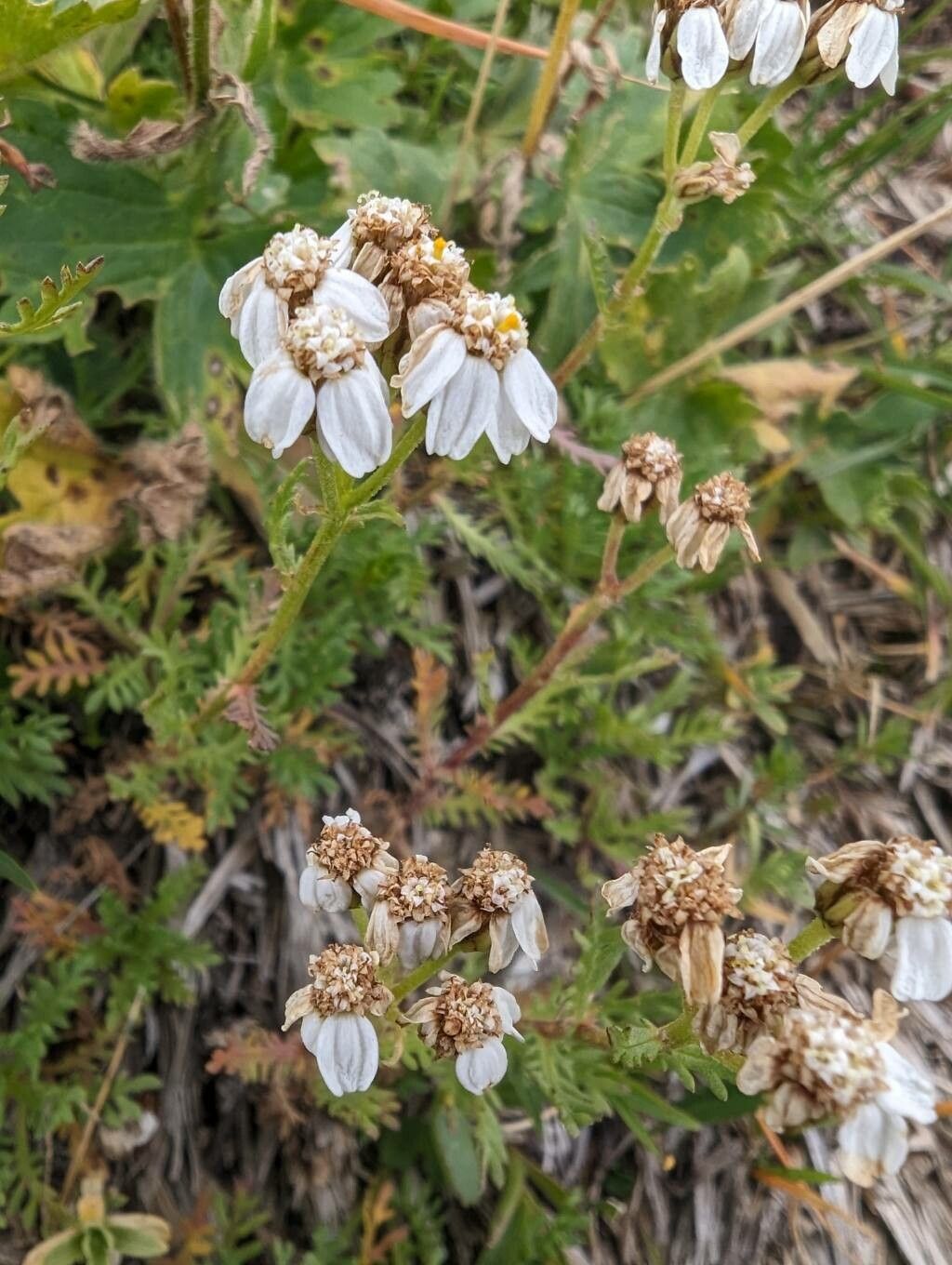
Propagating Achillea erba-rotta: A Gardener’s Guide
Introduction
Achillea erba-rotta, commonly known as Italian Yarrow (though this common name isn’t universally applied and can be confusing as it overlaps with other Achillea species), is a prized ornamental plant cherished for its delicate, feathery foliage and abundant, often daisy-like, blooms. These blooms, ranging in color depending on the cultivar, attract beneficial pollinators and add vibrancy to borders, rock gardens, and meadows. Its drought tolerance and adaptability make it a popular choice among gardeners, but achieving successful propagation requires understanding the plant’s specific needs. While many Achillea species are easily propagated, Achillea erba-rotta‘s propagation methods require a more nuanced approach.
Seed Germination
Currently, there are no known reliable methods for seed germination propagation of Achillea erba-rotta. While some Achillea species readily germinate from seed, Achillea erba-rotta appears to exhibit low seed viability or germination rates under standard horticultural conditions. Further research into specific germination requirements, including potential stratification techniques, is needed to determine if seed propagation is feasible.
Cuttings
Cuttings offer a reasonably successful method for Achillea erba-rotta propagation.
Challenges: Rooting success can vary depending on the timing (best in spring or early summer) and the quality of the cuttings. Stem cuttings prone to rot if not properly prepared.
Practical Tips: Take semi-hardwood cuttings, approximately 4-6 inches long, from non-flowering stems. Remove lower leaves, dip the cut ends in rooting hormone, and plant in a well-draining potting mix kept consistently moist but not soggy. A humid environment, achieved using a propagator or humidity dome, significantly improves rooting success. Temperatures ideally hover around 70°F (21°C).
Rewards: Cuttings produce genetically identical plants to the mother plant, ensuring the preservation of desirable traits like flower color and size. This method is relatively straightforward for smaller-scale propagation.
Division
Division is arguably the most reliable and successful method for propagating Achillea erba-rotta.
Challenges: This method is best performed in spring or autumn, during periods of active growth or dormancy. Care must be taken not to damage the root system during division; this can hinder the establishment of new plants.
Practical Tips: Carefully dig up the established plant, and gently separate it into smaller clumps or divisions, each with numerous roots and growing points. Replant these divisions immediately, ensuring adequate spacing and soil preparation. Water thoroughly after planting.
Rewards: Division provides a quick and efficient way to increase the number of plants with minimal effort. It preserves the genetic characteristics of the parent plant. Because plants are divided from an already existing root system, there is generally high success.
Tissue Culture
Tissue culture propagation of Achillea erba-rotta is possible but generally not practiced by home gardeners.
Challenges: This method requires specialized equipment, sterile laboratory conditions, and expertise in plant tissue culture techniques. It is a more complex and expensive method compared to cuttings or division.
Practical Tips: Professional laboratories employ specific media, growth regulators, and sterilization protocols optimized for Achillea species.
Rewards: Tissue culture allows for the mass production of genetically identical plants, making it ideal for commercial propagation. It also offers the possibility of disease elimination from the mother plant.
Conclusion
While seed germination remains unreliable for Achillea erba-rotta, cuttings and, especially, division offer viable and successful propagation methods for gardeners. The challenges involved, particularly avoiding stem rot in cuttings or root damage during division, highlight the importance of careful technique and attention to detail. However, the rewards – the vibrant blooms and hardy nature of the resulting plants – more than compensate for the effort involved. The unique satisfaction of nurturing a new Achillea erba-rotta from a cutting or division, knowing you’ve played a part in its journey, makes the endeavor all the more rewarding. Don’t be discouraged by initial challenges – with patience and the right approach, propagating this beautiful plant can be an immensely satisfying experience.