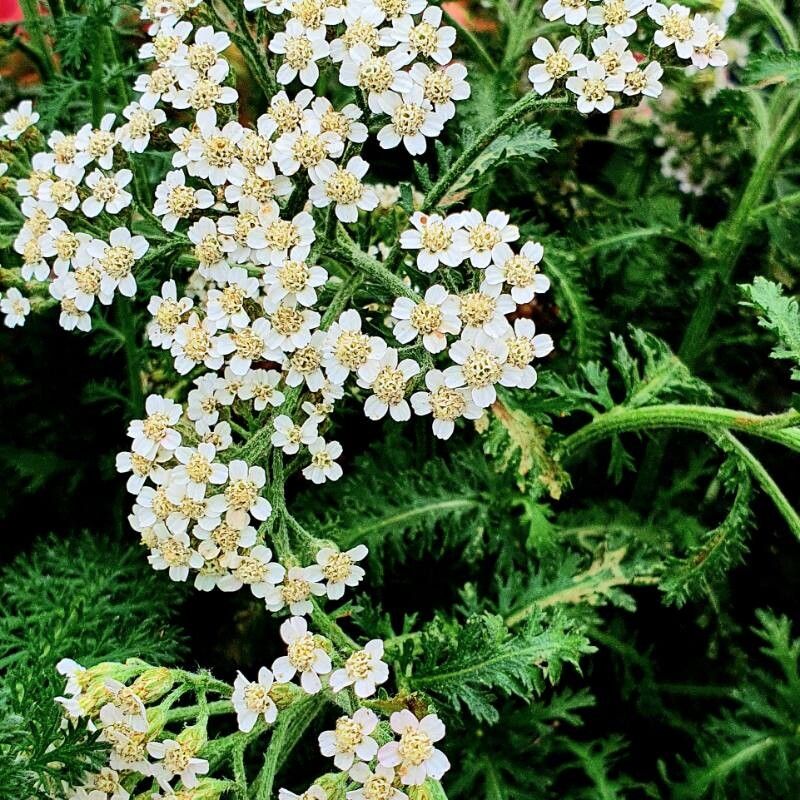
Propagating Achillea nobilis: The Noble Yarrow’s Journey from Seed to Garden
Achillea nobilis, commonly known as noble yarrow, is a hardy perennial prized for its aromatic foliage, daisy-like flowers, and historical significance. This drought-tolerant member of the Asteraceae family boasts silver-grey, finely dissected leaves and clusters of small, typically yellow (though sometimes white) flowers. Its popularity among gardeners stems from its medicinal uses, its ability to attract beneficial insects, and its suitability for various garden styles, from formal borders to informal meadows. While readily available commercially, propagating Achillea nobilis offers a unique horticultural challenge and deep satisfaction.
Seed Germination:
Currently, there are no known reliable methods for seed germination propagation of Achillea nobilis. While seeds may technically be viable, germination rates are notoriously low and unpredictable, making seed propagation an impractical method for most gardeners. The challenges include the seed’s dormancy mechanisms, which are not easily overcome with standard techniques like stratification.
Cuttings:
Cuttings represent a more reliable method for propagating Achillea nobilis.
Challenges: Successfully rooting cuttings requires attention to detail. Using softwood cuttings (taken from new growth in spring) often yields better results than hardwood cuttings.
Practical Tips: Take cuttings approximately 4-6 inches long, removing lower leaves to prevent rot. Dip the cut ends in rooting hormone powder before planting in a well-draining propagation mix (e.g., peat moss and perlite). Maintain high humidity using a propagator or covering with a plastic bag. Consistent moisture is crucial, but avoid overwatering. Rooting typically takes several weeks.
Rewards: This method preserves the exact genetic characteristics of the mother plant, ideal for propagating a particularly desirable cultivar or plant with unique qualities. Propagation from cuttings is generally faster and more successful than other vegetative methods.
Division:
Division is arguably the easiest and most reliable method for propagating Achillea nobilis.
Challenges: Division is best performed in spring or autumn when the plant is actively growing or dormant, respectively. Overly aggressive division can damage the plant.
Practical Tips: Dig up the established plant carefully, gently separating the root crown into smaller sections, each containing several healthy shoots and roots. Replant the divisions immediately, ensuring each has a good root system. Water the divided plants thoroughly after planting.
Rewards: Division is relatively quick and simple, resulting in multiple new plants quickly. It’s a very successful technique for increasing the number of Achillea nobilis plants in your garden.
Tissue Culture:
While tissue culture is a viable method for large-scale propagation of many plants, its application to Achillea nobilis is less common among home gardeners due to the specialized equipment and expertise required.
Challenges: Establishing sterile conditions and maintaining aseptic techniques are crucial to prevent contamination. The process requires specific media formulations and growth regulators which need to be precisely controlled.
Practical Tips: This method is best left to commercial nurseries or laboratories with the necessary facilities and experience.
Rewards: Tissue culture allows for rapid and large-scale propagation, producing numerous genetically identical plants. This is essential for commercial production or conservation purposes.
Conclusion:
Propagating Achillea nobilis presents a spectrum of challenges and rewards depending on the chosen method. Seed propagation proves unreliable, while cuttings present a good option for preserving specific traits, offering a moderate level of difficulty. Division emerges as the easiest and most widely recommended method for the home gardener. Tissue culture remains a specialized technique best suited for commercial production. The unique satisfaction of successfully nurturing a new Achillea nobilis plant from a cutting or division, overcoming the challenges involved, adds a profound dimension to gardening. Don’t be discouraged by potential setbacks – the journey, and the eventual triumph, is worth the effort for this resilient and noble plant. Start with division; master that, then experiment with cuttings. You’ll soon be enjoying prolific displays of the noble yarrow’s captivating blooms.