Propagating the Fairy Lantern: A Guide to Achlys triphylla
Introduction:
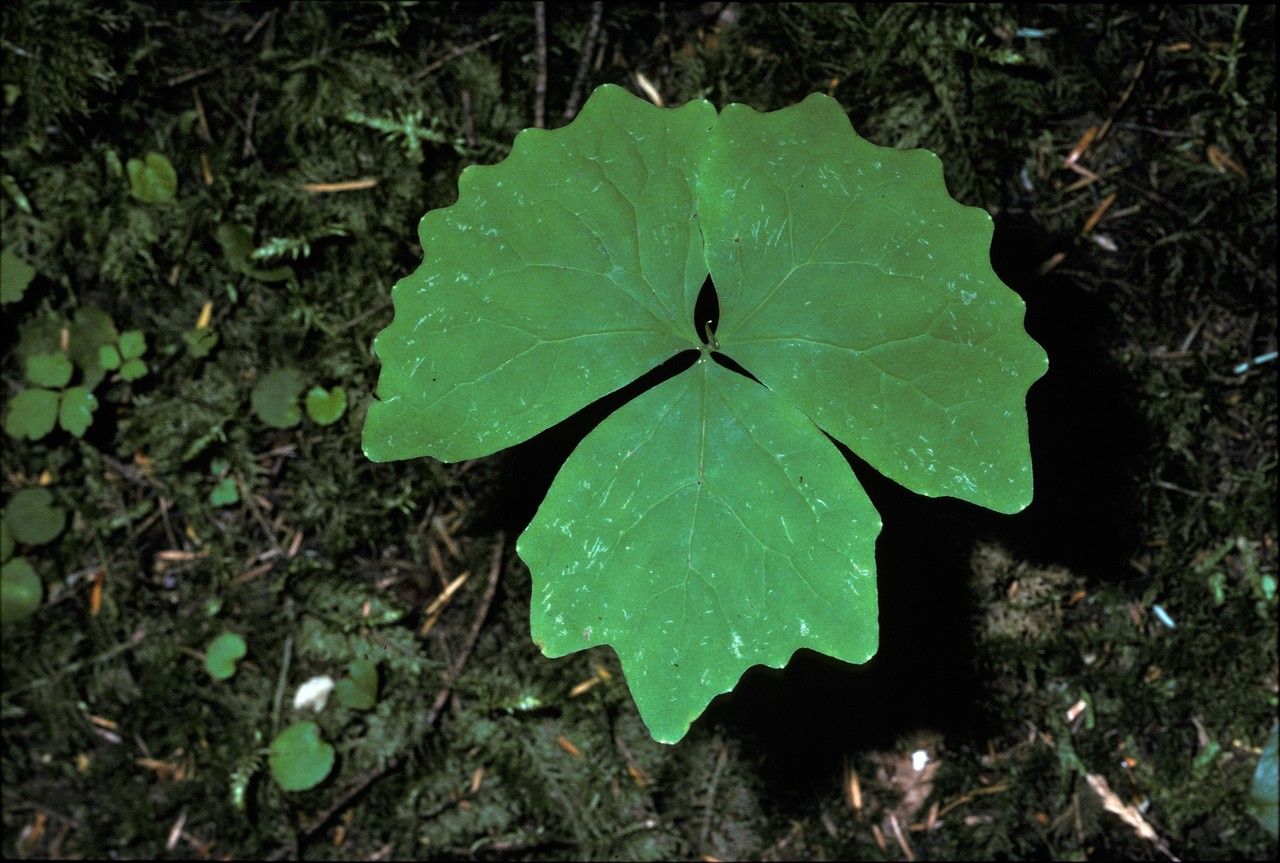
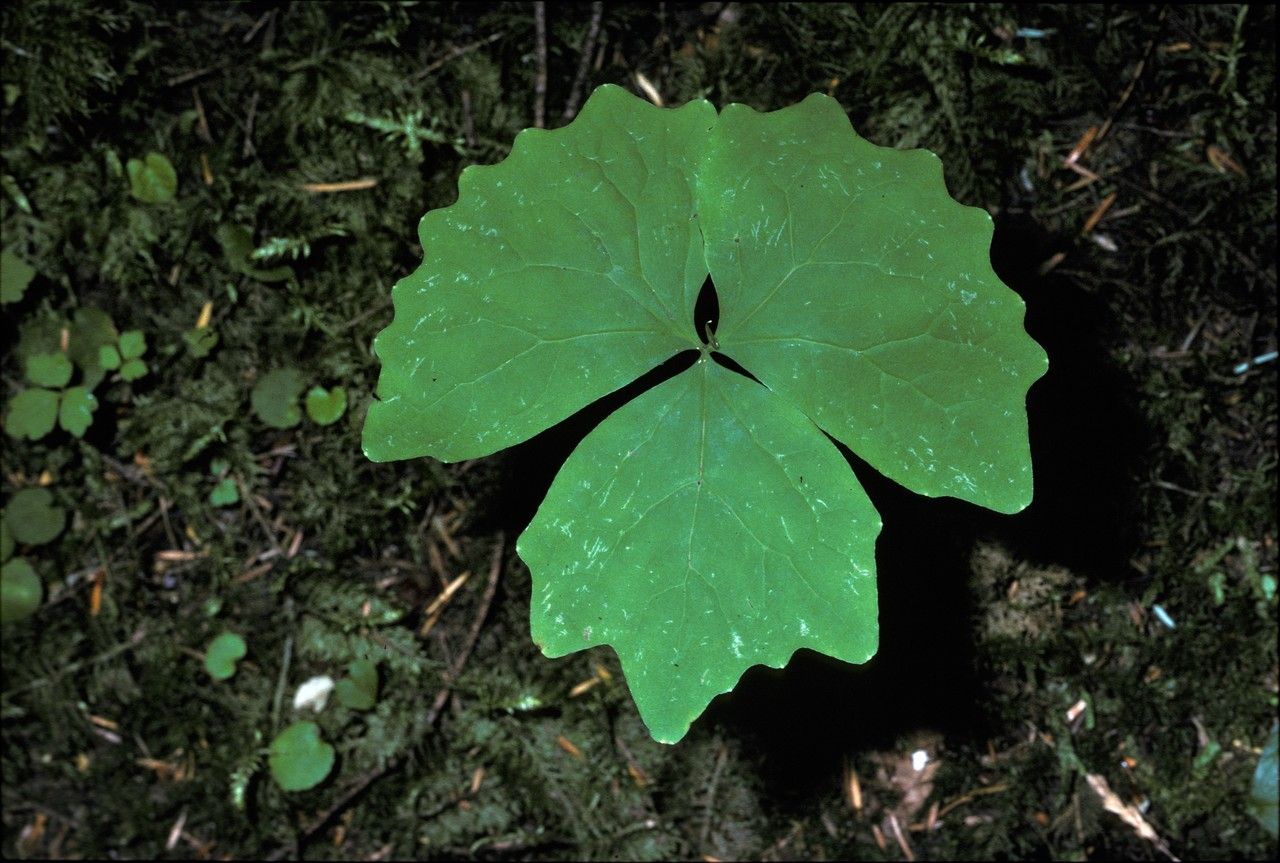
Achlys triphylla, commonly known as the deerfoot or vanilla leaf, is a charming, shade-loving woodland plant prized for its delicate, silvery-green foliage and unique, subtly vanilla-scented flowers. Its low-growing habit and tolerance for challenging conditions make it a popular choice among gardeners seeking to create naturalistic woodland gardens or ground cover in shady areas. While relatively easy to maintain once established, propagation of Achlys triphylla presents some unique hurdles. This guide explores various methods, outlining challenges and rewards for each.
Seed Germination:
Currently, there are no known reliable methods for seed germination propagation of Achlys triphylla. While seeds may be produced, their viability is notoriously low, and successful germination rates are extremely difficult to achieve under typical horticultural conditions. Extensive research hasn’t yielded consistent results, likely due to complex dormancy requirements and potentially short-lived seed viability.
Cuttings:
Propagating Achlys triphylla from cuttings presents moderate challenges but offers a higher success rate than seed germination.
- Challenges: Cuttings are prone to rot if not kept consistently moist but well-drained. The slow-growing nature of the plant means establishing rooted cuttings can take considerable time.
- Practical Tips: Softwood cuttings taken in early summer, after new growth emerges, are most successful. Use a sharp, clean blade to take cuttings about 4-6 inches long, removing lower leaves to prevent rotting. Dip the cut ends in rooting hormone and plant in a well-draining mix of peat moss and perlite, maintaining consistently moist conditions but avoiding waterlogged soil. A humidity dome can significantly improve rooting success. High humidity and bottom heat can accelerate rooting.
- Rewards: Cuttings provide a straightforward method of propagating specific desirable traits from existing plants. It’s a relatively simple technique compared to tissue culture, though patience is crucial.
Division:
Division is the most commonly employed and reliable method for propagating Achlys triphylla.
- Challenges: This method requires an established, mature plant, limiting its use until the plant is several years old and has developed sufficient root mass. Care must also be given to minimize damage to the roots during division.
- Practical Tips: The best time for division is in early spring or fall, when the plant is dormant or entering dormancy. Carefully lift the entire clump from the ground and gently separate it into smaller sections, ensuring each division has healthy roots and several shoots. Replant the divisions in well-prepared, moist, organically rich soil.
- Rewards: This method is relatively simple, offers high success rates, and allows for quicker establishment of new plants compared to cuttings.
Tissue Culture:
Tissue culture propagation of Achlys triphylla is a viable but technically demanding method.
- Challenges: This technique requires specialized equipment, a sterile environment, and a detailed knowledge of plant tissue culture protocols. It’s costly and time-consuming, requiring sophisticated laboratory equipment and expertise.
- Practical Tips: Explants from actively growing shoot tips are often the best source for tissue culture. Optimal media composition and hormone levels must be determined empirically. Sterile procedures are critical to avoid contamination.
- Rewards: Tissue culture allows for mass propagation, offering the opportunity to create a large number of genetically identical plants from a single source. It also facilitates rapid multiplication, particularly valuable for rare or exceptionally desirable cultivars.
Conclusion:
Propagating Achlys triphylla presents varying degrees of challenge, depending on the chosen method. While seed propagation is currently deemed unreliable, division is the simplest and most consistently successful approach for the average gardener. Cuttings offer a viable alternative, requiring more patience but accessible to those with basic propagation skills. Tissue culture remains a highly specialized approach better suited to commercial or research settings. Despite the difficulties, the reward of successfully nurturing a new Achlys triphylla from a cutting, division, or even (with significant perseverance) tissue culture, is especially gratifying. The delicate beauty of this understated woodland plant makes the effort truly worthwhile for any dedicated gardener. Don’t be discouraged by potential setbacks – persistence and attention to detail will ultimately yield success.