Propagating Acianthera ciliata: A Gardener’s Guide
Introduction:
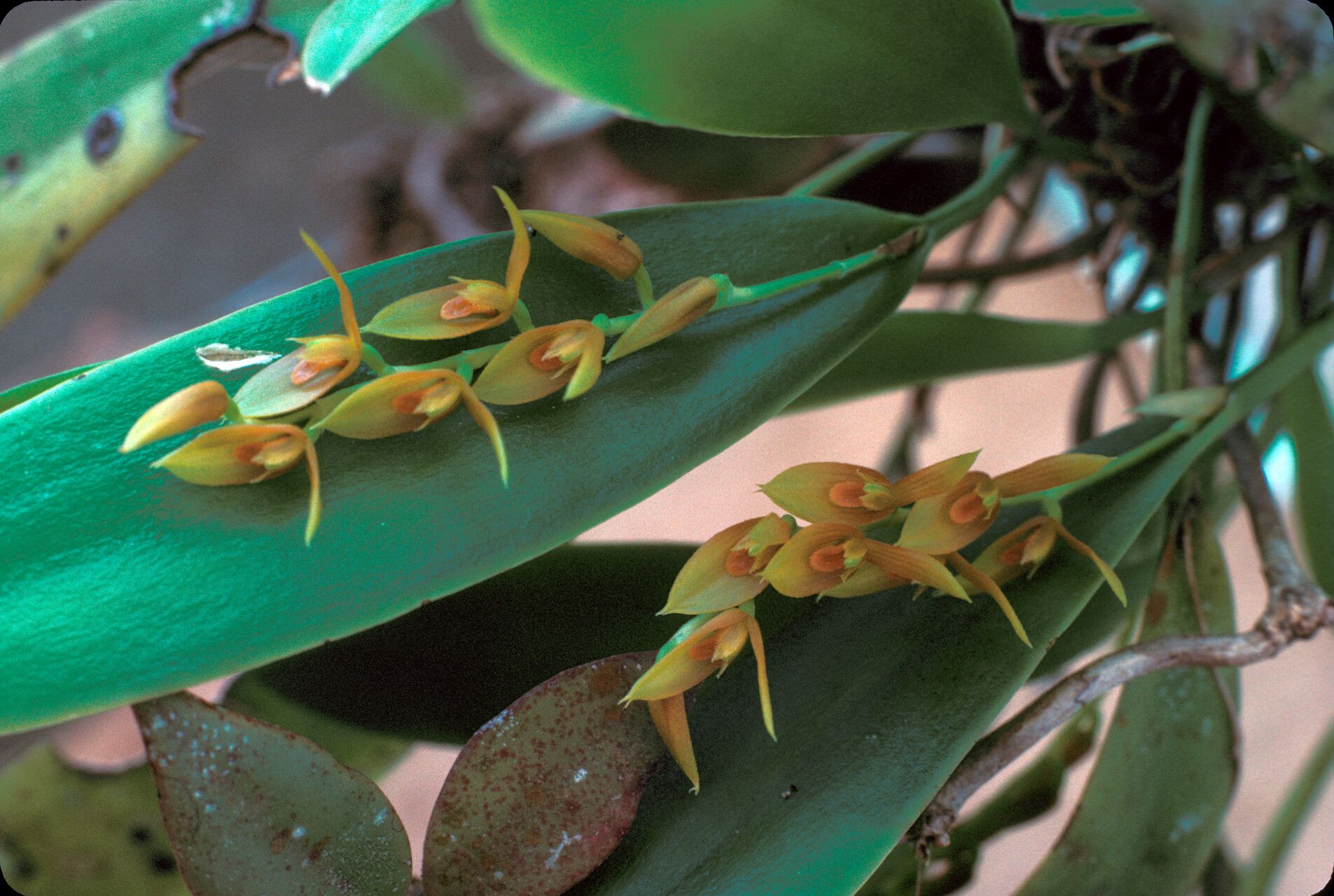
Acianthera ciliata, sometimes known as the fringed Acianthera, is a captivating miniature orchid native to the Neotropics. This species is prized for its delicate, often densely-flowered sprays of small, charming blossoms, frequently exhibiting intricate fringing along the lip. Its compact size makes it ideal for terrariums, mounted displays, or small pots, contributing to its increasing popularity among orchid enthusiasts. However, its propagation presents unique challenges, making successful cultivation all the more rewarding. This guide explores various methods of propagation to help enthusiasts expand their collections of this delightful orchid.
Seed Germination:
Currently, there are no known reliable methods for seed germination propagation of Acianthera ciliata. Orchid seeds are notoriously tiny and lack endosperm, requiring a symbiotic relationship with specific mycorrhizal fungi for germination. Establishing this relationship in a controlled environment is exceptionally challenging, even for experienced orchid propagators. While some success might be achieved in a specialized laboratory setting using tissue culture techniques, it is not a viable method for the average home grower.
Cuttings:
Acianthera ciliata propagation via cuttings is generally not successful. Unlike some other plants, orchids do not readily regenerate from stem or leaf cuttings. Attempting this method will likely result in the decay of the cutting without root or shoot development.
Division:
Division is the most practical and reliable method for propagating Acianthera ciliata. This involves carefully separating the plant into smaller sections, each containing several healthy pseudobulbs and roots.
Challenges: Acianthera ciliata often grows densely, making careful separation crucial to avoid damaging the roots and pseudobulbs. Plants should be sufficiently mature with ample growth before division.
Practical Tips: Divide the plant during the active growing season (spring or early summer). Use a sharp, sterile knife or scissors to avoid crushing the delicate roots. Ensure each division has a healthy root system and at least three pseudobulbs. Repot each division in a well-draining medium suitable for orchids, such as a bark-based mix. Avoid overwatering initially, allowing the divisions to establish new roots before increasing watering frequency.
- Rewards: Division is a relatively straightforward method, offering a high success rate. It allows for the rapid increase in the number of plants while maintaining the genetic characteristics of the parent plant.
Tissue Culture:
Tissue culture is a viable, albeit complex, method for propagating Acianthera ciliata. It involves growing the orchid from small sections of plant tissue in a sterile, nutrient-rich medium.
Challenges: Tissue culture requires specialized equipment, a sterile environment, and a thorough understanding of plant tissue culturing techniques. Contamination is a major risk, potentially ruining the entire culture. Sourcing the appropriate media and growth regulators is crucial.
Practical Tips: This method is best left to professionals or highly experienced hobbyists with access to the necessary equipment and expertise. Detailed information on specific media and protocols is usually available through scientific literature, specialized orchid forums, or from laboratories offering such services.
- Rewards: Tissue culture offers the potential for large-scale propagation and the production of disease-free plants. It’s the method of choice for mass propagation in nurseries and research.
Conclusion:
Propagating Acianthera ciliata presents both challenges and rewards. While seed germination and cuttings are not viable options, division offers a relatively simple and successful approach for the home grower. Tissue culture provides a route for large-scale propagation but requires significant expertise and resources. The effort involved in successfully propagating this miniature orchid, especially through division, is greatly rewarded by the joy of nurturing these beautiful plants from a small division to a thriving colony. The unique challenges only add to the satisfaction of witnessing the delicate flowers bloom from a plant you’ve patiently and skillfully propagated. For aspiring propagators, start with division; patience, meticulous care, and a well-draining medium are your keys to success.