
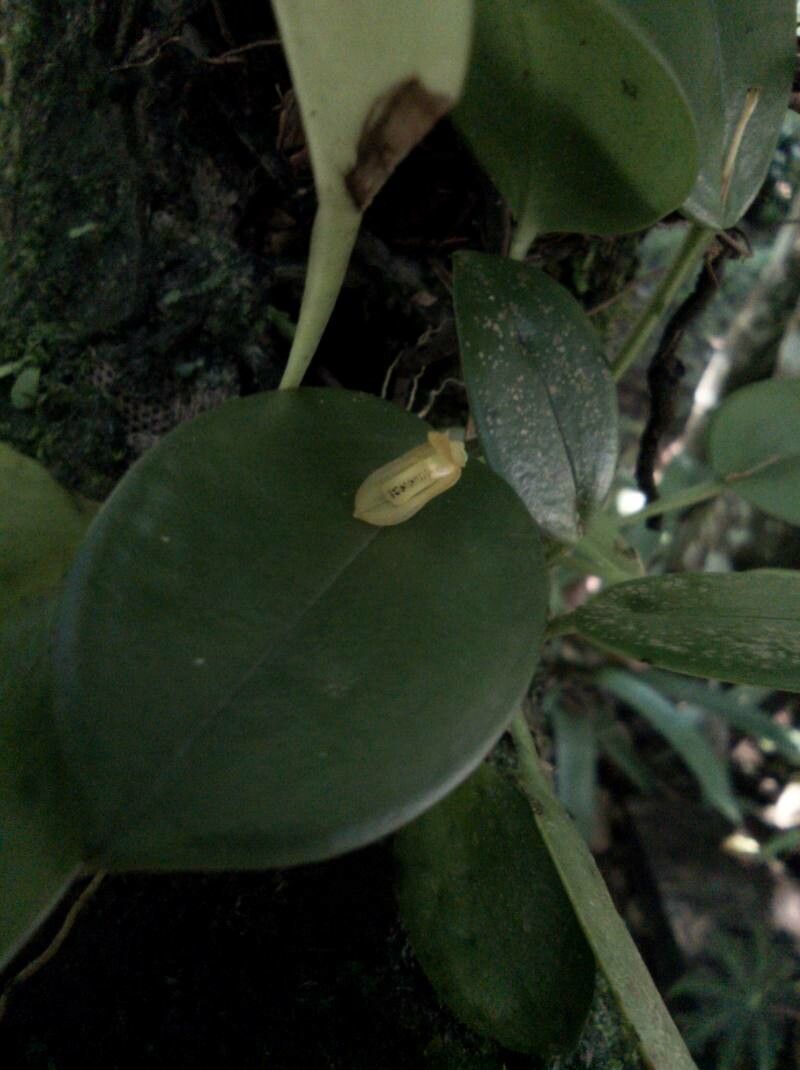
Propagating Acianthera luteola: A Guide for Orchid Enthusiasts
Introduction:
Acianthera luteola, sometimes known as the "Little Yellow Orchid," is a captivating miniature orchid species prized for its delicate, bright yellow flowers and compact growth habit. Its diminutive size makes it a popular choice for small spaces and terrariums, while its prolific blooming nature adds a joyful splash of color to any collection. However, propagating this charming orchid presents some unique challenges. While readily available commercially, successfully propagating Acianthera luteola from seed or through division requires patience and attention to detail. The unique aspects relevant to its propagation lie in its miniature size leading to challenges in handling delicate tissues and its specific environmental needs.
Seed Germination:
Currently, there are no known reliable methods for seed germination propagation of Acianthera luteola. Orchid seeds, including those of Acianthera luteola, are extremely fine and lack endosperm (the nutrient-rich tissue that supports the seedling’s initial growth). They require a symbiotic relationship with specific mycorrhizal fungi for germination, a relationship difficult to replicate in a home environment. Attempts at seed germination often prove unsuccessful due to this intricate symbiotic requirement.
Cuttings:
Propagating Acianthera luteola through cuttings is also generally unsuccessful. Unlike some other plants, orchids rarely root readily from stem cuttings. The lack of readily available nodes from which roots can form, coupled with the orchid’s delicate nature, makes this method impractical and likely to lead to rotting rather than rooting.
Division:
Division is the most reliable method for propagating Acianthera luteola. This involves carefully separating a mature plant into multiple smaller divisions, each with its own roots and growth points.
Challenges: The main challenge lies in carefully dividing the plant without damaging the delicate roots or pseudobulbs. Acianthera luteola’s compact growth means there are often few points suitable for division.
Tips: Sterile, sharp instruments are crucial to minimize damage. Divide only mature plants with multiple pseudobulbs and well-developed root systems. Plant each division in a well-draining orchid potting mix, ensuring good humidity.
Rewards: Division offers a relatively simple and successful way to increase your plant count and maintain genetic consistency.
Tissue Culture:
Tissue culture offers the most potential for large-scale propagation of Acianthera luteola, bypassing the need for fungal symbiosis in seed germination.
Challenges: Tissue culture requires specialized equipment, a sterile environment, and a good understanding of plant tissue culture techniques. This method is generally not feasible for home propagators.
Tips: This method is best left to experienced orchid labs specializing in tissue culture.
Rewards: Tissue culture allows for rapid multiplication of desirable genetic lines, disease-free plants, and the potential for large-scale commercial production.
Conclusion:
Propagating Acianthera luteola presents unique challenges, with division proving the most successful method for the home cultivator. While seed germination and cuttings consistently fail, tissue culture presents potential for mass propagation but requires specialized expertise. The rewards of successfully cultivating this lovely miniature orchid are great. The satisfaction derived from nurturing a small division into a thriving, blossoming plant far outweighs the effort involved. The persistent gardener will be rewarded with a delightful display of these cheerful yellow flowers, a testament to their dedication and horticultural skills. For aspiring propagators, start with acquiring a healthy, mature plant and master the art of division, working your way up to more complex propagation methods. Remember patience, sterile techniques, and a watchful eye are key to your success!