Propagating Acineta densa: A Guide for Orchid Enthusiasts
Introduction:
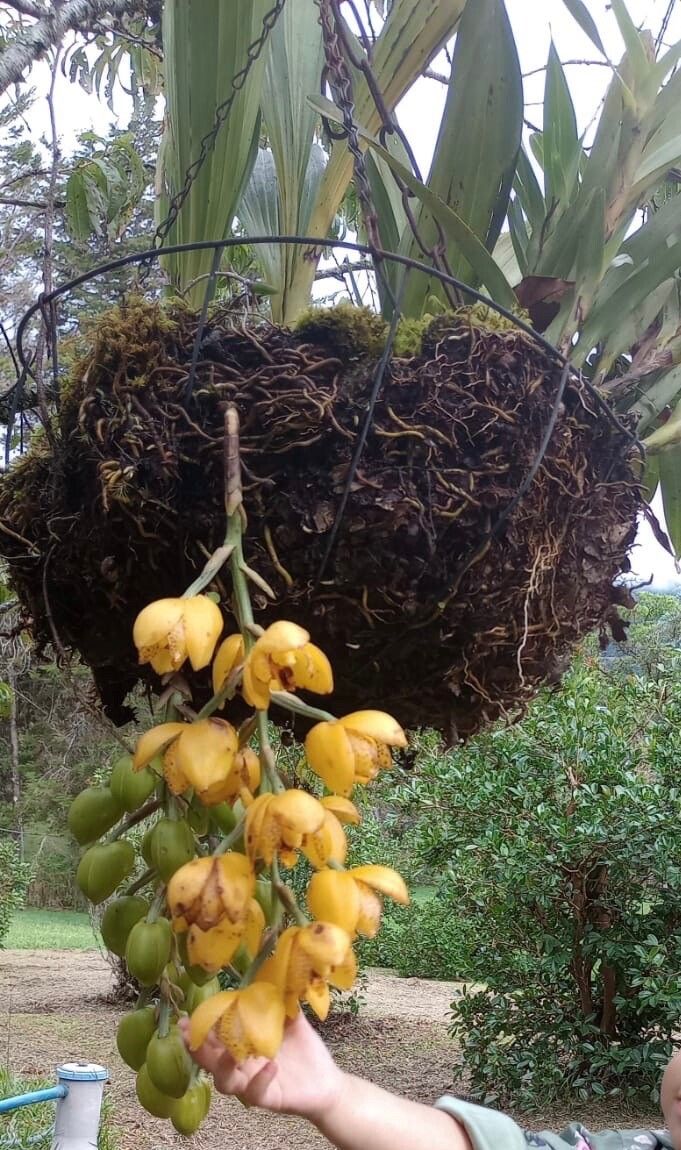
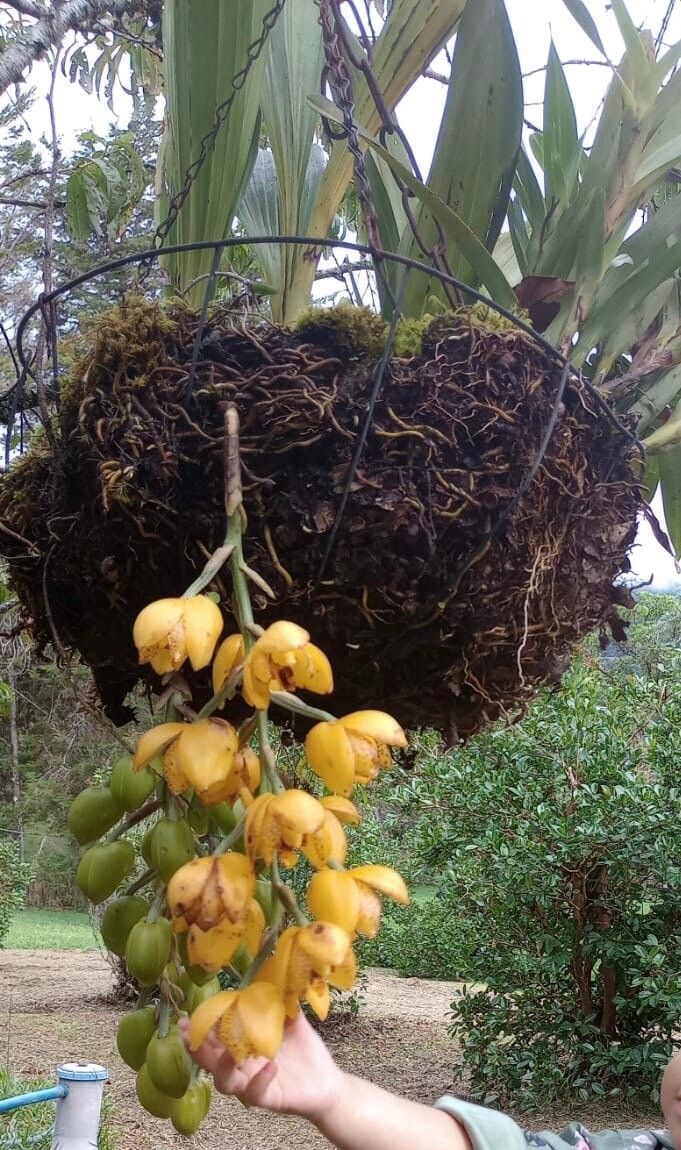
Acineta densa, sometimes called the "Dense Acineta," is a captivating orchid species admired for its large, showy flowers and robust growth habit. These orchids, native to Central and South America, are prized by collectors and gardeners alike for their unique beauty and relative ease of cultivation (compared to some other orchid species). Their substantial size and striking blooms make successful propagation a particularly rewarding endeavor, though certain challenges exist. This article explores the various methods available for propagating Acineta densa, outlining both the advantages and difficulties associated with each.
Seed Germination:
Currently, there are no known reliable methods for seed germination propagation of Acineta densa. Orchid seeds, including those of Acineta densa, are extremely fine and lack the endosperm necessary for germination without symbiotic fungal associations. While laboratory conditions using sterile media and symbiotic fungi might offer a possibility, this method is far beyond the capabilities of the average home grower and is largely confined to specialized orchid labs and research facilities.
Cuttings:
Cuttings are not a viable method for propagating Acineta densa. Unlike some other plants, orchids do not readily produce roots from stem cuttings. Attempts at stem propagation are highly unlikely to succeed.
Division:
Division is the most successful and practical method for propagating Acineta densa. This involves carefully separating a mature plant into multiple sections, each containing several pseudobulbs and healthy roots.
Challenges: Divisions must be made carefully to avoid damaging the roots and pseudobulbs, which can lead to plant stress and potential failure. The plant must also be of sufficient size to allow for multiple viable divisions.
Practical Tips: Wait until after flowering and ideally during the active growth period. Gently remove the plant from its pot and carefully tease apart the rhizome, ensuring each division has a good root system and several pseudobulbs. Plant each division in fresh, well-draining orchid potting mix and provide consistent moisture and humidity for optimal recovery.
Rewards: This method offers a relatively simple and reliable way to increase the number of plants. It preserves the existing genetic material, ensuring that the resulting plants are identical to the parent plant.
Tissue Culture:
Tissue culture offers another possibility for propagation, though, again, this is typically beyond the scope of home growers.
Challenges: Tissue culture requires specialized equipment, a sterile laboratory environment, and expertise in plant tissue culture techniques. Contamination is a major risk, and the process can be time-consuming and labor-intensive.
Practical Tips: This method is best left to specialized laboratories or nurseries equipped for this complex procedure.
Rewards: Tissue culture allows for large-scale propagation and the potential for disease-free plants.
Conclusion:
Propagating Acineta densa presents unique challenges. While seed germination and cuttings are not viable options, division offers a relatively straightforward approach for home growers. Tissue culture, although highly effective for large-scale propagation, requires specialized equipment and expertise.
The satisfaction of successfully propagating Acineta densa through division—watching these magnificent orchids thrive and bloom—is a testament to the grower’s dedication and skill. The challenge inherent in the process adds significantly to the sense of accomplishment. For aspiring propagators, mastering the art of division with a healthy, mature Acineta densa proves to be a rewarding and attainable goal. Remember patience is key, and the successful multiplication of these stunning orchids is a triumph worth celebrating.