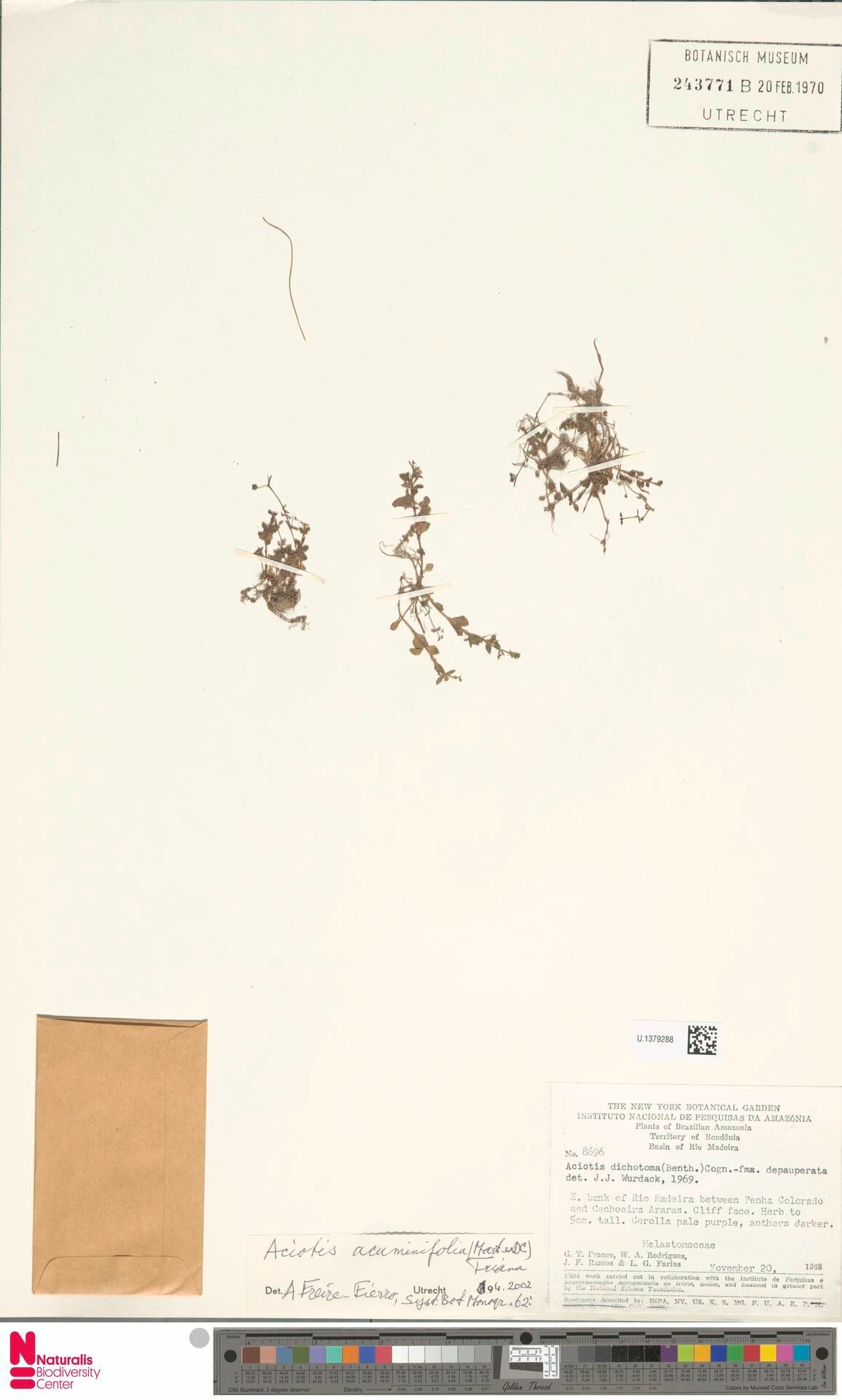
Propagating Aciotis acuminifolia: A Gardener’s Guide to the Velvet Queen
Aciotis acuminifolia, also known as the velvet plant or pink glory bush, is a captivating member of the Melastomataceae family, prized for its velvety foliage and delicate pink flowers. Its popularity among gardeners stems from its relatively low maintenance needs and its striking ornamental value, particularly in shaded gardens. However, propagation can present some unique challenges. This article explores various methods for propagating Aciotis acuminifolia, outlining their successes, failures, and rewards.
Seed Germination:
Currently, there are no known reliable methods for seed germination propagation of Aciotis acuminifolia. While the plant produces seeds, germination rates are reportedly extremely low, and consistent success has not been documented in readily available horticultural literature. Further research into specific seed treatments and germination conditions may be required to unlock this propagation pathway.
Cuttings:
Cuttings offer a more reliable method for propagating Aciotis acuminifolia.
- Challenges: While rooting is possible, success rates can be variable and depend heavily on environmental conditions. The cuttings are prone to fungal diseases if not kept in a clean and well-ventilated environment.
- Practical Tips: Semi-hardwood cuttings taken in late spring or early summer are most successful. Use a sharp, clean blade to take 4-6 inch cuttings, removing the lower leaves. Dip the cut end in rooting hormone before planting in a well-draining propagation mix (e.g., perlite and peat moss). Maintain high humidity using a humidity dome or propagation tray and provide bright, indirect light. Bottom heat can also improve rooting success.
- Rewards: Cuttings offer a relatively quick way to generate new plants, preserving the genetic characteristics of the parent plant. This method is ideal for smaller-scale propagation and maintaining specific cultivars.
Division:
Division of established Aciotis acuminifolia plants is a feasible propagation method, though it’s limited to mature, well-established specimens.
- Challenges: Dividing the root system can be disruptive to the plant, potentially causing stress or even death if not done carefully. It also limits the number of new plants you can produce from a single parent plant. Success is highly dependent on the health and vigor of the mother plant.
- Practical Tips: Division is best performed in spring or early autumn. Carefully dig up the plant, gently separate the root ball into smaller sections, ensuring each section has healthy roots and shoots. Replant the divisions immediately in a suitable potting mix, water thoroughly and provide some shade until they recover.
- Rewards: Division provides a relatively fast way to increase the number of plants, often with a higher success rate than cuttings and offering a quick method for propagation.
Tissue Culture:
Tissue culture offers a high potential for rapid, large-scale propagation of Aciotis acuminifolia, but it requires specialized laboratory equipment and expertise.
- Challenges: Establishing aseptic techniques and finding the optimal growth media and hormonal balance are crucial for success. This method requires significant upfront investment and specialized knowledge, making it unsuitable for home propagators.
- Practical Tips: This method would involve sterilizing plant material (typically shoot tips or nodal segments) and culturing them on a nutrient-rich agar medium. Specific hormonal balances will need to be determined through experimentation.
- Rewards: Tissue culture can produce a large number of genetically identical plants quickly, allowing for large-scale propagation for commercial purposes or conservation efforts.
Conclusion:
Propagating Aciotis acuminifolia presents unique challenges across all methods, with seed germination currently proving unreliable. Cuttings offer a viable option for home gardeners, while division is a practical method for established plants. Tissue culture offers high potential for large-scale propagation but demands specialized equipment and knowledge. The rewards, however, are well worth the effort. The satisfaction derived from cultivating this stunning plant, especially after overcoming the propagation hurdles, provides a unique sense of accomplishment for the dedicated gardener. Don’t be discouraged by initial setbacks – experiment, learn from your experiences, and enjoy the journey of propagating your "Velvet Queen."