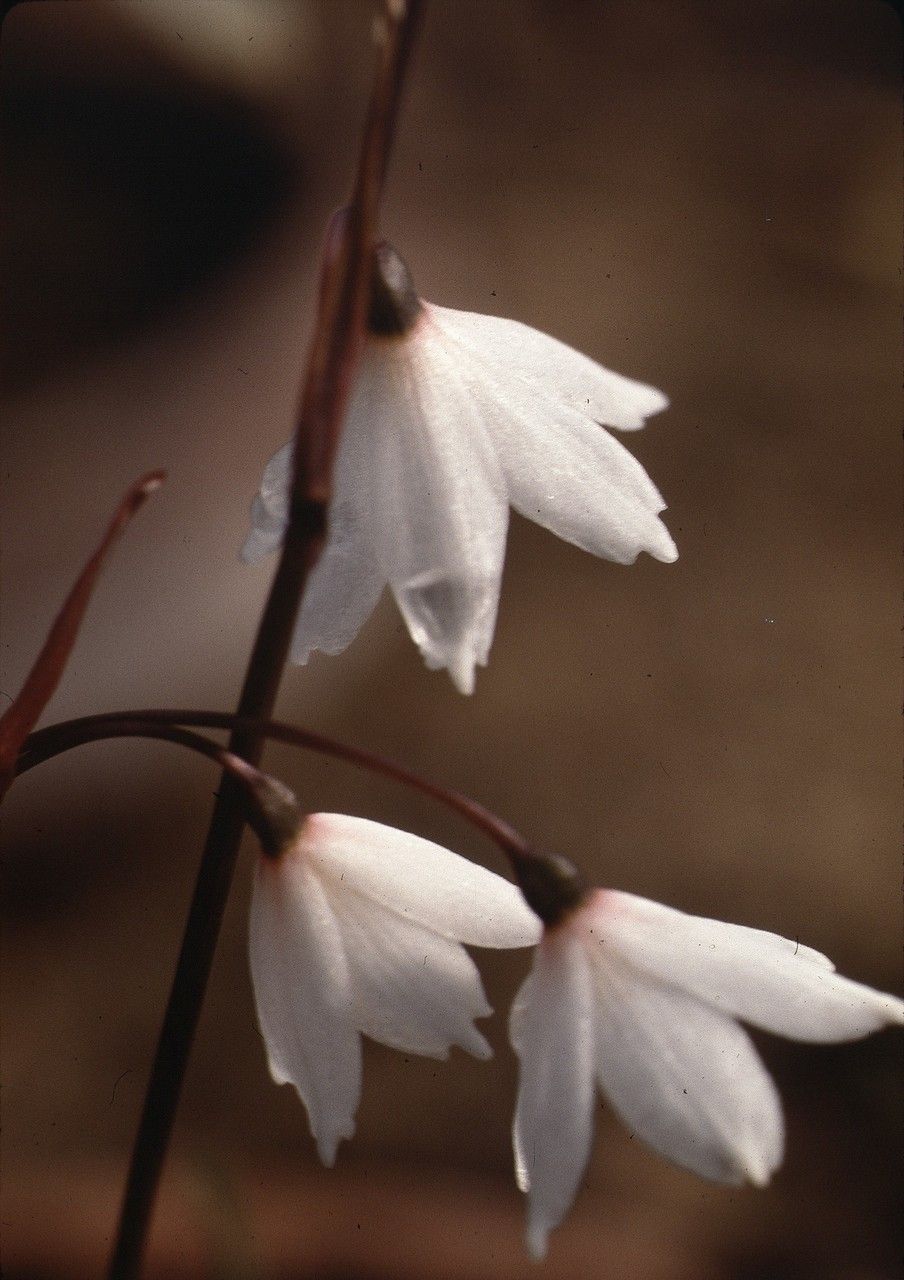
Propagating Acis rosea: Unveiling the Secrets of the Pink Autumn Snowflake
Acis rosea, commonly known as the pink autumn snowflake, is a captivating bulbous perennial prized for its delicate, rosy-pink flowers that bloom in the autumn. These charming blooms, appearing amidst the fading colours of the season, lend a unique elegance to any garden. Its relative rarity and captivating beauty have cemented its popularity among keen gardeners, increasing the desire to propagate this species and share its allure. However, propagation of Acis rosea proves to be a more challenging endeavor than many other common garden plants.
Seed Germination:
Currently, there are no known reliable methods for seed germination propagation of Acis rosea. While some seeds may theoretically be viable, the germination rate is extremely low, and successful cultivation from seed remains largely undocumented. Extensive research would be needed to identify necessary conditions for consistent, successful seed germination.
Cuttings:
Cuttings are not a viable method for propagating Acis rosea. This species, like many bulbous plants, lacks the ability to regenerate from stem or leaf cuttings.
Division:
Division is the most successful and commonly practiced method for propagating Acis rosea. The bulbs, while relatively small, produce offsets (daughter bulbs) over time. This method offers several advantages.
Challenges: Divisions must be carried out carefully to avoid damaging the delicate bulbs and their associated root systems. The small size of the offsets means that propagation through division is relatively slow, limiting the scale of production.
Practical Tips: Division is best performed during the plant’s dormant period (typically summer). Carefully lift the clump of bulbs and gently separate the offsets, ensuring each has some attached roots. Replant the divisions immediately in well-drained, slightly acidic soil.
Rewards: Division provides a reliable method of maintaining the genetic characteristics of the parent plant. It allows for the gradual increase of the population in a garden setting.
Tissue Culture:
Tissue culture offers a potential—albeit technically demanding—alternative for Acis rosea propagation.
Challenges: Establishing sterile conditions and selecting the appropriate growth media and hormonal treatments are crucial for successful tissue culture, requiring significant specialized knowledge and equipment. The protocols for Acis rosea specifically are not widely available and require experimentation.
Practical Tips: If attempting tissue culture, consulting with plant tissue culture specialists and researching successful protocols for related species is strongly recommended.
Rewards: Tissue culture could provide a means for rapid large-scale propagation, providing more plants for gardens and potentially conservation efforts. It also offers opportunities for disease-free stock production.
Conclusion:
Propagating Acis rosea presents unique challenges. While division remains the most reliable method, the low multiplication rate keeps it generally limited to individual gardeners. Seed propagation and cuttings are presently impractical. Tissue culture offers a potentially high-yield alternative but requires specialized resources and expertise. Successfully cultivating Acis rosea from any of these methods, particularly division, demands patience, meticulous attention to detail, and a profound understanding of the plant’s specific needs. Yet, the sheer joy of nurturing these dainty pink flowers from a tiny offset or successfully establishing a tissue culture line far outweighs the initial challenges. The reward is the blossoming of these exquisite autumn gems in your own garden, a testament to your perseverance and connection with the natural world. For aspiring propagators, remember that patience and persistence will be key to success.