
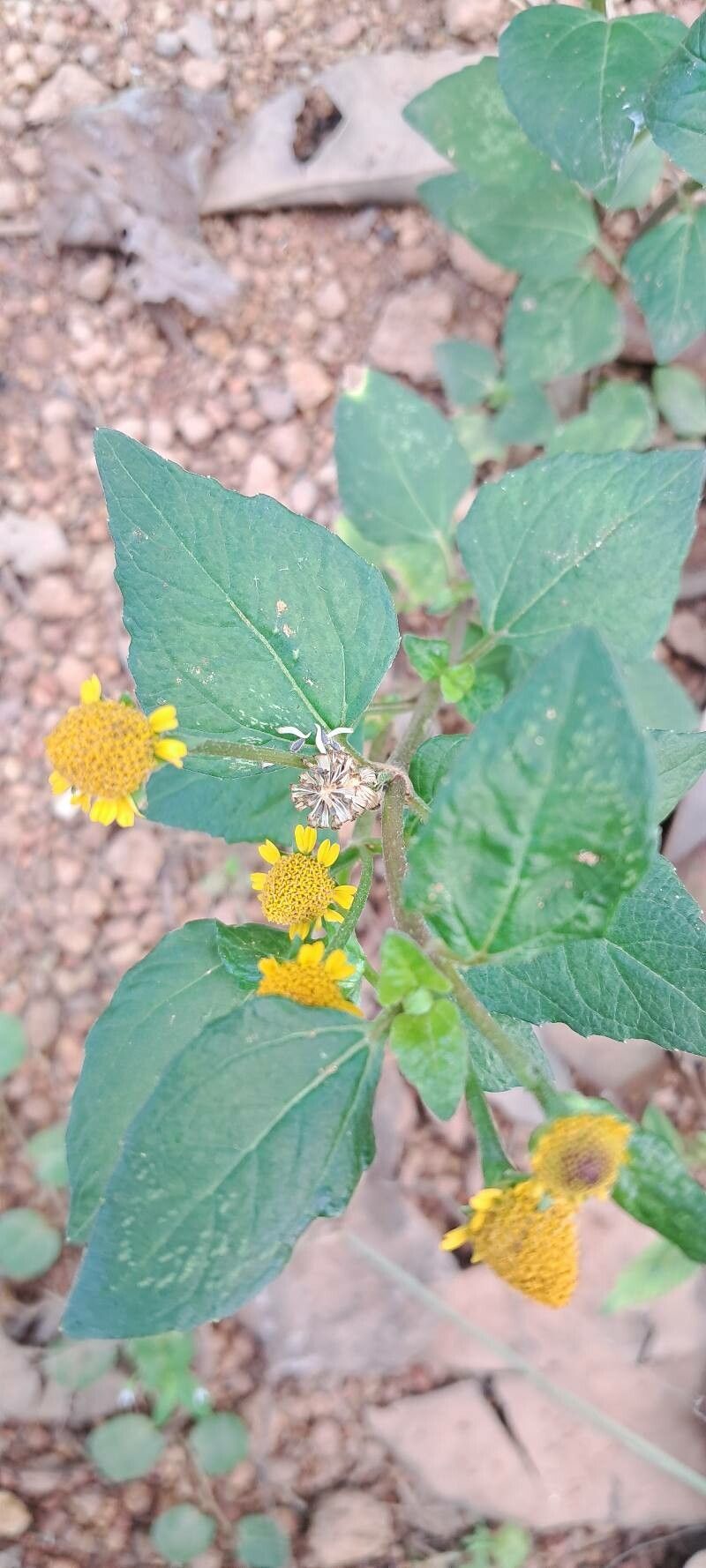
Propagating Acmella caulirhiza: The Joy and Challenges of Growing Electric Daisy
Acmella caulirhiza, commonly known as electric daisy, buzz button, or toothache plant, is a captivating addition to any garden. Its vibrant yellow flower heads, boasting unique spiky ray florets, and its intriguing numbing sensation when chewed, make it a conversation starter. Its compact size and relative ease of care have contributed to its growing popularity among home gardeners and landscapers alike. However, propagating this fascinating plant presents its own set of unique challenges. This article explores diverse methods of propagation, highlighting both the rewards and hurdles involved.
Seed Germination:
Currently, there are no known reliable methods for seed germination propagation of Acmella caulirhiza. While the plant does produce seeds, their viability is notoriously low, and germination rates are often negligible even under ideal conditions. Further research is needed to fully understand the intricate requirements for successful germination from seed.
Cuttings:
Cuttings are a significantly more reliable method for propagating Acmella caulirhiza.
Challenges: Success hinges on selecting healthy, actively growing stems. Using too-old or too-young material can greatly reduce rooting success. Overwatering or inadequate humidity can lead to rot before rooting occurs.
Practical Tips: Take 4-6 inch cuttings from non-flowering stems in spring or early summer. Remove lower leaves to prevent rotting. Dip the cut end in rooting hormone to encourage rapid root development. Plant cuttings in a well-draining potting mix, maintaining consistently moist (but not soggy) conditions and high humidity (a propagation dome or plastic bag can help). Rooting typically takes 3-4 weeks.
Rewards: Cuttings provide a relatively quick and easy method to increase the number of plants. The resulting plants are genetically identical to the mother plant, ensuring consistent characteristics.
Division:
Division offers another reasonably effective approach for propagating established Acmella caulirhiza plants.
Challenges: This method is only feasible with mature plants that have developed a substantial root system. Dividing the plant too aggressively can damage the roots and weaken the plant, potentially leading to poor establishment of the divisions.
Practical Tips: Divide the plant in spring or early autumn, carefully separating the root ball into several smaller sections, ensuring each section has healthy roots and shoots. Replant the divisions at the same depth as the original plant in well-draining soil, and water thoroughly.
Rewards: Division is a relatively straightforward method requiring minimal specialized equipment. It allows for quick propagation of a number of new plants.
Tissue Culture:
Tissue culture propagation of Acmella caulirhiza is a possibility, although it demands a specialized laboratory setup and expertise.
Challenges: Establishing a sterile environment and mastering the specific culture media requirements for this plant are significant hurdles. This method is costly and time-consuming, requiring specialized equipment and aseptic techniques.
Practical Tips: Aseptic techniques are crucial. Explants (small sections of plant tissue) should be taken from healthy, virus-free plants. The use of appropriate growth hormones and media is vital for successful shoot multiplication and root induction. Transferring plants to sterile potting mix will then be needed.
Rewards: Tissue culture offers the potential for rapid, large-scale propagation, producing a high number of genetically identical plants which is particularly useful for commercial purposes. It also provides a mechanism to eliminate disease-causing pathogens from the source material.
Conclusion:
Propagating Acmella caulirhiza presents both unique challenges and satisfying rewards. While seed propagation is currently impractical, cuttings and division provide readily accessible methods for home gardeners. Tissue culture, though more complex, offers significant potential for large-scale production. The perseverance required to overcome these propagation hurdles only adds to the unique satisfaction of successfully cultivating and sharing this fascinating plant with others. Don’t be discouraged by initial setbacks; the vibrant blooms and intriguing properties of the electric daisy make the effort well worth it. Remember to provide consistent care and optimal growing conditions to increase your chances of success.