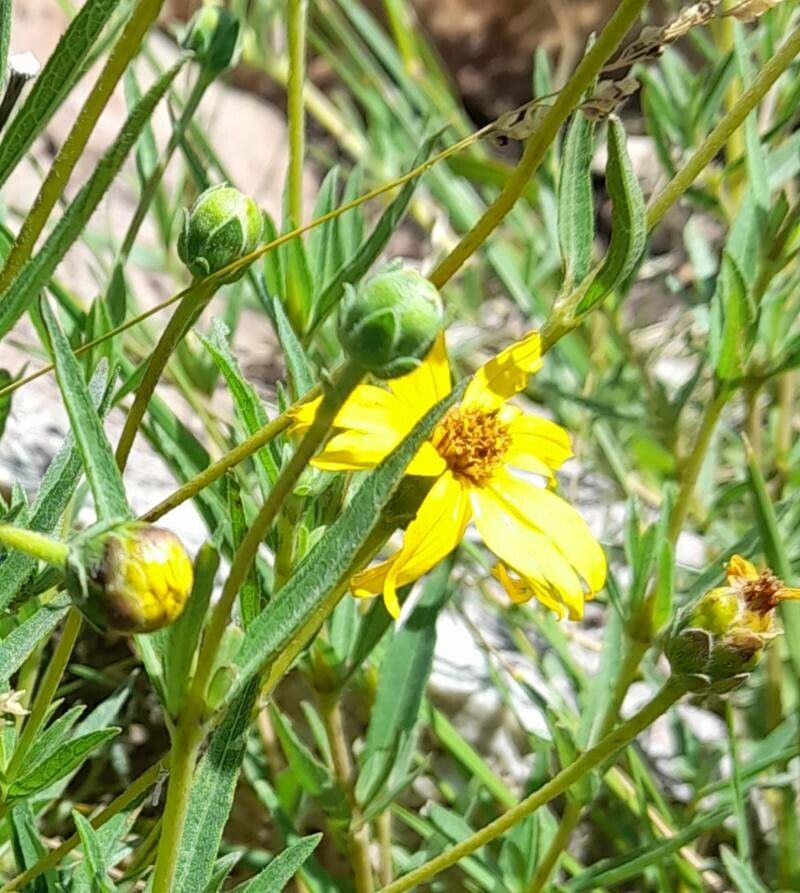
Propagating Acmella decumbens: The Joy and Challenges of Growing "Toothache Plant"
Acmella decumbens, commonly known as the toothache plant, is a captivating addition to any garden. This zesty, low-growing annual, belonging to the Asteraceae family, boasts vibrant yellow daisy-like flowers with a unique, numbing sensation when chewed. Its striking appearance and unusual properties have earned it a place in both ornamental and medicinal gardening circles, making successful propagation a rewarding, albeit sometimes challenging, endeavor. Its popularity amongst gardeners stems from its ease of care once established, combined with the fascinating novelty of its tingling flowers.
Seed Germination:
Currently, there are no known reliable methods for seed germination propagation of Acmella decumbens. While the plant produces seeds, germination rates are notoriously low, likely due to factors such as short seed viability and specific environmental requirements not yet fully understood. Further research is needed to determine the optimal conditions for successful seed germination of this species.
Cuttings:
Cuttings offer a much more reliable method for propagating Acmella decumbens.
- Challenges: While generally successful, rooting may be slower compared to other readily propagable plants. The success rate can be affected by environmental factors such as temperature and humidity.
- Practical Tips: Take stem cuttings, ideally 4-6 inches long, from healthy, actively growing stems. Remove lower leaves to prevent rotting. Dip the cut ends in a rooting hormone for enhanced success. Plant the cuttings in a well-draining propagation mix, keeping it consistently moist but not waterlogged. High humidity, provided by a propagator or plastic bag, significantly increases rooting success. Bottom heat can also speed up the process.
- Rewards: Cuttings provide a relatively quick and easy way to increase the number of plants, preserving the genetic characteristics of the parent plant. This is particularly useful for maintaining desirable traits such as flower color or size.
Division:
Division is a feasible propagation method for established Acmella decumbens plants.
- Challenges: This method is only possible once the plant has developed a substantial root system, limiting its usefulness for newly acquired or small plants. Care must be taken to avoid damaging the roots during division, which can hinder the survival of the divided portions.
- Practical Tips: Divide the plant in spring or early summer, carefully separating the root ball into smaller sections, each with its own healthy roots and stems. Replant the divisions immediately, ensuring each section is planted at the same depth as it was previously. Water thoroughly after planting.
- Rewards: Division provides a quick way to increase plant numbers and is less technically demanding than tissue culture, making it suitable for home gardeners.
Tissue Culture:
Tissue culture offers a potential method for large-scale propagation of Acmella decumbens.
- Challenges: Tissue culture is a more complex and expensive method requiring specialized equipment, sterile conditions, and a significant level of technical expertise. Developing optimal protocols for Acmella decumbens might require significant experimentation.
- Practical Tips: This method involves growing plantlets from small pieces of plant tissue in a nutrient-rich agar medium under sterile conditions. The success hinges on precise control of environmental variables and a thorough understanding of plant tissue culture techniques. Successful protocols will need to be developed specific to this plant.
- Rewards: Tissue culture allows for the rapid multiplication of plants, producing large quantities of genetically identical plants. It is particularly useful for conserving rare or threatened genotypes and ensuring disease-free stock.
Conclusion:
Propagating Acmella decumbens presents unique challenges and rewards. While seed germination remains unreliable, cuttings and division provide accessible methods for home gardeners to successfully increase their stock. Tissue culture offers a potential for mass propagation but requires specialized skills and resources. However, the satisfaction of nurturing a plant from a cutting, or successfully dividing a healthy specimen, is incomparable. The difficulties involved simply amplify the sense of accomplishment when successfully cultivating this fascinating plant, its unique tingling flowers a testament to your perseverance. Don’t be discouraged by initial setbacks; experimentation and careful observation are key to mastering the propagation of this rewarding plant. Embrace the challenge, and the tingling rewards will be well worth the effort.