
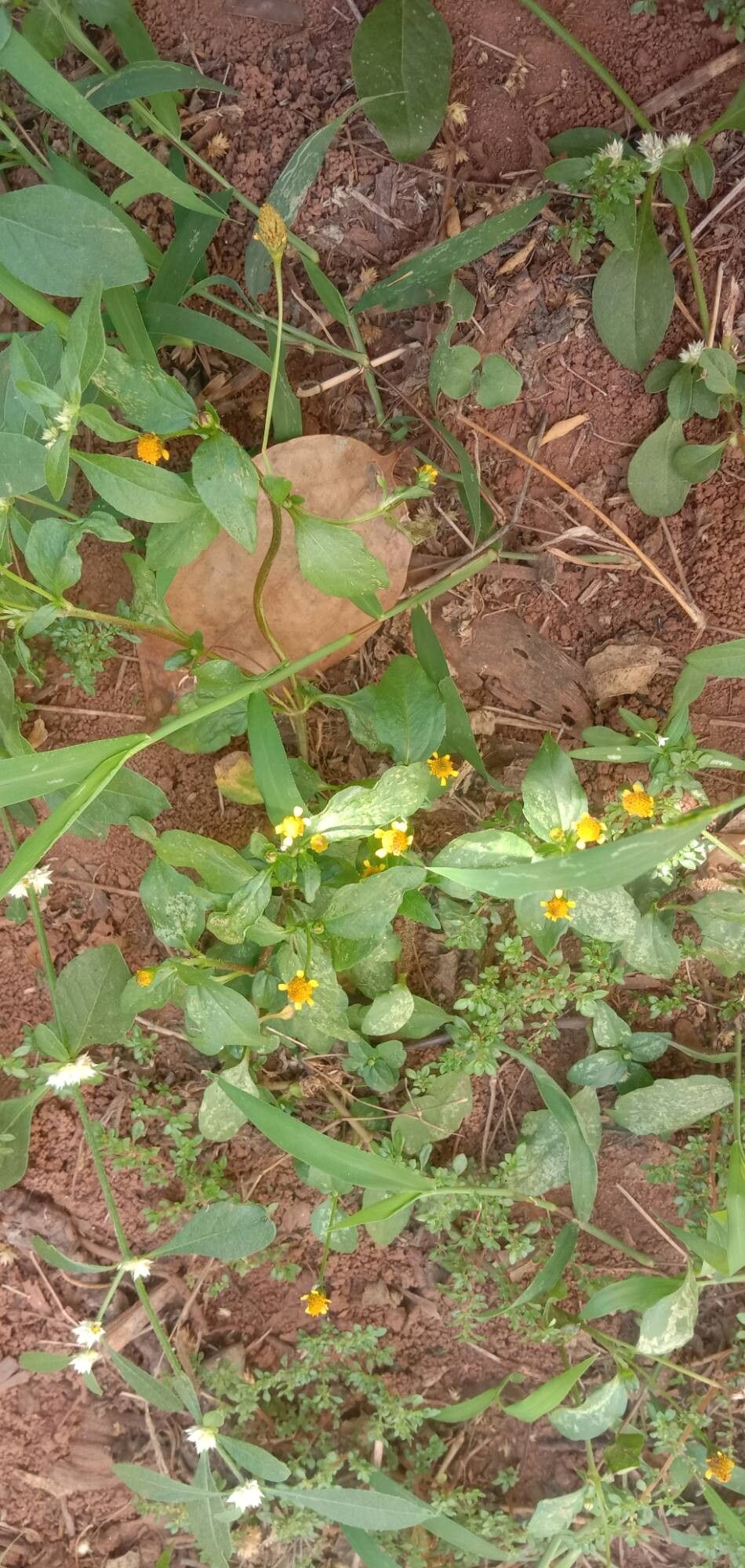
Propagating the Electric Daisy: A Guide to Growing Acmella uliginosa
Acmella uliginosa, also known as the electric daisy or buzz button, is a captivating annual herb prized for its unique tingling sensation when its flower buds are chewed. Its vibrant yellow flowers and attractive foliage make it a popular addition to both herb gardens and ornamental displays. However, propagating this intriguing plant can present some challenges. Its popularity among gardeners stems from its unusual culinary and medicinal uses, alongside its relatively low-maintenance nature once established. This guide explores various propagation methods, highlighting their successes and limitations.
Seed Germination:
Currently, there are no known reliable methods for seed germination propagation of Acmella uliginosa. While seed production occurs, the germination rate is extremely low, and successful germination under typical home conditions is rarely reported. The seeds appear to have specific and poorly understood requirements for germination, possibly involving complex environmental cues or dormancy-breaking mechanisms. Further research is needed to unlock the secrets of successful Acmella uliginosa seed germination.
Cuttings:
Cuttings offer a far more reliable method of propagating Acmella uliginosa.
- Challenges: While relatively straightforward, success relies on selecting healthy, actively growing stems. Using rooting hormone can improve the success rate, and preventing fungal diseases is crucial.
- Practical Tips: Take stem cuttings, approximately 4-6 inches long, from healthy plants during the growing season. Remove lower leaves to prevent rotting. Dip the cut end in rooting hormone and plant in a well-draining potting mix. Keep the cuttings consistently moist but not waterlogged, and provide bright, indirect light. A humidity dome or propagating mat can significantly increase success rates.
- Rewards: Cuttings offer a quicker and more reliable way to propagate compared to other methods, allowing for rapid expansion of existing stock. It preserves the genetic characteristics of the parent plant and is a readily accessible technique for home gardeners.
Division:
Division is another viable, albeit limited, method for propagating Acmella uliginosa.
- Challenges: This method is only suitable for established, mature plants with well-developed root systems. Dividing too early can damage the plant and hinder its growth.
- Practical Tips: Carefully dig up the mature plant and gently divide it into several sections, ensuring each division has healthy roots and shoots. Replant the divisions in well-prepared soil, maintaining adequate spacing. Water gently after planting.
- Rewards: Division allows for the rapid multiplication of a specific plant variety, preserving its genetic characteristics. It is a relatively simple technique, ideal for gardeners with existing Acmella uliginosa plants.
Tissue Culture:
Tissue culture offers the potential for large-scale, highly controlled propagation of Acmella uliginosa.
- Challenges: Tissue culture requires specialized equipment, sterile conditions, and expertise in plant tissue culture techniques. It is not a practical method for the average home gardener.
- Practical Tips: This method typically involves establishing aseptic cultures from plant explants (such as shoot tips or leaf sections) on nutrient-rich media under controlled environmental conditions. Regular subculturing and hormone manipulation are key to successful propagation and plant multiplication.
- Rewards: Tissue culture allows for rapid and large-scale propagation of genetically uniform plants. It is particularly useful for producing disease-free plants and for commercial applications.
Conclusion:
While seed propagation proves unreliable for Acmella uliginosa, cuttings and division offer practical and relatively easy approaches for the home gardener. Tissue culture presents a powerful option for large-scale propagation but requires significant resources and expertise. The challenge in propagating this fascinating plant only adds to the satisfaction of successfully nurturing it from a cutting or division. The tingling sensation of the flower buds, that unique "buzz," is a well-earned reward for the dedicated propagator. Don’t be discouraged by the initial challenges; with patience and care, anyone can enjoy the pleasure of cultivating this unique and rewarding plant.