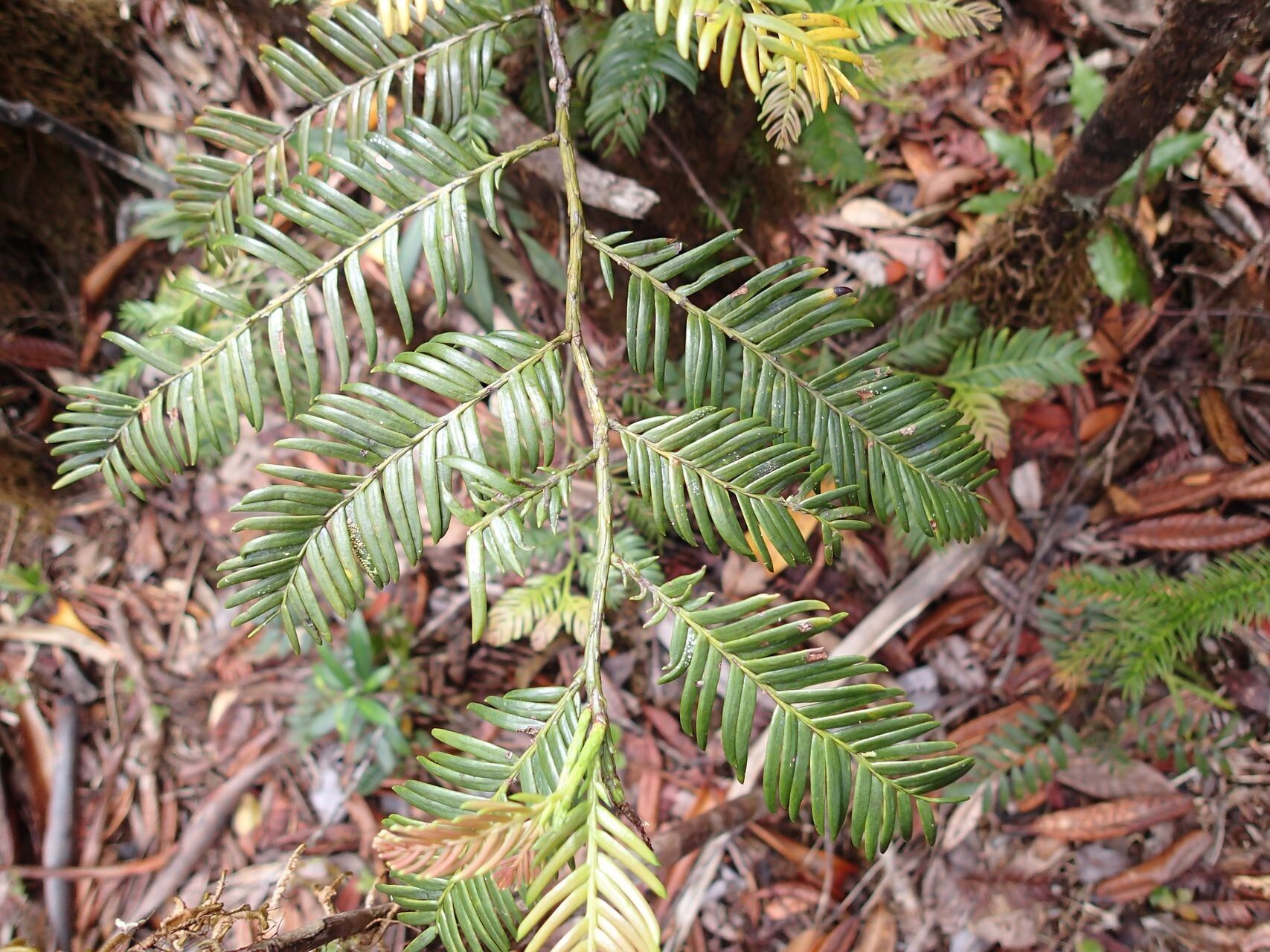
Propagating Acmopyle pancheri: A Conifer’s Challenge
Acmopyle pancheri, also known as the New Caledonia pine, is a rare and captivating conifer native to the mountainous regions of New Caledonia. Its distinctive, slender, and upward-reaching foliage, coupled with its slow growth habit, makes it a highly sought-after ornamental plant amongst discerning gardeners. However, propagating this species presents a unique set of challenges, making successful cultivation all the more rewarding. Its rarity contributes to its high value and makes propagating it a worthwhile endeavor for both botanical enthusiasts and horticultural professionals.
Seed Germination:
Currently, there are no known reliable methods for seed germination propagation of Acmopyle pancheri. While seeds may occasionally be produced, germination rates are extremely low, even under optimal conditions. Factors contributing to this difficulty likely include the plant’s specific environmental requirements in its native habitat and potential dormancy mechanisms yet to be fully understood. Further research into seed pretreatment techniques, such as stratification (chilling) and scarification, is needed to determine if viable germination is possible.
Cuttings:
Propagating Acmopyle pancheri via cuttings also presents significant difficulties. Success rates are generally very low. While some anecdotal evidence suggests that semi-hardwood cuttings taken in late summer or early autumn, treated with rooting hormone, and kept in a humid environment under mist might yield positive results, this method is far from reliable. Challenges include the slow rooting process and the high susceptibility of cuttings to fungal infections. Even with careful preparation and high humidity levels, the likelihood of success remains minimal.
Division:
Division is not a viable method for propagating Acmopyle pancheri. This species develops a strong taproot system, making the division of established plants impractical and highly likely to result in the death of both the parent plant and the separated sections.
Tissue Culture:
Tissue culture offers the most promising, albeit complex, method for propagating Acmopyle pancheri. This technique allows for the propagation of disease-free, genetically identical plants from small tissue samples. However, establishing a reliable tissue culture protocol for this species requires considerable expertise and specialized laboratory equipment. Variables such as the selection of appropriate growth media, hormone concentrations, and sterilization protocols must be meticulously optimized to achieve success. The high initial investment and ongoing technical demands limit the accessibility of this method to specialized nurseries and research facilities.
Conclusion:
Propagating Acmopyle pancheri, regardless of the method attempted, presents substantial challenges. Seed germination is currently considered unreliable, cuttings offer only a slim chance of success, division is impossible, and tissue culture, while potentially the most fruitful approach, requires specialized knowledge and resources. The rewards, however, are substantial. Successfully propagating this rare and beautiful conifer offers a significant contribution to its conservation and allows the sharing of this unique plant with other enthusiasts. The difficulties only serve to enhance the sense of accomplishment derived from cultivating this species. For aspiring propagators, patience, persistence, and potentially collaboration with research institutions or experienced horticulturalists are key to success. The journey itself, though challenging, offers a unique opportunity to deepen one’s understanding of this fascinating plant and its demanding propagation requirements.