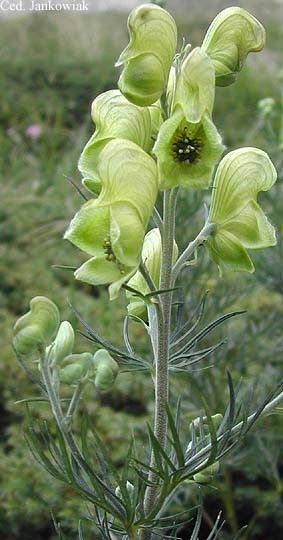
Propagating Aconitum anthora: A Gardener’s Challenge and Triumph
Introduction:
Aconitum anthora, also known as the Yellow Wolfsbane or Northern Wolfsbane, is a striking herbaceous perennial prized for its vibrant yellow flowers and unique, somewhat architectural foliage. While its beauty captivates gardeners, its propagation presents a significant challenge. This article explores various methods, weighing their feasibility and highlighting the rewards for successful cultivation of this fascinating, yet notoriously difficult-to-propagate, plant. Its inherent difficulties add to the satisfaction experienced by those who successfully establish new plants from existing stock.
Seed Germination:
Currently, there are no known reliable methods for seed germination propagation of Aconitum anthora. While seeds may be produced, their germination rate is exceptionally low, often proving unsuccessful even with specialized techniques like stratification (a period of cold, moist storage to break dormancy). The unpredictable and generally poor germination success makes seed propagation impractical for most gardeners.
Cuttings:
Propagating Aconitum anthora from cuttings presents similar challenges. While stem cuttings are occasionally attempted, the success rate remains extremely low. The plant’s physiology makes it resistant to rooting. Even with the use of rooting hormones and high humidity environments, the likelihood of successful rooting is minimal. Therefore, this method is not recommended for the average gardener.
Division:
Division is the most reliable method for propagating Aconitum anthora. However, it’s still not without its difficulties. The plant forms a dense clump of rhizomes, making careful separation challenging. Rough handling can damage the rhizomes, leading to the death of both parent and offspring plants.
- Challenges: Successfully dividing Aconitum anthora requires patience and a delicate touch. The rhizomes are brittle and easily damaged. Improper division can lead to plant failure.
- Practical Tips: Division is best undertaken in early spring or autumn when the plant is dormant. Use a sharp, clean knife or spade to carefully separate the rhizomes, ensuring each division has healthy roots and shoots. Plant the divisions immediately into well-prepared, moist soil. Protect the new plants from extreme weather conditions until they establish themselves.
- Rewards: Division offers a relatively high success rate compared to other methods, allowing for the increase of existing plant stocks. It is also a quicker method than the other alternatives.
Tissue Culture:
Tissue culture is a technically advanced method requiring specialized equipment and expertise. While potentially successful, it is not a practical option for most home gardeners due to the cost and specialized knowledge required. Research on the effectiveness of tissue culture for Aconitum anthora is limited, making it difficult to assess its viability.
Conclusion:
Propagating Aconitum anthora is undoubtedly challenging. While seed germination and cuttings offer little promise, division stands out as the most practical approach for the average gardener, albeit one requiring a delicate and patient hand. Tissue culture remains a possibility but requires specialized resources and skills.
The difficulty in propagating this plant only adds to the significant sense of accomplishment experienced when one finally achieves success. The vibrant yellow blooms of Aconitum anthora serve as a worthy reward for the dedication and perseverance required in its cultivation. Aspiring propagators should prioritize learning meticulous division techniques and be prepared for some setbacks. With persistence and careful handling, the unique beauty of this plant can be enjoyed in your garden for years to come.