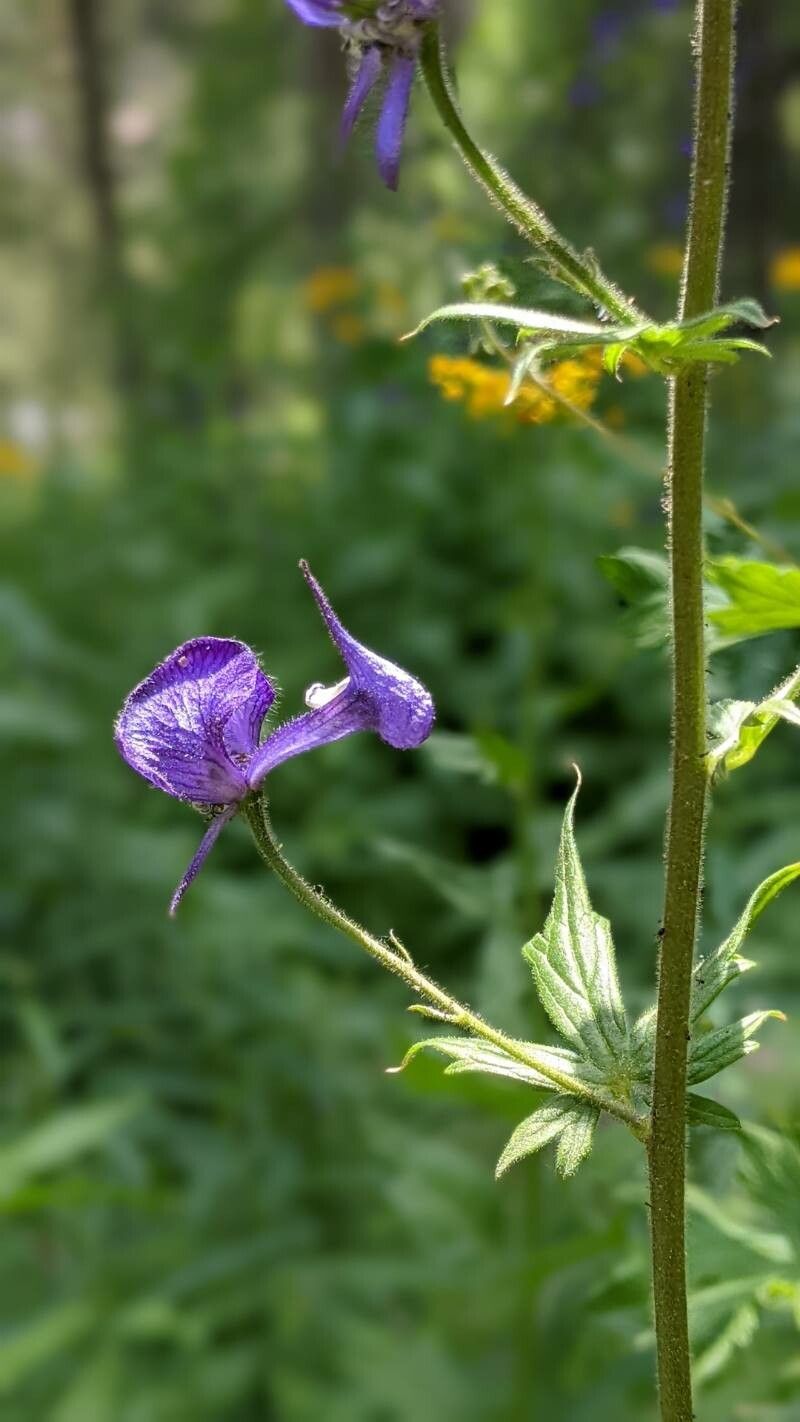
Propagating Aconitum columbianum: The Challenges and Rewards of Cultivating Western Monkshood
Introduction:
Aconitum columbianum, commonly known as Western Monkshood, is a striking perennial native to western North America. Its tall, elegant spires of deep blue or purplish-blue hooded flowers command attention in the garden, making it a prized possession among plant enthusiasts. However, its beauty is matched by its toxicity; all parts of the plant contain potent alkaloids, demanding careful handling. This inherent toxicity also impacts propagation strategies, making success a rewarding but challenging endeavor. The plant’s popularity stems not only from its visual appeal but also its value in ecological restoration projects and its role in traditional medicinal practices (though its toxicity necessitates experienced handling and professional knowledge for any such use).
Seed Germination:
Seed germination of Aconitum columbianum is notoriously challenging. While viable seeds are produced, their germination rate is often low and unpredictable. The primary challenge lies in the seeds’ requirement for stratification – a period of cold, moist treatment that mimics winter conditions necessary to break dormancy.
Challenges: Many seeds will fail to germinate even with stratification, resulting in low germination rates. Precision is crucial; too much moisture can lead to rot, while too little inhibits germination.
Practical Tips: Soak seeds for 24 hours in lukewarm water before sowing. Stratify seeds for at least 8-12 weeks at temperatures between 33°F and 41°F (0-5°C) in moist vermiculite or peat moss. Sow seeds thinly on the surface of a well-draining seed starting mix. Maintain consistent moisture but avoid overwatering. Keep in a cool, bright location.
Rewards: Successfully germinating Aconitum columbianum from seed offers the opportunity to introduce genetic diversity into your garden and potentially propagate large numbers of plants over time.
Cuttings:
Cuttings are another challenging but potentially rewarding method.
Challenges: Aconitum columbianum is not readily propagated from cuttings. The success rate is generally low due to the difficulty in rooting stems. The high risk of fungal infections also poses a problem.
Practical Tips: Softwood cuttings taken in early summer may offer the highest chance of success. Use a rooting hormone and create high humidity conditions after planting the cuttings in a well-draining medium. A propagation chamber or a plastic bag over the cuttings can help maintain consistent humidity.
Rewards: If successful, cuttings can provide genetically identical plants to the mother plant, maintaining desirable traits.
Division:
Division is a relatively more successful method compared to seed germination or cuttings.
Challenges: Division should be done during dormancy, usually in early spring or late autumn. Dividing the root clumps too early or too late can impact plant health. The plant requires careful handling because of its brittle roots.
Practical Tips: Carefully dig up the established plant and gently separate the root clumps, ensuring each section has healthy roots and shoots. Replant immediately in well-drained soil, ensuring adequate spacing between the divisions.
Rewards: Division offers a relatively high success rate and is a quicker method of increasing plant numbers compared to seed propagation.
Tissue Culture:
Tissue culture is a sophisticated method not commonly used for home propagation of Aconitum columbianum.
Challenges: Tissue culture requires specialized equipment, sterile conditions, and expertise in plant tissue culture techniques. It’s expensive and labor-intensive.
Practical Tips: This method is best left to professional nurseries or research facilities with the necessary resources and expertise.
Rewards: Tissue culture allows for large-scale propagation and the potential for disease-free plants.
Conclusion:
Propagating Aconitum columbianum presents unique challenges across all methods. Seed germination offers genetic diversity but low success rates, cuttings are difficult to root, while division offers a higher chance of success. Tissue culture is a viable option but requires advanced expertise and resources. Despite these difficulties, the rewards of successfully cultivating this stunning plant are significant. The perseverance required strengthens the connection with the plant and the sense of accomplishment is immense. If you choose to embark on this endeavor, remember patience, precision, and meticulous attention to detail are your greatest allies. Start with division if you are a beginner and don’t be discouraged by initial setbacks; the beauty and rarity of Western Monkshood make the effort worthwhile.