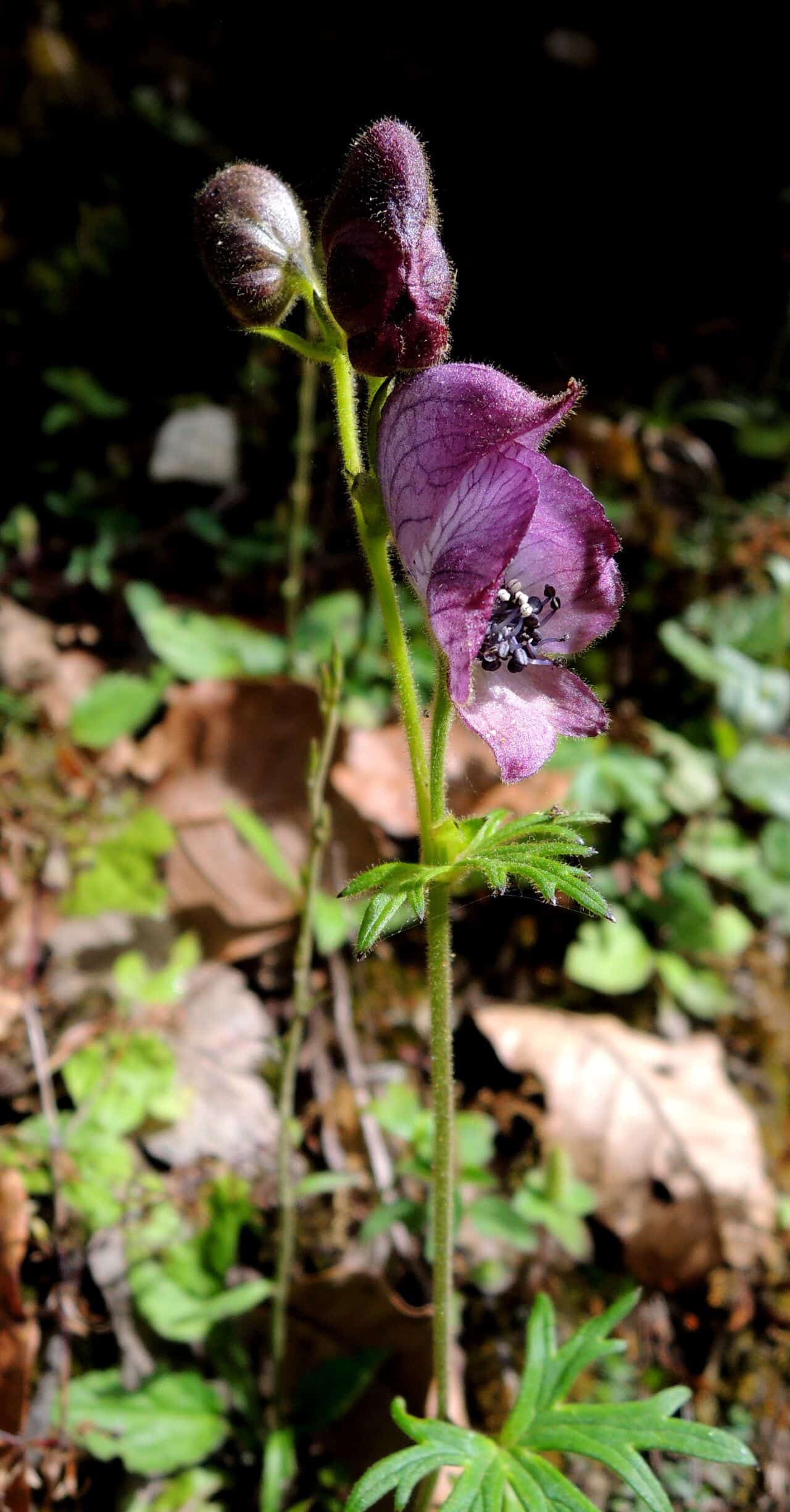
Propagating Aconitum poluninii: A Gardener’s Challenge
Introduction:
Aconitum poluninii, also known as Polunin’s Monkshood, is a striking and rare member of the Aconitum genus. This herbaceous perennial boasts intensely beautiful, usually dark blue, hooded flowers, making it a highly sought-after plant among specialist gardeners. Its relative rarity and restricted natural distribution contribute to its horticultural significance, adding to its allure and the challenge of propagation. However, its toxicity demands cautious handling, requiring gloves and careful consideration during all propagation methods.
Seed Germination:
Currently, there are no known reliable methods for seed germination propagation of Aconitum poluninii. While some Aconitum species readily germinate, this particular species presents significant challenges, potentially related to its specialized ecological niche and/or seed dormancy mechanisms. Further research is needed to determine if specific pre-treatments (such as extended stratification periods under various temperature and moisture regimes) could improve germination success.
Cuttings:
Propagating Aconitum poluninii from cuttings presents considerable challenges. Success rates are generally low.
Challenges: Aconitum cuttings are notoriously difficult to root. The high susceptibility to fungal diseases and the plant’s general sensitivity make this method problematic.
Practical Tips: Basal cuttings taken in early spring, treated with a rooting hormone, and kept in a humid environment with bottom heat might offer a small chance of success, although results are unlikely to be high.
Rewards: Successful propagation through cuttings would offer a faster multiplication rate than division for a limited number of plants.
Division:
Division is a potentially more reliable method for propagating Aconitum poluninii than cuttings or seed.
Challenges: The plant’s slow growth and clump-forming habit mean division can only be undertaken every few years, and obtaining sufficient divisions for large-scale propagation remains limited. Care must be exercised to avoid damaging the delicate root system.
Practical Tips: Division should be carried out in early spring or autumn, when the plant is dormant. Ensure each division has a healthy portion of roots and several growing points. Replant immediately into well-drained, fertile soil.
Rewards: Division offers a higher success rate compared to cuttings and provides a quicker way to increase plant numbers than seed propagation (assuming viable seed could be sourced).
Tissue Culture:
Tissue culture offers the greatest potential for large-scale propagation of Aconitum poluninii.
Challenges: Developing a successful tissue culture protocol for this species requires specialized expertise and laboratory facilities. Optimizing nutrient media, sterilization techniques, and growth regulators are critical for success. The toxicity may necessitate extra safety precautions.
Practical Tips: Finding a specialist tissue culture laboratory experienced with difficult-to-propagate plants is crucial. The cost of this method is considerably higher compared to the other techniques.
Rewards: Tissue culture allows for the rapid multiplication of a selected, desirable parent plant, leading to genetically uniform offspring and large-scale propagation capabilities.
Conclusion:
Propagating Aconitum poluninii presents a notable horticultural challenge. While division offers the most realistic approach for gardeners, its relatively slow rate of multiplication restricts its widespread cultivation. Cuttings and seed propagation remain largely unreliable. Tissue culture holds the greatest promise for significantly increasing plant numbers, but requires specialized resources and expertise. Despite the difficulties, the reward of successfully nurturing this exquisite plant from a cutting, division or – should it ever be achievable – seed, is immense. The unique beauty of Polunin’s Monkshood, combined with the satisfaction of overcoming the challenges, makes it a truly rewarding endeavor for the determined and patient gardener. Persistence, meticulous attention to detail, and a willingness to experiment are key to achieving success in propagating this fascinating, yet elusive, species.