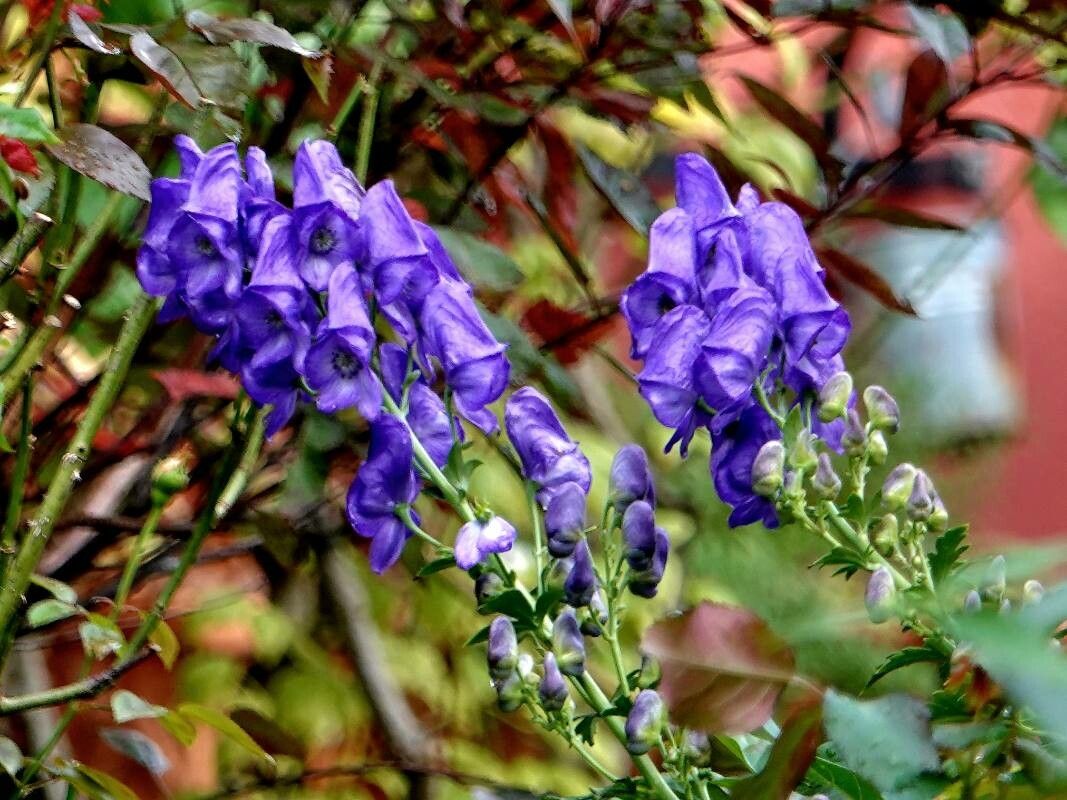
Propagating Aconitum variegatum: A Gardener’s Guide to the Variegated Monkshood
Aconitum variegatum, commonly known as variegated monkshood, is a striking herbaceous perennial prized for its elegantly hooded, variegated flowers. These flowers, typically a deep blue to purplish-blue with lighter markings, bloom in summer, adding a touch of sophisticated elegance to borders and shade gardens. Its popularity amongst gardeners is due to its dramatic blooms and tolerance of partial shade, making it a valuable asset in diverse garden settings. However, propagating this species presents unique challenges, making successful propagation a rewarding endeavor for the dedicated gardener.
Seed Germination:
Currently, there are no known reliable methods for seed germination propagation of Aconitum variegatum. While seeds may be produced, germination rates are notoriously low and inconsistent, even with stratification techniques often employed with other Aconitum species. The unpredictable germination makes this method impractical for most garden enthusiasts.
Cuttings:
Cuttings represent a more promising approach to propagating Aconitum variegatum.
Challenges: Rooting cuttings of Aconitum can be challenging. The success rate hinges on several factors, including the timing (ideally early spring or late summer), the use of rooting hormone, and maintaining consistently high humidity. The cuttings are susceptible to fungal diseases if not managed carefully.
Practical Tips: Take semi-hardwood cuttings from new growth in early summer. Use a sharp knife or shears to make clean cuts, removing lower leaves to prevent rot. Treat the cut ends with a rooting hormone powder before planting in a well-draining, moist propagation mix under a humidity dome or cloche. Consistent misting and bottom heat will promote rooting.
Rewards: While more reliable than seed germination, success is not guaranteed. Cuttings offer the advantage of maintaining the exact characteristics of the parent plant.
Division:
Division is arguably the most straightforward and commonly used method for propagating Aconitum variegatum.
Challenges: The plant needs to be established and sufficiently large to be divided effectively. Divisions should be large enough to ensure the survival of each piece. The timing is crucial – ideally done during dormancy (late autumn or early spring) to minimise stress on the plant.
Practical Tips: Carefully dig up the mature plant, gently separating the root clump into sections ensuring each division has healthy roots and shoots. Replant immediately in a well-prepared soil, keeping the crowns slightly above the soil surface. Water thoroughly.
Rewards: This method provides a high success rate and quick establishment of new plants, retaining the characteristics of the mother plant. It is the most reliable way to increase your stock of A. variegatum.
Tissue Culture:
Tissue culture is a more complex and specialized method, requiring a laboratory setting and sterile procedures.
Challenges: This method necessitates specialized equipment, aseptic conditions, and expertise in plant tissue culture techniques. It is not a practical propagation method for the average home gardener.
Practical Tips: This method is best left to professionals or specialized laboratories equipped to handle the complexities of creating sterile cultures and maintaining proper growth conditions for the plant explants.
Rewards: Tissue culture offers the potential for large-scale propagation and the elimination of diseases, but its cost and technical sophistication make it unfeasible for home gardeners.
Conclusion:
Propagating Aconitum variegatum presents different challenges depending on the method chosen. While seed germination is largely unreliable, cuttings offer a moderately successful approach for the dedicated gardener. Division, however, remains the most practical and successful method for the average gardener, offering a balance of reliability and ease of implementation. Tissue culture, though potentially very effective, is not practical for most home situations.
The rewards of successfully propagating this stunning plant are considerable. The unique satisfaction comes not just from the beautiful flowers that grace your garden, but also from overcoming the challenges inherent in its propagation. If you’re willing to invest the time and effort, mastering even one of these methods will bring immense gratification, reminding you of the perseverance required to nurture and multiply the beauty of this magnificent plant. Start with division, and if you have a good deal of experience and a well-organised set-up, consider cuttings as a next step. Remember patience and careful attention to detail are key to success.