Propagating the Wilcoxiana Acronychia: A Gardener’s Guide
Introduction:
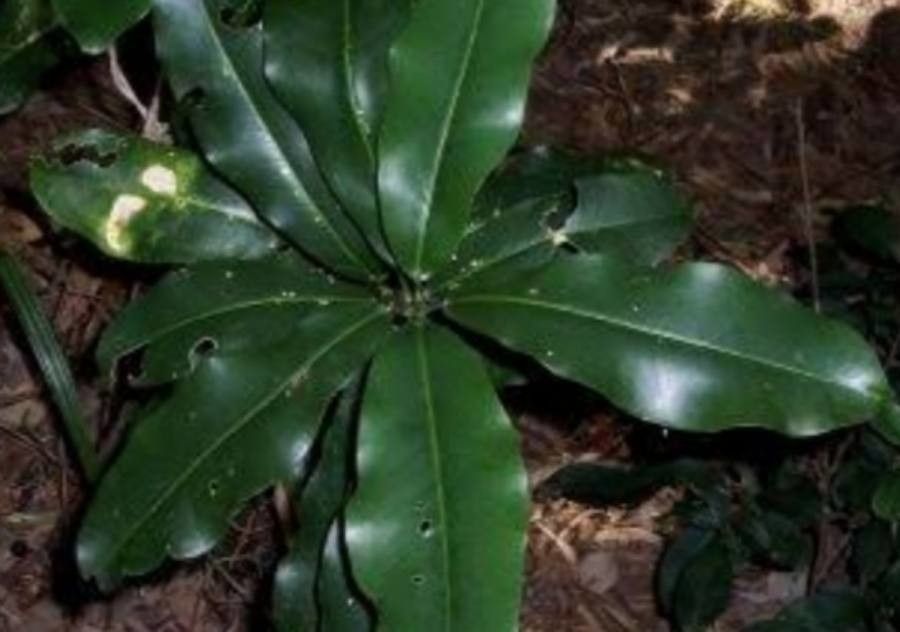
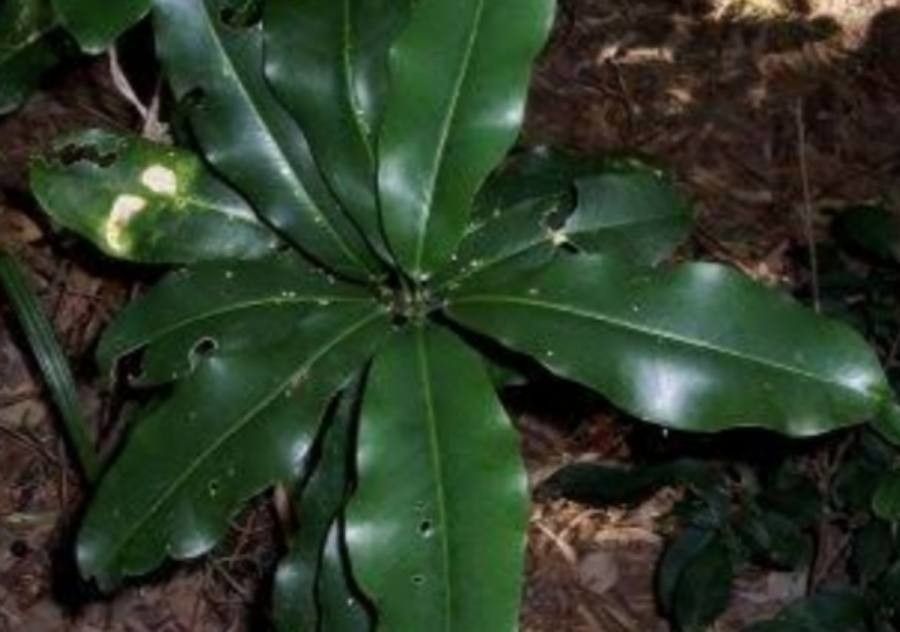
Acronychia wilcoxiana, commonly known as Wilcox’s Acronychia or sometimes simply as Acronychia, is a relatively underrepresented but increasingly popular Australian native shrub prized for its glossy, aromatic foliage and attractive, small white flowers. Its relatively compact size and adaptability make it a desirable addition to gardens, particularly those aiming for a naturalistic or rainforest-style aesthetic. However, propagation can present some challenges, making successful cultivation all the more rewarding. The unique aspects of its propagation lie in its notoriously difficult seed germination and the need for specialized techniques for other methods.
Seed Germination:
Currently, there are no known reliable methods for seed germination propagation of Acronychia wilcoxiana. Extensive research has yet to yield consistent success in germinating seeds of this species. Further investigation into seed viability, potential dormancy mechanisms, and optimal germination conditions is needed.
Cuttings:
Cuttings offer a more promising avenue for propagating Acronychia wilcoxiana. However, challenges remain.
Challenges: Rooting success rates can be low due to the plant’s relatively slow growth and potential susceptibility to fungal diseases.
Practical Tips: Semi-hardwood cuttings taken in late spring or early summer, treated with a rooting hormone, and planted in a well-draining, moist propagation mix under humid conditions offer the best chance of success. Misting regularly is crucial to maintain humidity. Propagation under mist or in a humidity dome significantly improves survival rates.
Rewards: Cuttings provide a faster method of propagation than other options, guaranteeing a clone of the parent plant’s desirable traits. This is particularly beneficial if the parent plant exhibits unique characteristics.
Division:
Division is generally not a practical method for propagating Acronychia wilcoxiana. This shrub generally doesn’t produce readily divisible root systems. Attempting division could severely damage the plant.
Tissue Culture:
Tissue culture offers potential, although it requires specialized equipment and expertise.
Challenges: Establishing a sterile culture and optimizing media composition for Acronychia wilcoxiana specifically would necessitate significant experimentation. This method is typically more expensive and intensive than cuttings.
Practical Tips: Successful tissue culture would involve taking small, healthy explants from the plant and cultivating them in a sterile nutrient medium under controlled conditions.
Rewards: Tissue culture allows for rapid, large-scale propagation of genetically identical plants, preserving rare or desirable cultivars.
Conclusion:
Propagating Acronychia wilcoxiana presents unique challenges across all methods. While seed germination currently appears unfeasible, cuttings offer the most realistic approach for the average gardener, albeit with a need for patience and attention to detail. Tissue culture holds potential for larger-scale propagation but requires specialized knowledge and resources. The difficulties involved only serve to enhance the satisfaction derived from successfully cultivating this beautiful Australian native. The journey of propagation itself, from overcoming initial setbacks to witnessing the emergence of new plants from cuttings, is a testament to the gardener’s perseverance and connection with nature. Aspiring propagators should remain patient, meticulously follow recommended techniques, and celebrate the small victories along the way. The rewards of adding this unique shrub to your garden are well worth the effort.