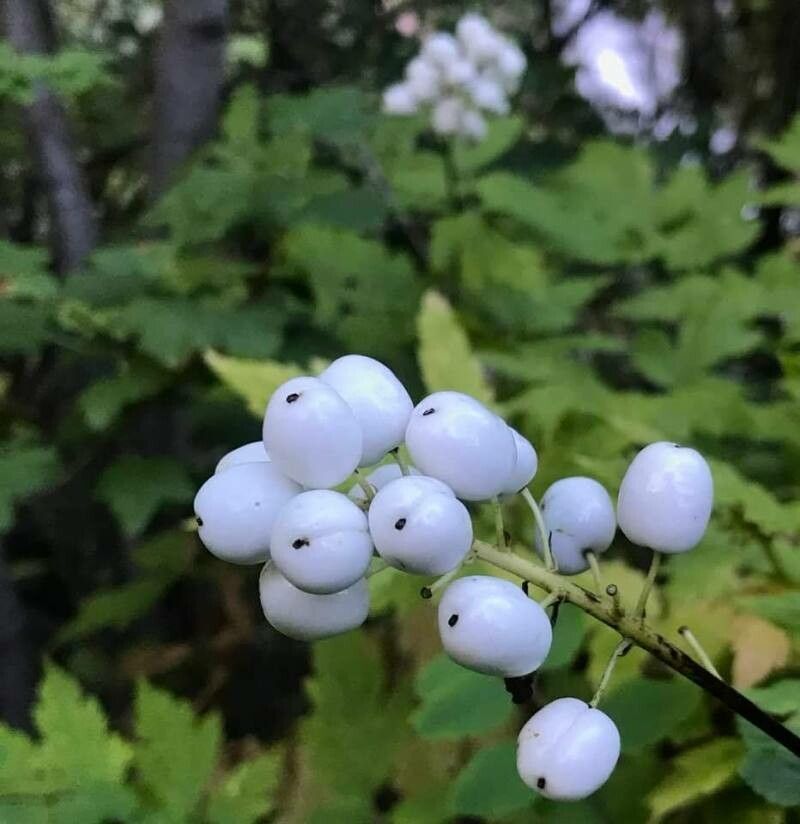
Propagating Actaea pachypoda: Cultivating the Doll’s Eyes
Actaea pachypoda, commonly known as Doll’s Eyes, is a captivating herbaceous perennial prized for its striking white berries resembling – you guessed it – doll’s eyes. These berries, while visually stunning, are toxic, adding a touch of intrigue to this otherwise charming woodland plant. Its delicate foliage and elegant flower spikes further enhance its appeal to gardeners seeking a unique and slightly edgy addition to their shady borders. The plant’s relative ease of maintenance, once established, contributes to its popularity, whereas propagation presents a more significant challenge.
Seed Germination:
Currently, there are no known reliable methods for seed germination propagation of Actaea pachypoda. While seeds may be produced, their dormancy and germination requirements are poorly understood, resulting in extremely low success rates for home gardeners and even commercial growers. Further research is needed to elucidate the optimal conditions for successful germination.
Cuttings:
Propagating Actaea pachypoda from cuttings presents significant challenges. Softwood cuttings taken in early summer have shown some, but limited, success rates. The challenges lie in the plant’s tendency towards rotting before rooting and the requirement for high humidity and careful management of fungal diseases.
Challenges: High humidity is crucial, typically requiring a propagation chamber or humidity dome. The use of rooting hormone and a sterile, well-draining propagation mix is essential. Frequent monitoring for fungal infections is necessary, and prompt treatment with fungicide may be required.
Practical Tips: Use a sharp, sterile knife or shears to take cuttings approximately 4-6 inches long, removing lower leaves. Dip the cut end in rooting hormone before inserting them into a well-draining mix. Maintain consistently high humidity and bottom heat.
Rewards: Successful rooting from cuttings offers the opportunity to clone desirable plants, ensuring the perpetuation of specific traits like flower color or plant size.
Division:
Division is arguably the most reliable method for propagating Actaea pachypoda.
Challenges: This method is best undertaken in early spring or autumn when the plant is dormant. Divisions must be large enough to contain sufficient roots and crown tissue to ensure viability. Care must be taken to avoid damaging the root system, which can lead to setbacks in growth or even plant death.
Practical Tips: Carefully dig up the mature plant. Gently separate the root ball into several divisions, each with its own set of roots and actively growing buds. Replant the divisions immediately, ensuring adequate spacing and soil moisture.
Rewards: Division is relatively quick and simple compared to other methods, allowing for the easy increase in the number of plants. It leverages the established root system, leading to faster establishment of new plants.
Tissue Culture:
Tissue culture offers potential for large-scale propagation of Actaea pachypoda, but this method requires specialized equipment, sterile conditions and expertise.
Challenges: This method is expensive and requires specific laboratory equipment and aseptic techniques. The optimization of culture media and growth regulators remains an area for further research.
Practical Tips: Not applicable for the home propagator. This method is best left to specialist nurseries and laboratories.
Rewards: Tissue culture allows for mass production of genetically identical plants, opening up opportunities for commercial production and conservation efforts.
Conclusion:
Propagating Actaea pachypoda presents a fascinating yet challenging endeavor. While division offers the most accessible and reliable method for the home gardener, understanding the limitations of seed germination and cuttings highlights the importance of careful technique and patience. Tissue culture offers potential for commercial applications but comes with its own set of complexities. The inherent difficulties in propagation, however, only amplify the sense of achievement derived from successfully cultivating this uniquely beautiful plant. Don’t be discouraged by initial setbacks. Persistence, meticulous attention to detail, and careful observation are key to successfully propagating Doll’s Eyes and reaping the reward of their hauntingly beautiful presence in your garden.