Propagating Actinidia arguta: A Gardener’s Guide to the Hardy Kiwi
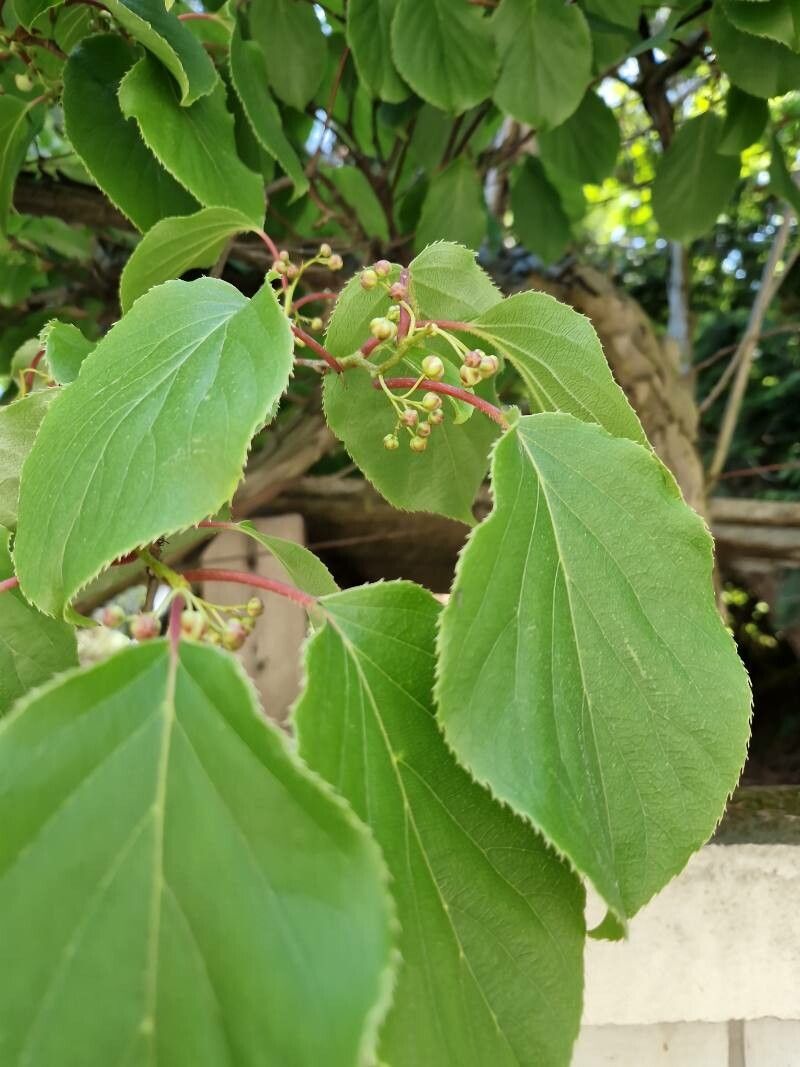
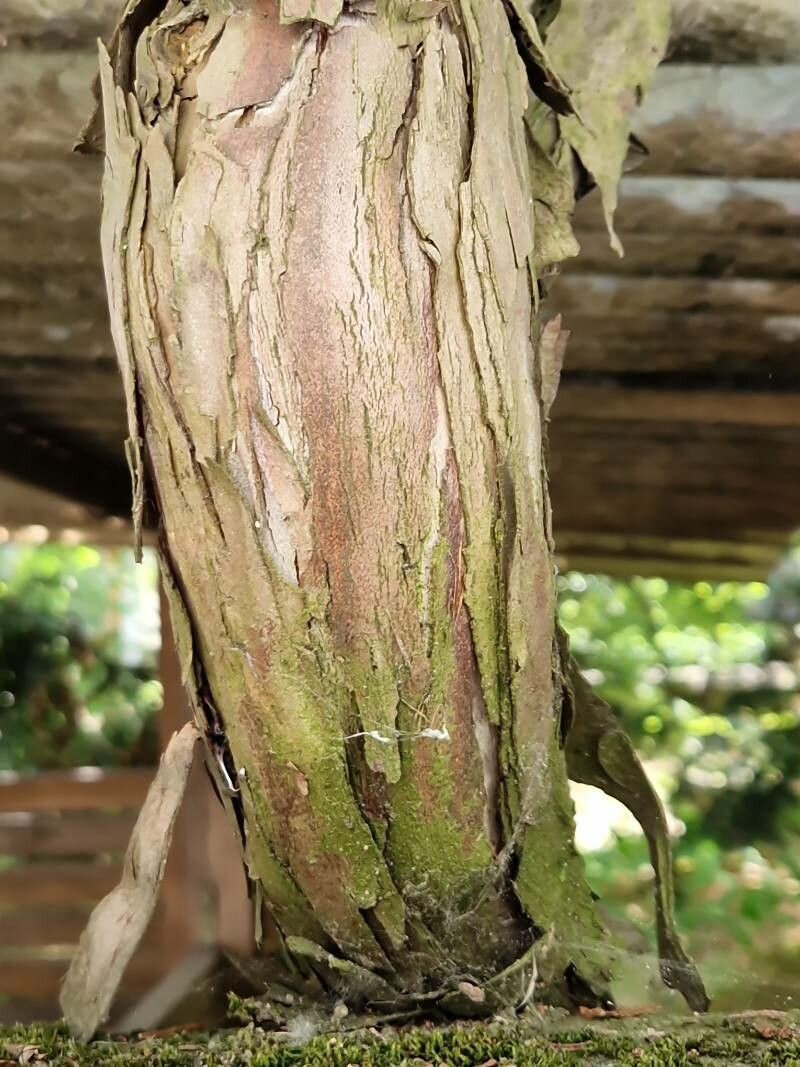
Actinidia arguta, commonly known as hardy kiwi, is a vigorous, deciduous vine prized for its delicious, small, fuzzy fruits and its relatively easy cultivation in temperate climates. Its adaptability, hardiness, and prolific fruiting make it increasingly popular among home gardeners, though propagation can present some challenges. Unlike its larger cousin, the fuzzy kiwi (Actinidia deliciosa), hardy kiwi boasts self-fertile varieties, simplifying fruit production for those with limited space. However, propagating this rewarding plant requires understanding the nuances of several different techniques.
Seed Germination:
Seed germination of Actinidia arguta is possible, but it’s far from straightforward and offers a low success rate for the average gardener. The primary challenge lies in the significant dormancy period of the seeds. They require stratification—a period of cold, moist treatment—to break dormancy and stimulate germination.
Challenges: Low germination rates, inconsistent results, and a long time to fruiting maturity (potentially several years). Seedlings are also genetically variable, meaning the resulting plants might not perfectly replicate the parent plant’s desirable traits.
Practical Tips: Seeds should be collected from ripe fruit, cleaned, and then stratified for 90-120 days at temperatures close to 4°C (39°F) in a moist medium such as vermiculite or peat moss. After stratification, sow seeds in a well-draining seed-starting mix, keeping them moist and warm (around 20-25°C or 68-77°F). Maintain high humidity.
Rewards: High genetic diversity within the resulting seedlings offers the potential for finding unique and potentially superior cultivars. Seed germination is also a viable method for large-scale propagation, though requiring significantly more space and time investment than other methods.
Cuttings:
Propagating Actinidia arguta from cuttings is a more reliable method than seed germination. Both softwood and hardwood cuttings can be used, offering flexibility depending on the season.
Challenges: Success rates vary depending on the cutting method, the timing, and the quality of the cuttings. Proper rooting hormones and environmental conditions are crucial.
Practical Tips: Softwood cuttings (taken in spring from new growth) generally root more readily than hardwood cuttings (taken in late autumn or winter). Use a rooting hormone and plant cuttings in a well-draining propagation mix under high humidity. Mist regularly to maintain moisture.
Rewards: Cuttings generate plants that are genetically identical to the parent plant, preserving desirable traits. This method is faster than seed germination, resulting in fruiting plants sooner.
Division:
Division of established Actinidia arguta plants is relatively straightforward but limited by the size and age of the parent plant.
Challenges: Only mature plants with well-developed root systems can be divided effectively. Damage to the roots might hamper the success of the division.
Practical Tips: Divide established plants in early spring or late autumn. Ensure each division has sufficient roots and healthy shoots. Plant divisions in well-prepared soil, keeping them well-watered until established.
Rewards: Relatively quick and easy propagation method for mature plants. Division produces plants that are genetically identical to the parent.
Tissue Culture:
Tissue culture is a highly specialized propagation method suitable for large-scale production.
Challenges: Requires specialized equipment, sterile conditions, and expertise. It’s a costly and technically demanding process, typically unsuitable for home gardeners.
Practical Tips: This method necessitates a laboratory setting and specific knowledge of plant tissue culture techniques.
Rewards: The potential for rapid and mass propagation of disease-free, genetically uniform plants.
Conclusion:
Propagating Actinidia arguta presents diverse challenges and rewards depending on the chosen method. Seed germination, while offering genetic diversity, has low success rates. Cuttings provide a more reliable method for the home gardener, offering genetically identical plants with faster fruiting. Division is a feasible option for established plants, while tissue culture remains a specialized large-scale approach. The unique satisfaction of successfully cultivating this delicious and productive vine stems from navigating its propagation challenges. For aspiring propagators, starting with cuttings offers the most accessible pathway to success, providing a rewarding journey toward enjoying the bountiful harvest of homegrown hardy kiwi. Remember patience and meticulous attention to detail are key in achieving successful propagation.