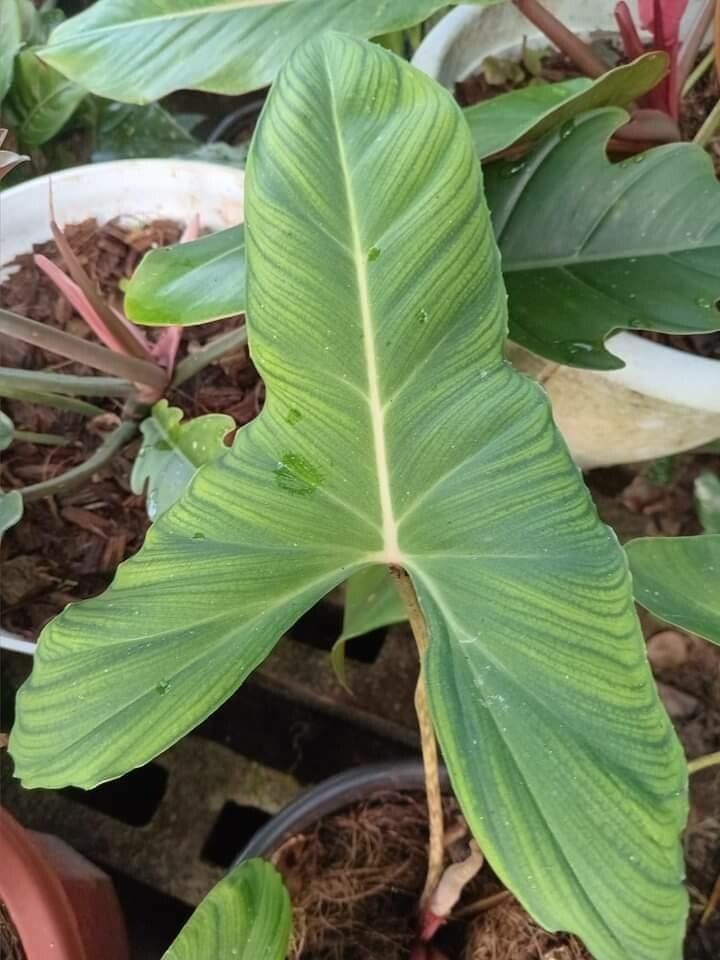
Propagating the Hairy Adelonema: A Guide to Cultivating Adelonema crinipes
Adelonema crinipes, often called the hairy Adelonema due to its distinctive hairy leaves and stems, is a captivating aroid prized for its unique aesthetic qualities. Its velvety foliage, often exhibiting a dark green to almost black hue, and its intriguing inflorescence create a dramatic presence in any collection. This relative newcomer to the popular houseplant world is gaining popularity amongst plant enthusiasts, but propagating it can present some interesting hurdles. This guide explores various propagation methods for Adelonema crinipes, outlining the challenges and rewards of each.
Seed Germination:
Currently, there are no known reliable methods for seed germination propagation of Adelonema crinipes. While the plant does produce seeds, their viability and germination rates in cultivation are extremely low, making this method impractical for most hobbyists. Research into optimizing germination conditions is needed before this becomes a viable option.
Cuttings:
Challenges: Adelonema crinipes, like many aroids, can be slow to root from cuttings. Rot is a significant risk, especially during the rooting phase. The thick stems also tend to be less readily prone to root formation than thinner stemmed species.
Tips: Stem cuttings, taken from healthy, actively growing stems, are the most likely to succeed. Use a sharp, sterile blade to make clean cuts. Hormone rooting powder can significantly improve success rates. Propogation should ideally be done in a humid environment with bottom heat in a well-draining, sterile medium such as perlite or a mix of perlite and sphagnum peat moss. Avoid overwatering, and ensure good air circulation around the cuttings to prevent rot. Misting regularly helps maintain humidity.
- Rewards: Successful propagation from cuttings offers a relatively straightforward method for multiplying a desirable plant, preserving its exact genetic characteristics.
Division:
Challenges: Division is only feasible when the plant is mature and has developed substantial rhizomes, making it unsuitable for smaller specimens. Care must be taken to avoid damaging the delicate roots during the division process. Each section needs to contain sufficient root mass to sustain itself.
Tips: Carefully remove the plant from its pot and gently separate the rhizomes, ensuring each division possesses healthy roots and numerous growth points. Replant each division in fresh, well-draining potting mix. Handle the plant with care to avoid damaging delicate roots.
- Rewards: Division is probably the simplest method for larger plants and directly provides multiple fully developed daughter plants.
Tissue Culture:
Challenges: Tissue culture requires specialized equipment, a sterile environment, and a significant level of technical expertise. It’s a complex and expensive method, usually reserved for commercial propagation or advanced hobbyists. Developing a reliable protocol for Adelonema crinipes may itself require significant research and experimentation.
Tips: Establishing a sterile environment and using appropriate media and growth regulators are crucial for success. A successful protocol would likely involve the use of nodal segments from the stem.
- Rewards: Tissue culture offers the potential for large-scale propagation, producing many uniform plants quickly and efficiently. It also minimizes the risk of disease transmission.
Conclusion:
Propagating Adelonema crinipes presents varying levels of challenge across different techniques. While seed propagation is currently unsuitable, cuttings and division offer viable, albeit potentially slow, avenues for propagation, requiring patience and attention to detail. Tissue culture, while offering the greatest potential for large-scale production, demands specialized skills and resources. The unique satisfaction derived from successfully propagating this striking plant lies precisely in overcoming these challenges and witnessing the gradual growth and development of new specimens from a small cutting or carefully divided clump. The rewards – a thriving collection of these velvety beauties – are well worth the effort for the dedicated propagator. Start with cuttings, practice good hygiene, and celebrate even minor successes along the way – each new leaf is a testament to your horticultural perseverance.