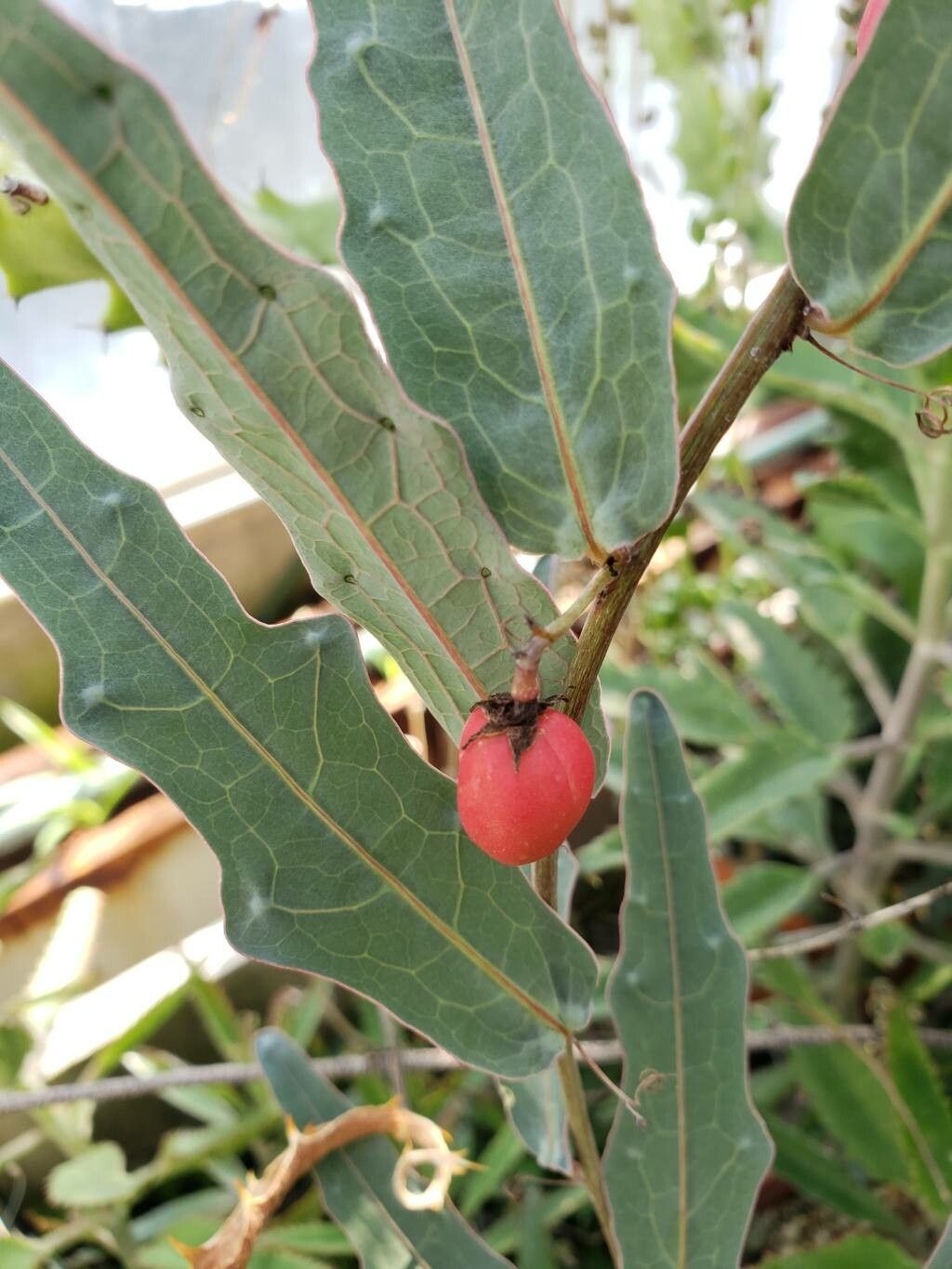
Propagating the Namibian Grape: A Guide to Cultivating Adenia repanda
Adenia repanda, also known as the Namibian Grape, is a fascinating succulent vine belonging to the Passifloraceae family. Its striking appearance, characterized by a thick, tuberous rootstock and delicate, palmate leaves, makes it a highly sought-after plant among succulent enthusiasts. Its unusual growth habit and ability to withstand harsh conditions add to its horticultural appeal. However, propagating Adenia repanda presents unique challenges, making successful cultivation a rewarding experience for the dedicated grower. This article explores various propagation methods, outlining their feasibility and outlining essential steps for success.
Seed Germination:
Currently, there are no known reliable methods for seed germination propagation of Adenia repanda. While seeds may be produced, their viability is notoriously low, and germination rates are exceptionally poor, even under optimal conditions. Factors such as dormancy and the specific requirements for successful germination remain largely unknown. Therefore, relying on seed germination for propagation is not a practical approach for the average gardener.
Cuttings:
Cuttings present a more viable, though still challenging, method of propagation for Adenia repanda.
Challenges: The succulent nature of the plant means cuttings are prone to rotting if not handled correctly. The relatively slow growth rate also extends the time required for rooting.
Practical Tips: Use sharp, clean tools to take semi-hardwood cuttings in spring or early summer. Allow the cuttings to callous over for several days before planting in a well-draining succulent potting mix. Avoid overwatering, ensuring the medium dries out between waterings. Bottom heat can improve rooting success. Hormone rooting powder can be beneficial, though not always necessary.
Rewards: Successfully rooted cuttings offer a reliable method for producing genetically identical plants to the parent. This is particularly useful for propagating rare or desirable cultivars.
Division:
Division of the tuberous rootstock is another method that can be attempted, but presents significant difficulties.
Challenges: Improper division can severely injure the plant, leading to its death. The large, delicate tuber is susceptible to rot and requires careful handling and proper sanitation. The process may also be detrimental to established plants.
Practical Tips: Division should only be attempted on mature, healthy plants with substantial root systems. Use sharp, sterilized tools to carefully section the tuber, ensuring each section has its own growth points and adequate root mass. Allow the divided sections to callous before planting them individually in well-draining soil.
Rewards: As with cuttings, division can generate multiple plants from a single parent plant offering an efficient means of increasing stock, although this method risks severely harming or killing the mother plant unless experienced and precise.
Tissue Culture:
Tissue culture offers a potentially high-yield method for propagation, but requires specialized equipment and expertise.
Challenges: Establishing a sterile environment and using appropriate plant growth regulators are crucial aspects of success. This method requires significant investment in equipment and technical knowledge.
Practical Tips: Specialized labs and experienced technicians are necessary to carry out tissue culture propagation.
Rewards: Tissue culture can generate a large number of plants from a relatively small amount of source material, making it ideal for large-scale propagation and conservation efforts. Genetically identical plants ensure uniform growth and characteristics.
Conclusion:
Propagating Adenia repanda presents unique challenges across all methods. While seed germination remains unreliable, cuttings offer a more accessible strategy, requiring patience, precision, and careful attention to detail to avoid rot. Division, albeit risky, allows for rapid multiplication but must be carefully executed to avoid damaging the plant. Tissue culture, though highly effective, remains accessible only to experts or specialized facilities. The rewards of successfully propagating this remarkable plant – creating new specimens or conserving a desired strain – far outweigh the difficulties involved. This unique challenge and final successful nurturing of a healthy new plant is incredibly satisfying, inspiring a profound sense of accomplishment for the devoted cultivator. For aspiring propagators, patience, meticulous techniques, and careful observation are key to achieving success with this exceptional succulent.