
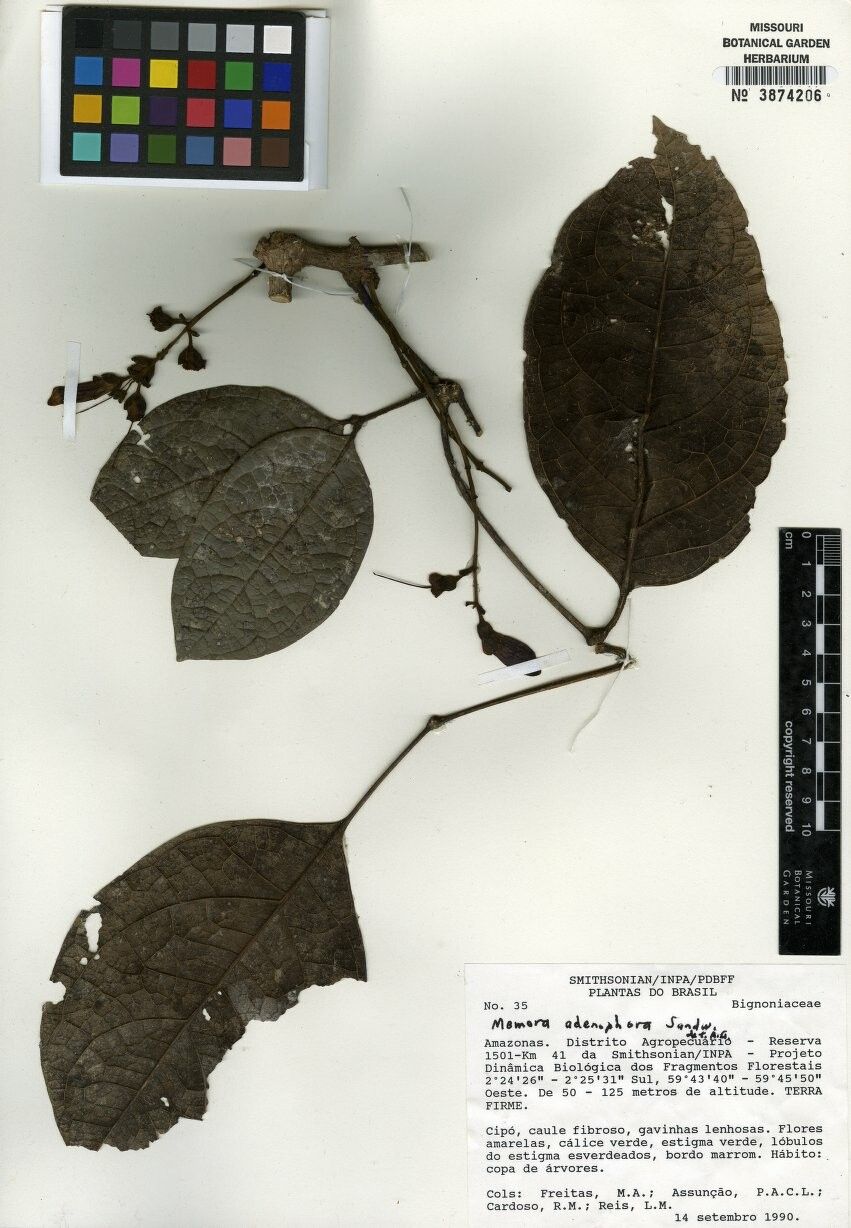
Unveiling the Secrets of Adenocalymma adenophorum Propagation: A Guide to Growing This Showstopping Vine
Adenocalymma adenophorum, also affectionately known as the “Bignonia Yellow” or the “Trumpet Vine,” is a sight to behold. This vigorous climber, native to South America, boasts vibrant golden blooms that resemble clusters of miniature trumpets, adding a touch of tropical charm to any landscape. If you’re enchanted by its beauty and wish to propagate this stunning vine, you’re in luck! This guide will explore the different methods and essential tips for successfully multiplying your Adenocalymma adenophorum.
Three Paths to Propagation:
While Adenocalymma adenophorum can be grown from seeds, the most common and efficient propagation methods are:
This method, ideal during the spring and early summer, involves taking cuttings from new, flexible growth. Here’s how:
- Select and Prepare: Choose healthy, non-flowering stems about 4-6 inches long. Remove the leaves from the lower half of the cutting.
- Hormone Boost (Optional): Dip the cut end in rooting hormone powder to encourage faster root development.
- Plant and Protect: Plant the cuttings in a well-draining potting mix and place them in a warm, humid environment. A propagator or covering the pot with a plastic bag can help retain moisture.
- Patience is Key: It may take several weeks for the cuttings to root. Once new growth appears, you can gradually acclimate them to outdoor conditions before transplanting.
2. Semi-Hardwood Cuttings:
Similar to softwood cuttings, this method utilizes partially mature stems, typically taken in late summer or early fall:
- Choose Wisely: Select stems with a slightly woody texture, around 4-6 inches long.
- Prepare and Plant: Follow the same preparation and planting instructions as with softwood cuttings.
- Overwintering: Keep the cuttings in a sheltered location with indirect light during the winter months. They will be ready for transplanting in spring once the risk of frost has passed.
3. Layering:
This method encourages root formation on a stem while it’s still attached to the parent plant. It’s best performed in spring:
- Select and Wound: Choose a flexible stem close to the ground. Make a small wound on the underside of the stem, about 6-12 inches from the tip.
- Bury and Secure: Bend the wounded section of the stem down and bury it in the soil. Use a small stake or rock to hold it in place.
- Patience and Separation: After a couple of months, check for root development. Once the layer has established a good root system, you can separate it from the parent plant and pot it individually.
Essential Tips for Success:
- Well-Draining Soil: Adenocalymma adenophorum thrives in fertile, well-drained soil. Amend heavy soils with compost or perlite to improve drainage.
- Warmth and Humidity: Provide your cuttings or layers with a warm and humid environment to promote successful rooting.
- Indirect Sunlight: While Adenocalymma adenophorum loves sunshine, cuttings and layers prefer indirect light until they establish themselves.
- Regular Watering: Keep the soil consistently moist but avoid overwatering, which can lead to root rot.
By mastering these propagation techniques, you can easily multiply your Adenocalymma adenophorum, adding more of these vibrant beauties to your garden or sharing them with fellow plant enthusiasts. Remember, patience and a little care go a long way in the rewarding journey of plant propagation!