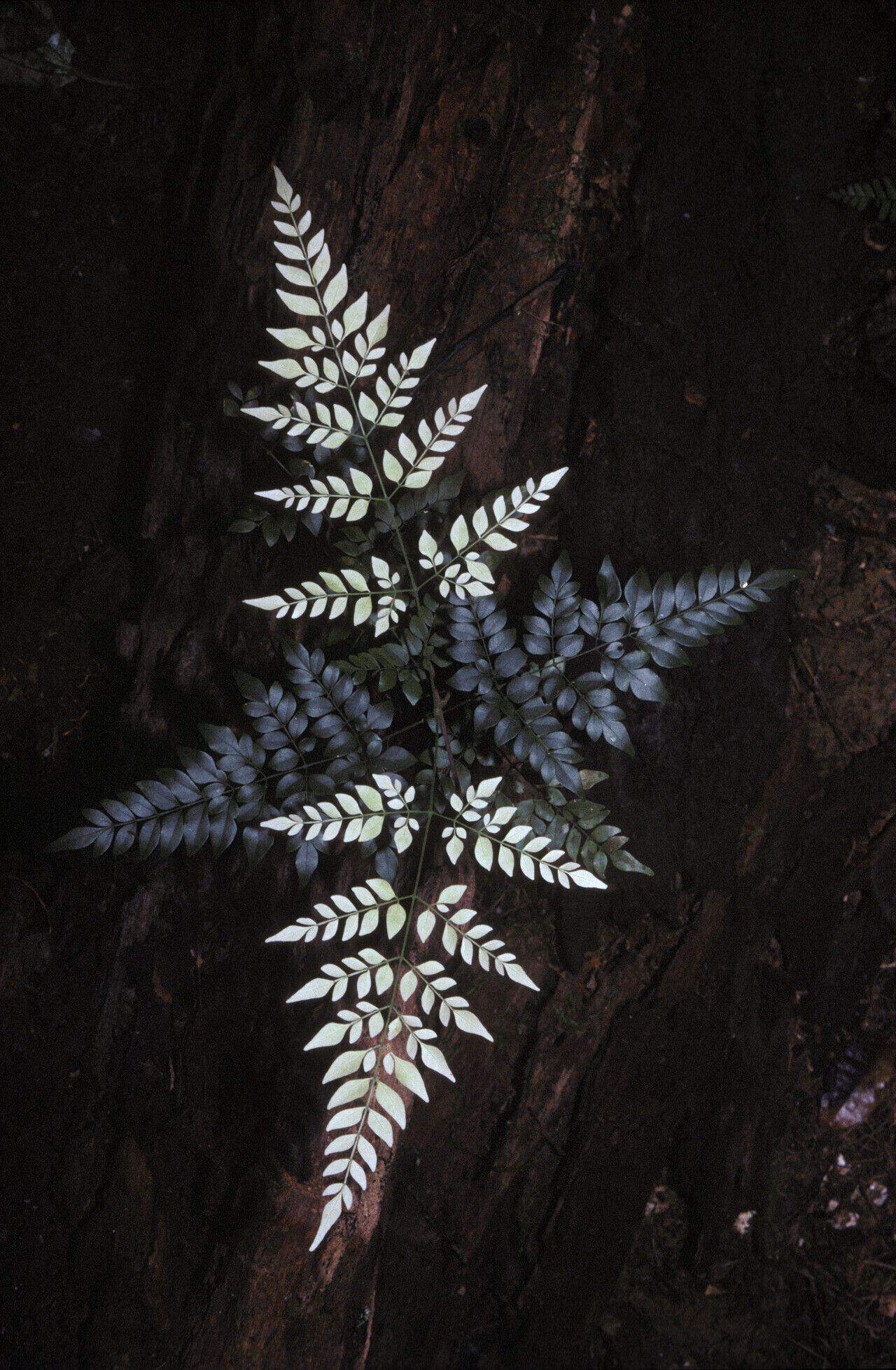
Propagating the Brazilian Clockvine: A Gardener’s Guide to Adenocalymma moringifolium
Introduction:
Adenocalymma moringifolium, commonly known as the Brazilian clockvine, is a captivating twining vine prized for its stunning, trumpet-shaped flowers that often exhibit a striking color gradient. Its rapid growth and ability to quickly cover walls, fences, or trellises makes it a popular choice among gardeners. However, its propagation presents certain challenges, making the successful cultivation of this beauty all the more rewarding. Its relatively uncommon use in horticulture contributes to a lesser base of widely accessible propagation information.
Seed Germination:
Currently, there are no known reliable methods for seed germination propagation of Adenocalymma moringifolium. While seeds may be produced, their viability and germination rates are reportedly extremely low, rendering this method impractical for most gardeners. Further research into seed treatment techniques might be necessary to unlock this potential propagation pathway.
Cuttings:
Cuttings are a viable, albeit somewhat challenging, method for propagating Adenocalymma moringifolium.
Challenges: The success rate of cuttings can be influenced by factors such as the time of year (spring or early summer is generally preferred), the maturity of the cutting material (semi-hardwood cuttings taken from actively growing shoots are recommended), and the use of a rooting hormone. Maintaining high humidity and warmth is crucial to prevent desiccation.
Practical Tips: Take 4-6 inch cuttings with several nodes. Remove lower leaves, dip the cut ends in rooting hormone, and plant in a well-draining propagating mix (e.g., a blend of perlite and peat moss) kept consistently moist but not waterlogged. Cover the cuttings with a clear plastic bag or humidity dome to maintain high humidity. Provide bright, indirect light.
- Rewards: Cuttings offer a reliable method for cloning existing plants, preserving desirable traits and avoiding the unpredictability of seed germination. This method allows for relatively quick propagation for smaller-scale gardening.
Division:
Division is not a practical propagation technique for Adenocalymma moringifolium. This vine doesn’t readily form sufficient separate root systems to be effectively divided.
Tissue Culture:
Tissue culture offers a potential solution for large-scale propagation of Adenocalymma moringifolium, but it requires specialized equipment, sterile conditions, and expertise.
Challenges: Establishing a sterile working environment is crucial to avoid contamination. Developing a suitable culture medium to support growth and prevent browning is critical. This method is also costly and time-consuming, making it more suited for commercial production or research rather than home propagation.
Practical Tips: This method requires specialized knowledge and resources and is best left to professionals or laboratories with experience in plant tissue culture.
- Rewards: Tissue culture boasts high propagation rates, allowing for mass production of genetically identical plants while preserving superior varieties. This offers possibilities for conservation and wider distribution of this species.
Conclusion:
Propagating Adenocalymma moringifolium presents unique challenges. While seed germination appears unreliable, cuttings offer a viable, though somewhat delicate, method for home gardeners. Tissue culture holds the potential for mass propagation but remains beyond the scope of most amateur cultivators. The difficulties involved in successfully propagating this plant only add to the profound sense of accomplishment that comes with nurturing a new vine from a cutting, finally witnessing its vibrant flowers grace your garden. Aspiring propagators should embrace the challenge; patient persistence and attention to detail are key to success. Don’t be discouraged by setbacks – the lush, vibrant display of a successfully propagated Brazilian clockvine is a reward worth striving for.