
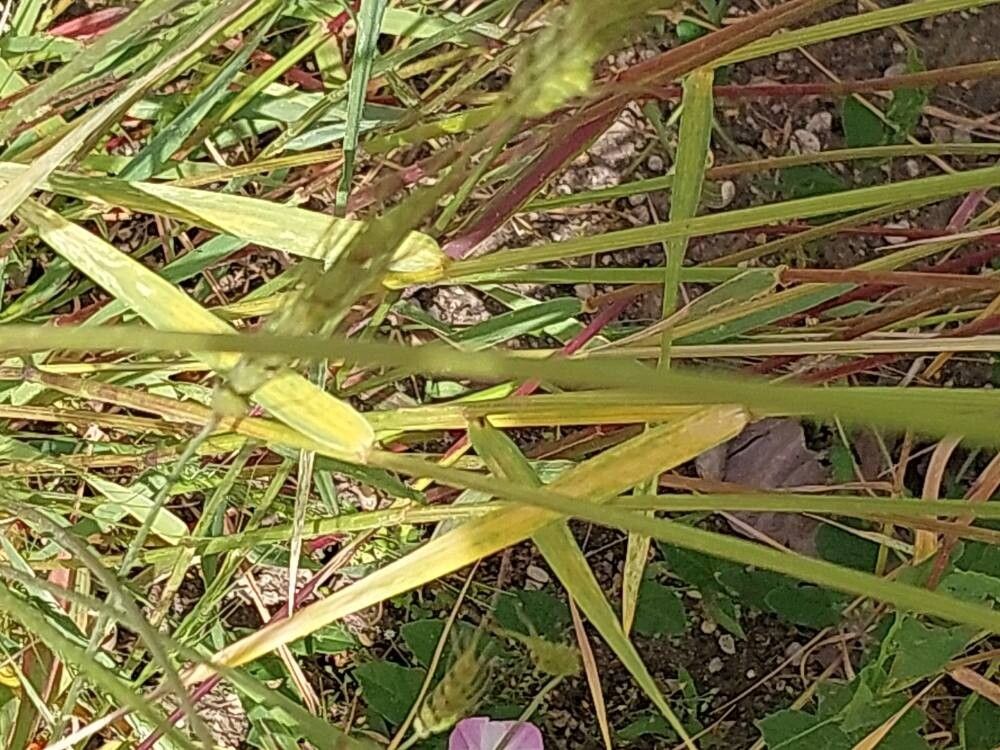
Unlocking the Secrets of Ancient Grains: Propagating Aegilops Speltoides
You might not recognize the name “Aegilops speltoides” right away, but this unassuming wild grass holds a fascinating secret: it’s a close relative of modern wheat, and a key player in the story of human agriculture. Today, we’ll delve into the world of propagating this ancient grain, exploring techniques that both scientists and dedicated hobbyists can utilize.
Aegilops speltoides: A Blast from the Past
Before diving into propagation techniques, let’s understand what makes this plant so special. Aegilops speltoides, also known as goat grass, thrives in the fertile crescent region where wheat was first domesticated. It possesses valuable genetic traits that contribute to disease resistance, drought tolerance, and even baking quality in modern wheat varieties. Essentially, it’s a living link to our agricultural past and a source of potential for the future.
Propagation Methods: Seeds of Success
Propagating Aegilops speltoides primarily revolves around seed-based methods, offering a straightforward yet fascinating journey for those interested in growing this piece of history:
Sourcing Seeds: Obtaining seeds can be the trickiest part. Specialized seed banks focusing on wild relatives of crops are your best bet. Online research and contacting university agricultural departments can be helpful in finding reputable sources.
Sowing the Seeds: Aegilops speltoides enjoys well-drained soil and full sun, similar to its domesticated wheat cousins.
- Timing is Key: Early spring or late fall sowing mimics its natural growth cycle.
- Sowing Depth: Plant the seeds about 1-2 cm deep in rows spaced 15-30 cm apart.
- Germination: With proper moisture and temperature, expect germination within 7-14 days.
- Transplanting: While direct sowing works well, starting seeds indoors in trays allows for greater control.
- Seedling Stage: Once seedlings develop a few true leaves, they can be carefully transplanted into larger pots or directly into the ground.
Beyond the Basics: Challenges and Rewards
Though the process might seem similar to cultivating other grasses, there are a few specific considerations for optimal Aegilops speltoides propagation:
- Cross-Pollination: This species can readily hybridize with other wheat relatives. If you’re aiming for genetic purity, spatial isolation from other grasses is crucial.
- Dormancy Period: Seeds may exhibit dormancy, requiring a period of cold stratification (exposure to low temperatures) to break dormancy and improve germination rates.
The Rewards of Cultivating History
Successfully propagating Aegilops speltoides offers unique rewards:
- Conservation: By cultivating this wild relative of wheat, you contribute to conserving its valuable genetic diversity, which is crucial for future crop improvement.
- Educational Value: Growing this ancient grain provides a tangible connection to our agricultural heritage, offering insights into the origins of our food.
- Scientific Research: Home growers can even play a part in citizen science by sharing observations and collaborating with researchers studying Aegilops speltoides.
A Seed of Curiosity
Propagating Aegilops speltoides is not just about growing a plant; it’s about cultivating a piece of history. It’s a journey of discovery, offering a glimpse into the fascinating world of plant genetics and the crucial role wild relatives play in ensuring food security for the future. So why not plant a seed of curiosity and embark on this rewarding experience?