
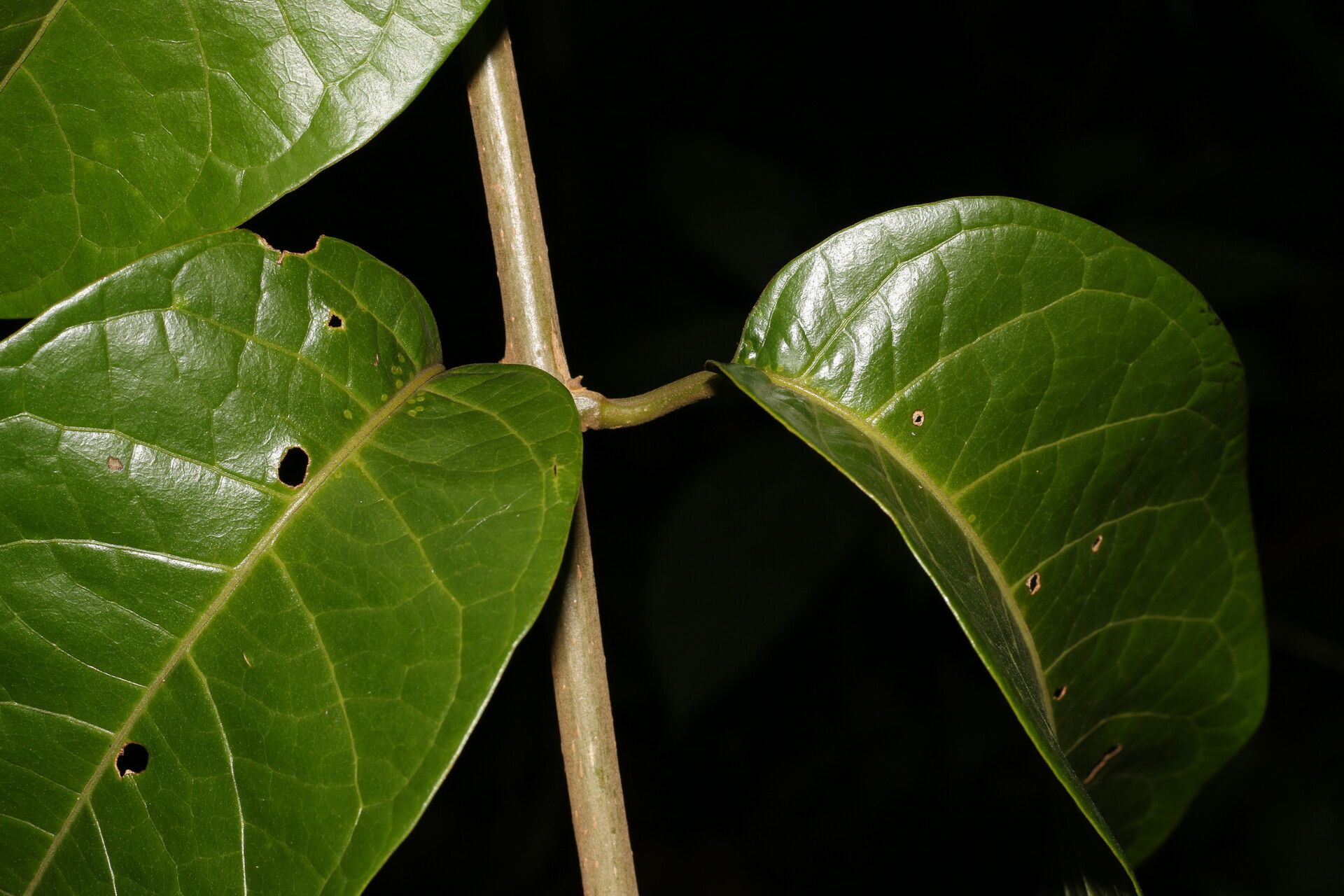
Unlocking the Secrets of Aegiphila Laevis Propagation: A Guide for Lush and Vibrant Growth
The Aegiphila laevis, also known as the smooth shrubmint, is a versatile and visually appealing plant gaining popularity for its lush foliage and ability to thrive in various conditions. While admiring its beauty is easy, knowing how to propagate it can seem like a gardening mystery. Fear not, fellow plant enthusiasts! This guide unveils the secrets of successful Aegiphila laevis propagation, empowering you to expand your plant family and share its splendor.
Two Paths to Propagation Success
Aegiphila laevis readily reproduces through two primary methods: stem cuttings and seeds. Each technique boasts its own advantages and considerations, letting you choose the approach that best suits your preferences and resources.
1. The Art of Stem Cuttings:
Timing is Key: Spring and early summer are ideal for taking cuttings, as the plant experiences vigorous growth during these seasons.
Selecting the Perfect Cuttings: Look for healthy, non-flowering stems with at least 3-4 nodes (small bumps where leaves emerge). Using clean, sharp pruning shears, snip a 4-6 inch cutting just below a node.
Preparing the Cuttings: Remove the lower leaves from the cutting, leaving only a few at the top. This directs the plant’s energy towards root development. You can dip the cut end in rooting hormone powder (optional) to encourage faster rooting.
Planting and Patience: Plant the cuttings in a well-draining potting mix, burying the bottom node. Water thoroughly and cover the pot with a plastic bag or humidity dome to create a warm, humid environment. Place the pot in a bright location, out of direct sunlight.
- Rooting Success: With proper care, roots should develop within 4-6 weeks. Gently tug on the cutting; resistance indicates successful rooting. Once roots are established, you can transplant the cutting into a larger pot or your garden.
2. The Magic of Seeds:
Sourcing Seeds: While Aegiphila laevis produces small berries containing seeds, sourcing them can be challenging. Check with reputable nurseries or online retailers for availability.
Sowing the Seeds: Sow seeds in a seed-starting mix, lightly covering them with soil. Water gently and cover the tray with a humidity dome or plastic wrap.
Light and Warmth: Place the seed tray in a warm, brightly lit location, out of direct sunlight. Maintain consistent moisture and humidity.
Germination Delight: Germination can be slow and unpredictable, often taking several weeks to months. Be patient and continue providing optimal conditions.
- Transplanting Time: Once seedlings develop a few sets of true leaves, carefully transplant them into individual pots or your desired location.
Tips for Propagation Triumph:
Well-draining soil: Aegiphila laevis dislikes soggy roots, so using a well-draining potting mix or amending your garden soil is crucial.
Bright, indirect light: While this plant enjoys sunlight, direct exposure can scorch its leaves. Opt for a location with bright, indirect light.
Consistent moisture: Keep the soil consistently moist but not waterlogged. Allow the topsoil to dry slightly between waterings.
- Humidity boost: Aegiphila laevis thrives in humidity. Misting the leaves regularly or using a pebble tray can provide the moisture it craves.
By mastering these propagation techniques and understanding the plant’s needs, you can confidently expand your Aegiphila laevis collection and enjoy its lush beauty for years to come. Happy propagating!