
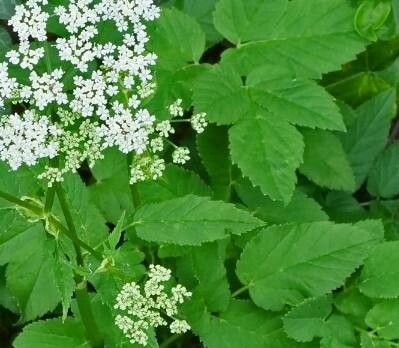
Ground Elder’s Grip: A Guide to (Maybe Not) Propagating Aegopodium podagraria
Aegopodium podagraria, commonly known as ground elder, goutweed, or bishop’s weed, often evokes groans of despair from gardeners. This tenacious perennial, while boasting attractive foliage and a history of medicinal uses, has a reputation for aggressive spreading, often earning the label of “invasive.” But what if you actually wanted to introduce this vigorous grower to your garden? Perhaps you have a challenging shady area that needs filling, or you’re interested in its purported medicinal properties. This guide will delve into the propagation of Aegopodium podagraria, but be warned: proceed with caution – you might just unleash a green monster!
Methods to Multiply (Maybe Avoid!)
While most gardeners battle to contain ground elder, propagation is surprisingly simple. Here are the two most common methods:
Division: This is best done in early spring or fall. Carefully dig up a section of the plant, ensuring you get a good chunk of the rhizomatous roots. Divide the clump into smaller sections, each with both roots and shoots. Replant immediately in their desired locations, ensuring the crown is level with the soil. Water well and be prepared for rapid spread!
- Root Cuttings: Another effective method is taking root cuttings. In spring or fall, carefully unearth a section of rhizome. Cut the rhizome into sections about 2-3 inches long, ensuring each section has at least one growth bud. Plant these sections horizontally in a seed tray filled with well-draining compost, burying them about an inch deep. Keep the soil consistently moist but not soggy. You should start seeing shoots emerge in a few weeks.
Taming the Beast: Containment Strategies
Before you unleash the power of Aegopodium podagraria, consider how you will contain its growth.
- Physical Barriers: Installing a sturdy root barrier around the planting area can help prevent the rhizomes from spreading.
- Container Gardening: Growing ground elder in containers is a foolproof way to contain its growth. Choose a large pot with good drainage.
- Diligent Monitoring: Regularly check for any runners or rhizomes escaping designated areas and remove them promptly.
Cautions and Considerations:
- Invasive Potential: Be aware of Aegopodium podagraria’s invasive tendencies before introducing it to your garden.
- Wildlife: While not a preferred food source for most animals, ground elder can provide ground cover for beneficial insects.
- Toxicity: While historically used medicinally, be cautious as some parts of the plant may cause skin irritation in sensitive individuals.
Propagate with Prudence:
Aegopodium podagraria, while challenging, can be a valuable addition to the garden with its vigorous growth and attractive foliage. However, its propagation should be approached with careful planning and a healthy dose of respect for its ability to spread. Remember, propagate responsibly!