
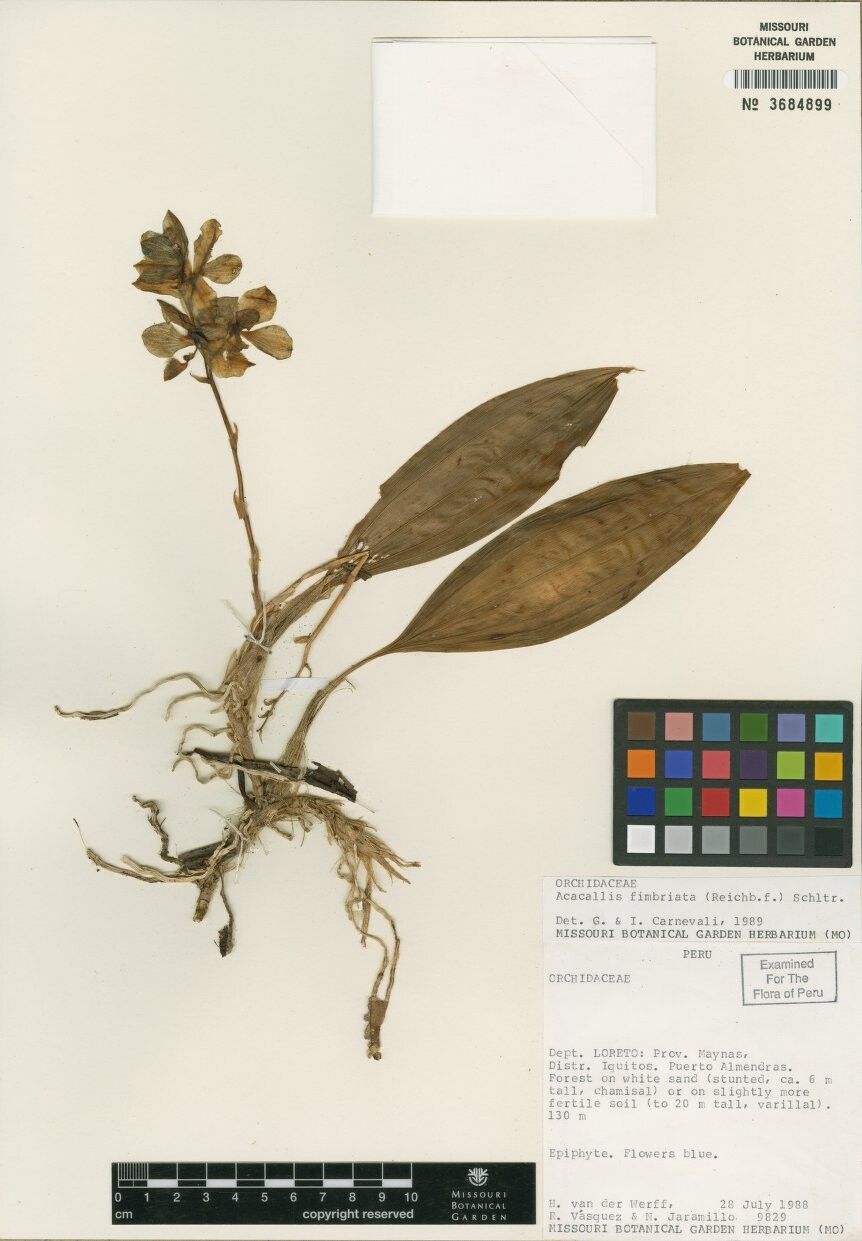
Unlocking the Secrets to Propagating the Exquisite Aganisia Fimbriata
The Aganisia fimbriata, with its cascading waterfall of ivory-white blooms delicately fringed with lavender, is a true gem in the orchid world. While caring for this beautiful species can seem daunting, propagating your own Aganisia fimbriata is an achievable feat for dedicated orchid enthusiasts.
This comprehensive guide will equip you with the knowledge and techniques to successfully propagate this exquisite species.
Understanding the Aganisia Fimbriata
Native to the humid rainforests of South America, the Aganisia fimbriata thrives in warm, humid environments with dappled sunlight. Unlike some orchids that grow in soil, this epiphytic species naturally anchors itself to trees, drawing nutrients and moisture from the air and rain. Understanding this natural habitat is crucial for replicating the right conditions for successful propagation.
Propagation Methods
While Aganisia fimbriata can be grown from seeds, this method requires specialized lab conditions and is best left to experienced growers. For the home enthusiast, division is the most effective and accessible method.
Division: Separating the Keikis
- Timing is Key: The optimal time for division is during spring, just as the plant begins its active growth phase.
- Healthy Growth: Choose a mature plant with at least 4-5 healthy pseudobulbs (the thickened stems that store water and nutrients). Look for pseudobulbs that have already bloomed, ideally with new growth or “keikis” emerging at their base. These keikis are essentially baby plants that have developed their own root systems.
- Careful Separation: Using a sterilized, sharp knife or shears, carefully separate the rhizome (the horizontal stem connecting the pseudobulbs) ensuring each division has at least 2-3 pseudobulbs and a healthy keiki.
- Potting Medium and Care: Plant each division in a well-draining orchid mix specifically designed for epiphytes. A combination of sphagnum moss, bark chips, and perlite works well. Ensure the pot has adequate drainage holes to prevent waterlogging.
- Nurturing New Growth: Place the newly potted divisions in a warm, humid location with bright, indirect light. Water sparingly until new growth emerges, indicating the roots are established.
Creating the Ideal Environment
- Light: Mimic the dappled sunlight of the rainforest with bright, indirect light. Avoid direct sunlight, which can scorch the leaves.
- Humidity: Maintain a humid environment around 60-70%. Mist the leaves regularly or use a humidifier, especially during dry periods.
- Temperature: Aganisia fimbriata prefers warm temperatures between 70-85°F (21-29°C) during the day and slightly cooler temperatures at night.
- Air Circulation: Ensure good air circulation around the plant to prevent fungal diseases.
Patience is a Virtue
Propagation requires patience and attentive care. Monitor your newly divided Aganisia fimbriata closely, adjusting watering and environmental conditions as needed.
With dedication and by following these guidelines, you can successfully propagate this breathtaking orchid, multiplying your collection and the beauty it brings to your home. And remember, the reward of witnessing a new Aganisia fimbriata bloom, nurtured by your own hand, is a truly enriching experience.