
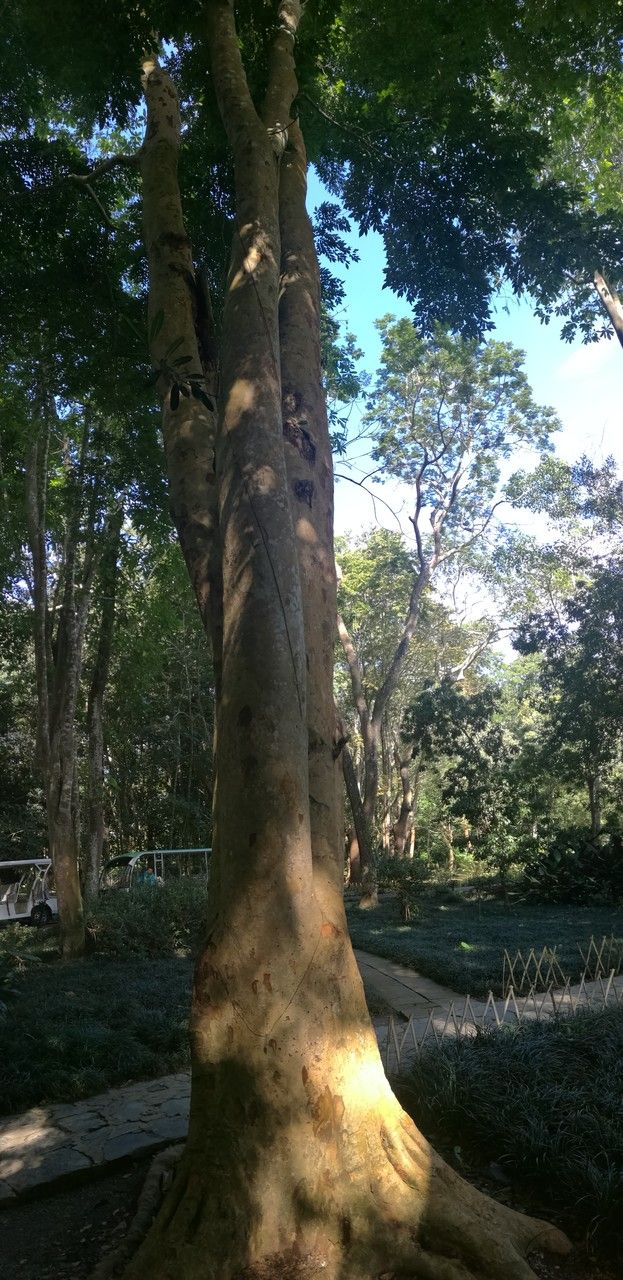
Unveiling the Secrets of Aganope stuhlmannii Propagation: A Guide to Growing This African Treasure
Aganope stuhlmannii, also known as the Popgun Vine or African Black Ebony, is a captivating plant with its lush foliage and unique seed pods. While not widely known outside of its native Africa, this climbing vine has the potential to be a stunning addition to gardens in suitable climates.
However, finding readily available Aganope stuhlmannii plants can be challenging. That’s where propagation comes in! Successfully growing this botanical gem hinges on understanding its preferred propagation methods. Let’s dive into the techniques that will give you the best chance of success.
Seed Propagation: A Rewarding Challenge
Aganope stuhlmannii primarily reproduces through seeds, found within its distinctive, cylindrical pods. These pods burst open dramatically when mature, scattering the seeds. Here’s how to propagate them:
Seed Collection and Preparation: Harvest mature pods directly from the vine. Allow them to dry thoroughly. Once dry, carefully extract the seeds, avoiding any damage.
Scarification: Aganope stuhlmannii seeds have a hard outer coating that benefits from scarification. Gently rub the seed coat with sandpaper or a file, being careful not to damage the inner seed. This process helps water penetrate and encourages germination.
Soaking: Soak the scarified seeds in lukewarm water for 24 hours before sowing. This rehydrates the seeds and further enhances germination rates.
Sowing: Plant the seeds about 1 inch deep in a well-draining seed-starting mix. Keep the soil consistently moist but not waterlogged.
- Warmth and Patience: Aganope stuhlmannii seeds prefer warm temperatures for germination, ideally around 75-85°F (24-29°C). Germination can be slow, sometimes taking several weeks or even months.
Cuttings: A Faster Route to Success
While seed propagation is rewarding, it can be time-consuming. Propagation through cuttings offers a faster method:
Timing is Key: Take cuttings during the plant’s active growing season (spring or summer).
Selecting the Right Cutting: Choose healthy, semi-mature stems that are not too woody or too soft. A cutting around 6 inches long with a few leaf nodes is ideal.
Prepare the Cutting: Remove leaves from the lower portion of the cutting, leaving a few at the top.
Rooting Hormone (Optional): Dipping the cut end in rooting hormone can encourage faster root development, although it’s not strictly necessary.
Planting the Cutting: Plant the prepared cutting in a well-draining potting mix. Maintain consistent moisture and provide a warm, humid environment. Using a humidity dome or a clear plastic bag can be helpful.
- Signs of Success: After a few weeks, you should start to see new growth, indicating that your cutting has successfully rooted.
Caring for Your New Aganope stuhlmannii
Whether you choose seed or cutting propagation, young Aganope stuhlmannii plants thrive in well-draining soil and prefer bright, indirect sunlight. Water regularly, allowing the soil to dry slightly between waterings. As this vine is a climber, providing a sturdy support structure is essential for its growth.
Propagating Aganope stuhlmannii can be a rewarding experience. By understanding its preferences and following these guidelines, you can increase your chances of success and enjoy the unique beauty of this African treasure in your own garden.