
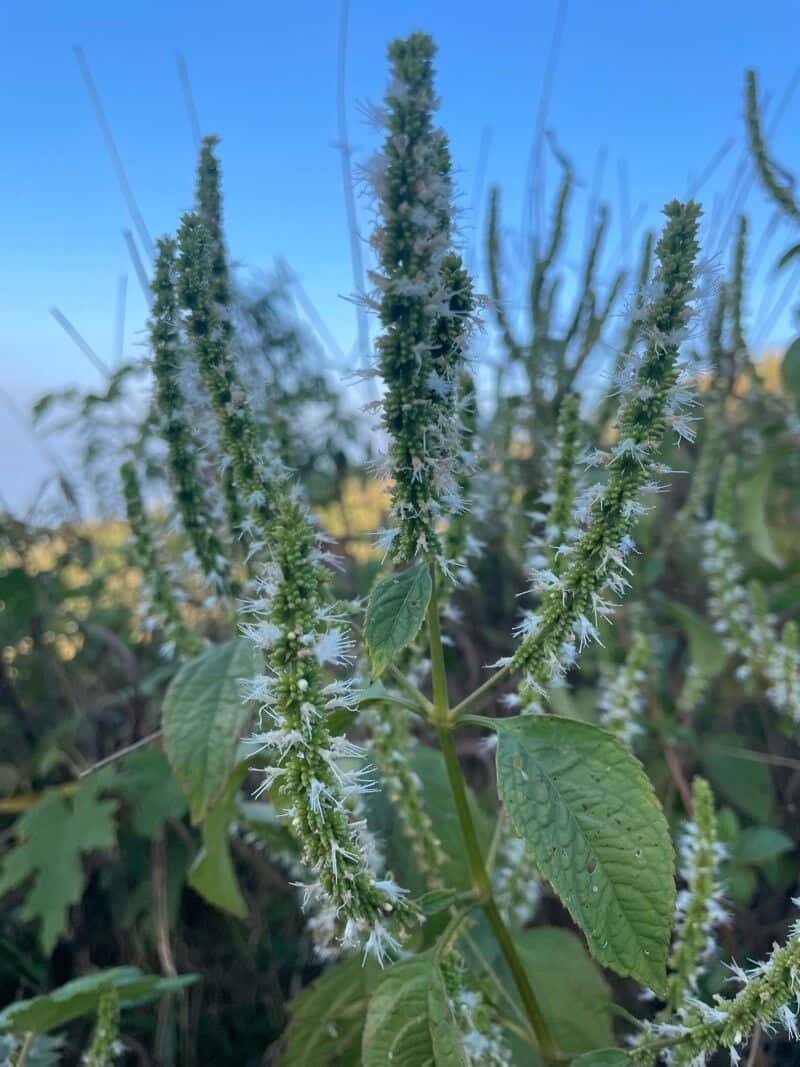
Unleash the Anise Hyssop: Propagating Agastache nepetoides for a Fragrant Future
Agastache nepetoides, more commonly known as Yellow Giant Hyssop or Anise Hyssop (though not a true hyssop), is a gardener’s delight. Towering with fragrant blooms that attract a symphony of pollinators, this North American native deserves a place in any sun-drenched garden. And the best part? Agastache nepetoides is surprisingly easy to propagate, guaranteeing you years of enjoyment (and plenty to share with friends!).
Here’s a look at the most effective ways to multiply your Anise Hyssop:
1. Seed Starting: A Rewarding Journey from Tiny Seeds to Towering Blooms
Starting Agastache nepetoides from seed is highly rewarding and an excellent option for mass plantings. Here’s how:
- Timing is Everything: Begin sowing indoors 6-8 weeks before the last frost.
- Light and Airy: Use a seed-starting mix and lightly press the seeds onto the surface, ensuring they receive light to germinate.
- Warmth is Key: Maintain a consistent temperature around 70-75°F (21-24°C) using a seedling heat mat if needed.
- Patience is a Virtue: Germination can take anywhere from 10 days to 3 weeks.
- Harden Off Before Planting: Gradually acclimate seedlings to outdoor conditions for a week before transplanting after the last frost.
2. Cuttings: Cloning Your Favorite Anise Hyssop
Taking cuttings is a fantastic way to create an exact replica of a particular Anise Hyssop plant. Here’s your guide:
- Timing is Crucial: Take cuttings in the spring from new growth before flower buds form.
- Choose Wisely: Select healthy, non-flowering stems about 4-6 inches long.
- Make the Cut: Using a sharp, clean knife or pruners, cut just below a leaf node at a 45-degree angle.
- Prepare the Cutting: Remove the lower leaves, leaving 2-3 pairs at the top.
- Root Hormone Boost: Dip the cut end in rooting hormone (optional but recommended).
- Plant and Protect: Plant the cutting in a moist, well-draining potting mix. Cover with a plastic bag or humidity dome to retain moisture.
- Patience, Once Again: Roots should develop in 4-6 weeks. Once new growth appears, you can transplant.
3. Division: Sharing the Bounty of Mature Plants
For established clumps of Agastache nepetoides, division is a highly effective propagation method.
- Timing: Divide in early spring just as new growth emerges.
- Dig Deep: Carefully dig up the entire clump, ensuring you get as much of the root system as possible.
- Divide and Conquer: Using a sharp knife or spade, divide the clump into sections, each with a good amount of roots and shoots.
- Replant and Water: Replant the divisions immediately in well-prepared soil, ensuring they are at the same depth they were previously growing. Water thoroughly.
Propagating Agastache nepetoides: Tips for Success
- Well-Draining Soil: Anise Hyssop thrives in well-draining soil. Amend heavy clay soil with compost or sand.
- Sunlight is Key: Choose a location with at least 6 hours of direct sunlight daily.
- Watering Wisely: Water regularly until established, then water deeply during dry periods.
- Deadheading Extends the Show: Regularly remove spent flower stalks to encourage more blooms and prevent self-seeding.
Whether you choose seeds, cuttings, or division, propagating Agastache nepetoides is an easy and rewarding process. With a little effort, you’ll have an abundance of these beautiful, fragrant plants to enjoy for years to come. So go ahead, unleash the Anise Hyssop in your garden and relish the beauty and delight it brings!