
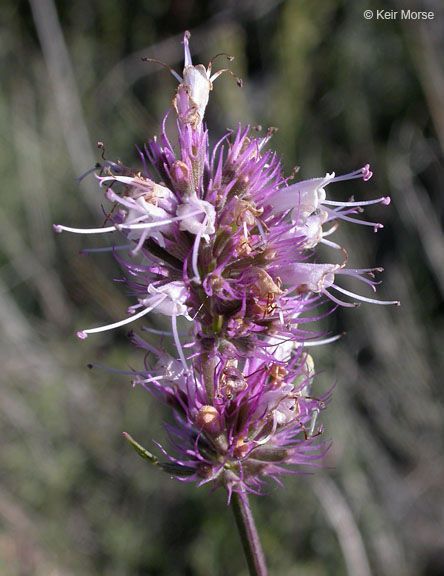
From Seed to Splendor: Propagating the Fragrant Agastache parvifolia
The sweet scent of anise mingled with a hint of citrus? That’s the delightful aroma you’ll encounter when you grow Agastache parvifolia, commonly known as anise hyssop. This enchanting herb, native to the Southwest, is a real showstopper, boasting vibrant purple flowers atop upright stems and boasting a striking presence in any garden.
But the magic of Agastache parvifolia goes beyond its beauty; it’s also incredibly easy to propagate, meaning you can easily share its loveliness with friends and family or expand your own collection.
Here’s a breakdown of the propagation methods for this wonderful plant:
1. Starting with Seeds:
- Direct Sowing: You can directly sow Agastache parvifolia seeds into your garden bed in the spring after the last frost. Aim for a sunny spot with well-drained soil.
- Starting Indoors: For an earlier bloom, start seeds indoors 6-8 weeks before the last frost. Use seed trays filled with a seed-starting mix, and keep the soil moist and warm. Once seedlings develop their first true leaves, transplant them into individual pots.
- Germination Tip: Agastache parvifolia seeds benefit from a period of cold stratification. This means chilling them for 4-6 weeks before sowing. You can do this in the refrigerator.
2. Division:
- Spring or Fall: This method is best performed in spring or fall when plants are actively growing or dormant.
- Prepare the Plant: Choose a mature plant that has been growing for at least a year. Using a sharp spade or trowel, carefully dig around the plant, leaving a good amount of space between the roots.
- Separate the Divisions: Gently separate the plant into sections, aiming for each division to have at least one strong stem and a healthy root system.
- Replanting: Plant the divided sections in their new location, ensuring they are properly watered and given adequate space to grow.
3. Cuttings:
- Timing is Key: The best time for taking cuttings is in late spring or early summer.
- Select the Right Cuttings: Choose healthy stems that are neither too young nor too old, and about 4 inches long. Remove any flowers or buds. Make a clean cut at a 45-degree angle just below a node (where a leaf grows).
- Prepare the Cuttings: Dip the cut end of the stem in rooting hormone to stimulate root growth.
- Propagating: Insert the cuttings into a rooting medium such as a seed starting mix or a mixture of peat moss and perlite. Keep the medium moist, and place the cuttings in a bright, warm location but out of direct sunlight.
- Roots are Ready: In a couple of weeks, the cuttings should start to root. Transplant them into individual pots once they have established themselves.
Tips for Success:
- Water Wisely: Agastache parvifolia prefers well-drained soil and does not tolerate waterlogging. Allow the soil to dry slightly between waterings.
- Sunlight Matters: This herb thrives in full sun. Give it at least six hours of direct sunlight daily.
- Resist the Pinch: While pinching back stems encourages bushier growth, it can also delay flowering. Only pinch if necessary to control the plant’s size.
By utilizing these propagation methods, you can easily expand a beautiful and fragrant collection of Agastache parvifolia. With a little care and attention, you’ll be rewarded with a thriving patch of this delightful herb that will bring joy to your garden and your senses. So why not give it a try? You’ll find it’s a truly rewarding endeavor.