
Growing Giants: A Guide to Propagating the Majestic Agathis Robusta
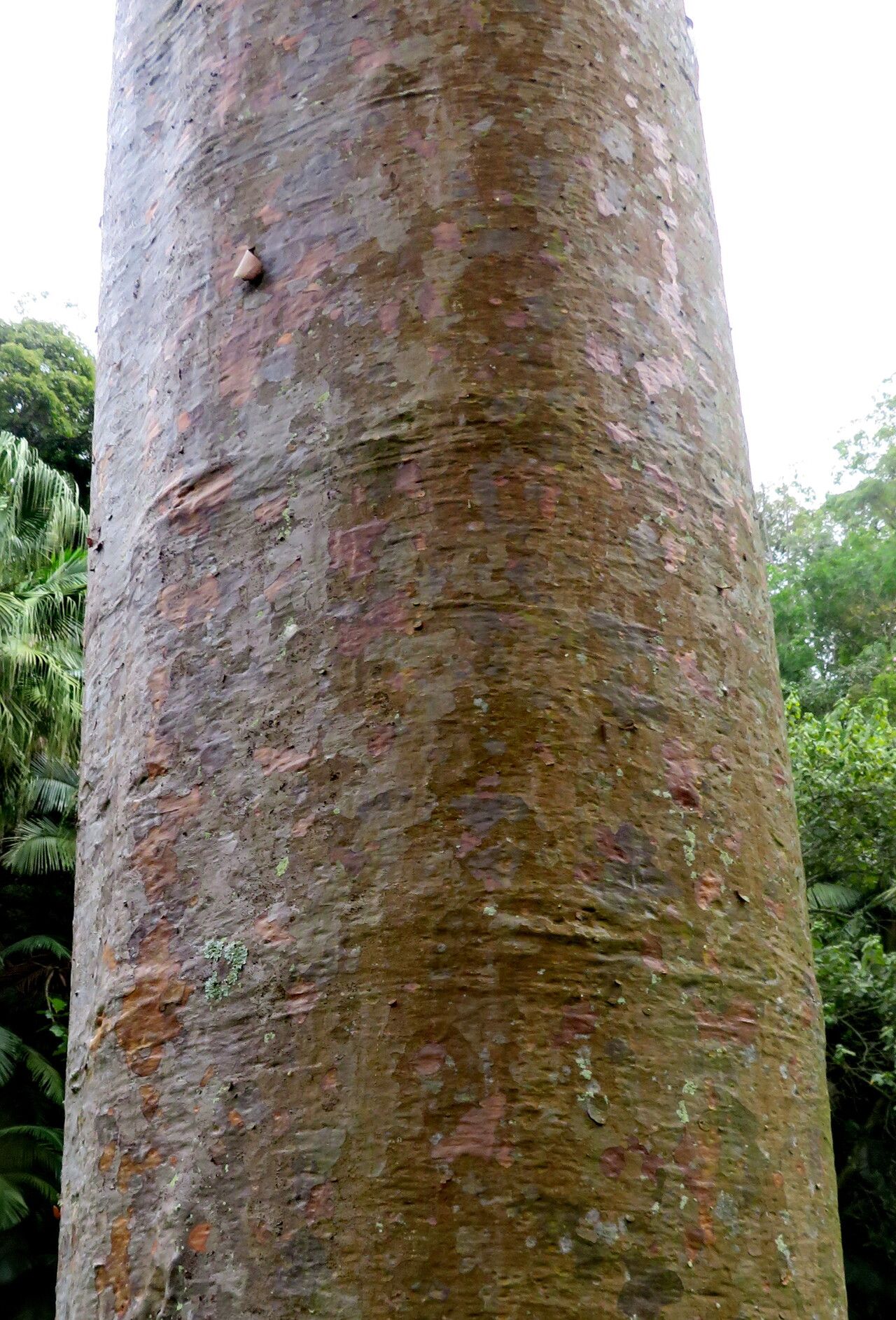
The Agathis robusta, also known as the Queensland Kauri or Smooth-barked Kauri, is a majestic evergreen conifer that can reach towering heights. Native to Australia, this grand tree with its distinctive flaky bark and lush foliage adds a touch of prehistoric beauty to any landscape fortunate enough to host it.
While obtaining a sapling from a specialized nursery is the most common approach, propagating your own Agathis robusta is a rewarding endeavor for the patient gardener. Here’s a comprehensive guide to help you cultivate these gentle giants from scratch:
1. Seed Collection and Preparation:
- Agathis robusta seeds are found in cones typically maturing between April and May. However, only female trees produce seed-bearing cones, recognizable by their larger size and rounder shape compared to the smaller, thinner male cones.
- Harvest mature cones directly from the tree or collect fallen ones. Look for cones that have started to open, revealing the seeds inside.
- Extract the winged seeds from the cones and allow them to dry for a few days in a cool, dry place.
- Before sowing, soak the seeds in lukewarm water for 24 hours to enhance germination rates.
2. Sowing the Seeds:
- Choose a well-draining seedling mix or create your own by combining peat moss, perlite, and vermiculite in equal parts.
- Sow the seeds about 1 inch deep in small pots or seed trays.
- Water gently but thoroughly, ensuring good drainage to prevent the seeds from rotting.
- Place the pots or trays in a warm, bright location out of direct sunlight.
3. Germination and Early Care:
- Germination can be slow and erratic, taking anywhere from a few weeks to several months.
- Maintain consistent moisture in the soil without overwatering.
- Once the seedlings emerge and have a few sets of true leaves, they can be gradually acclimated to more sunlight.
4. Potting On and Long-Term Care:
- As the seedlings grow, transplant them into larger pots to accommodate their expanding root systems. Choose pots with good drainage.
- Maintain a regular watering schedule, allowing the soil surface to dry slightly between waterings.
- Fertilize the young trees during the growing season (spring and summer) with a balanced liquid fertilizer diluted to half strength.
- Agathis robusta prefers slightly acidic soil, so you can amend the soil with compost or peat moss to maintain the appropriate pH level.
5. Planting Outdoors (When Ready):
- Agathis robusta thrives in warm temperate to subtropical climates with ample rainfall.
- Choose a sunny location with well-drained soil for planting your tree.
- Dig a hole twice the width and depth of the root ball and backfill with amended soil.
- Water thoroughly after planting and provide support staking for the first few years.
Additional Tips:
- Be patient! Agathis robusta is a slow-growing tree, but its stately beauty is well worth the wait.
- Protect young trees from frost and strong winds, as they are sensitive in their early years.
Propagating Agathis robusta may require some patience, but the reward of nurturing this magnificent species from seed to soaring tree is an immensely fulfilling experience. By following these steps and providing proper care, you can cultivate your own piece of ancient history, creating a lasting legacy for generations to come.