
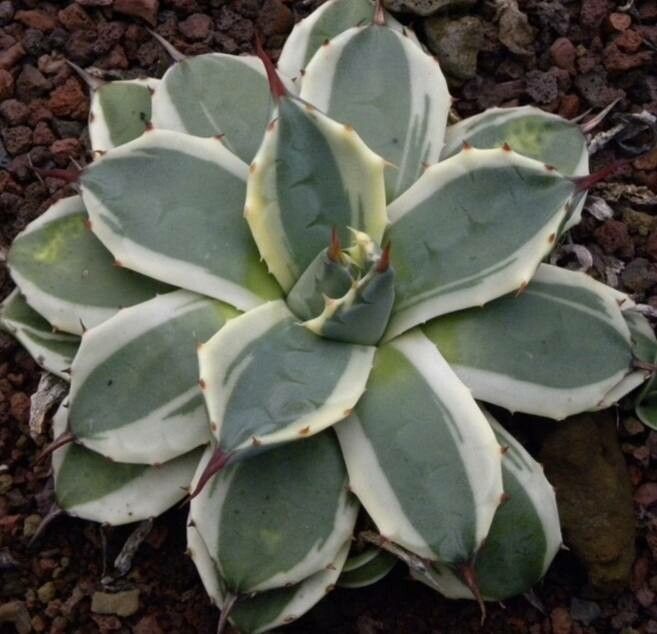
From One to Many: Mastering the Art of Propagating Agave Applanata
The Agave applanata, with its striking rosette of silvery-blue leaves, is a captivating addition to any garden. But what if you could turn one magnificent specimen into a whole collection? That’s where propagation comes in. With a little patience and the right technique, you can multiply your Agave applanata and enjoy the beauty of its unique foliage in multiple locations.
Why Propagate?
Beyond simply expanding your collection, there are many reasons to propagate your Agave applanata.
- Affordable Expansion: Purchasing new Agave applanata can be costly. Propagation allows you to create new plants for free.
- Genetic Preservation: By propagating from existing plants, you maintain the unique characteristics of your specific cultivar.
- Sharing the Joy: Who wouldn’t love a gift of a stunning Agave applanata? Sharing your propagated plants with friends allows them to experience the beauty too.
Methods of Propagation
Agave applanata can be propagated using two primary techniques:
1. Offsets (Pups):
- How it Works: Agave applanata often produces “pups” – small, offshoots growing from the base of the mother plant. These pups are essentially miniature versions of the parent plant and can be easily separated and replanted.
- When to Do It: The best time to remove pups is during the spring or summer when the plant is actively growing.
- Process:
- Identify healthy, well-developed pups with their own roots.
- Carefully separate the pup from the mother plant using a sharp, sterilized knife.
- Allow the wound on both the mother plant and the pup to dry for a few days before planting.
- Plant the pup in a well-draining pot or directly in the ground, ensuring the roots are covered with soil.
- Water thoroughly and provide a bright, sunny location.
2. Seed Propagation:
- How it Works: While this method is less common, Agave applanata can be propagated from seeds. However, it’s a longer and less predictable process compared to using pups.
- When to Do It: Agave applanata blooms rarely, and seeds should be collected after the flowers have faded and the seed pods are mature.
- Process:
- Plant the seeds in a well-draining seed tray or pot filled with a seed starting mix.
- Lightly cover the seeds with soil and keep the mix moist.
- Germination can take several weeks or even months.
- Once seedlings emerge, provide bright, indirect light and ensure the soil remains consistently moist.
- Transplant the seedlings into individual pots once they reach a manageable size.
Tips for Successful Propagation:
- Sterilized Tools: Always use sharp, sterilized tools to prevent disease transmission.
- Well-Drained Soil: Agave applanata prefers well-draining soil to avoid waterlogging and root rot.
- Bright Sun: Provide ample sunlight for healthy growth.
- Patiently Observe: The success of propagation can take time, so patience is key.
Conclusion:
Propagating your Agave applanata is an enriching experience for both novice and experienced gardeners. Whether you choose to separate pups or try your hand at seed propagation, the process offers a rewarding way to expand your collection and share the unique beauty of this succulent with others. So, grab your tools and get ready to witness the magic of plant propagation unfold!