
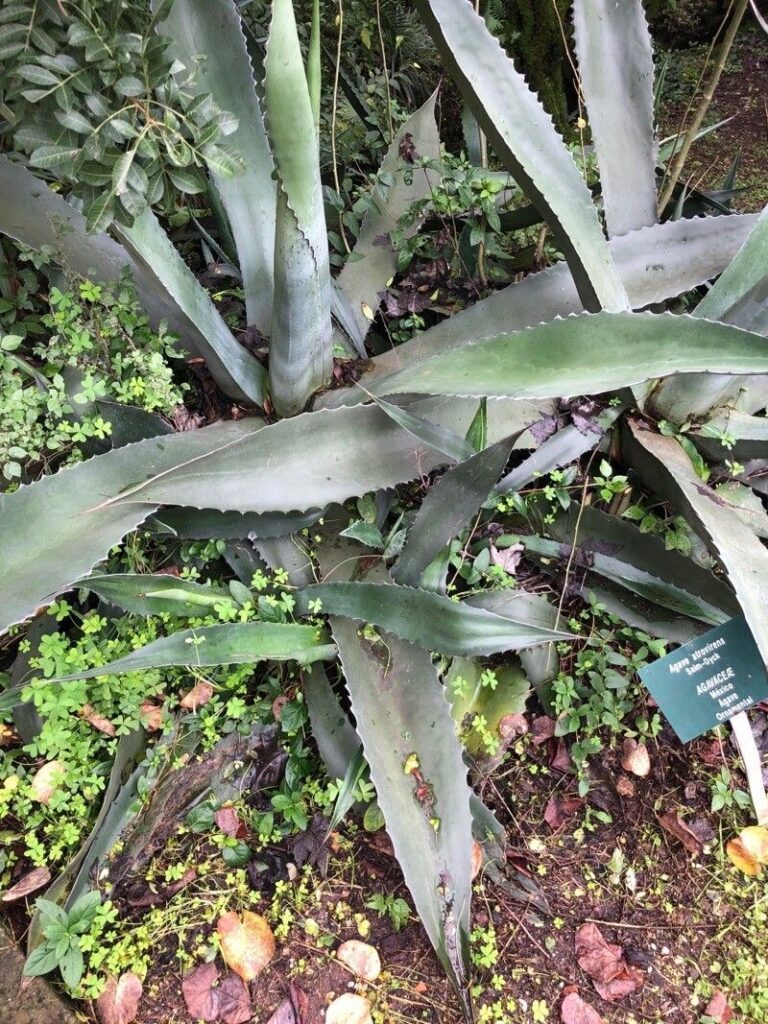
Unveiling the Secrets: How to Propagate Agave Atrovirens and Welcome Majesty to Your Garden
The Agave atrovirens, also known as the “Maguey de Tequila” or “Atrovirens Century Plant,” is a breathtakingly beautiful succulent that can instantly elevate any landscape. Native to the highlands of Mexico, this majestic plant boasts wide, powder-blue leaves, capable of reaching over 6 feet in length, creating a striking architectural display. While its size and imposing beauty might seem intimidating, propagating Agave atrovirens is surprisingly achievable, even for beginner gardeners. Let’s delve into the secrets of multiplying these magnificent giants and welcoming their captivating presence into your garden.
Propagation Methods: Seeds vs. Offsets (Pups)
Agave atrovirens can be propagated using two primary methods: seeds and offsets (commonly referred to as “pups”). Each method comes with its unique advantages and challenges:
1. Seed Propagation:
- The upside: Starting from seeds offers a more economical route to growing multiple Agaves.
- The challenge: Seed germination can be unpredictable and often slow, taking several weeks or even months. Additionally, plants grown from seeds might exhibit slight variations from the parent plant.
2. Offset (Pup) Propagation:
- The upside: This method is faster and yields a higher success rate. Offsets are essentially clones of the parent plant, ensuring you get an identical Agave.
- The challenge: Agave atrovirens doesn’t produce as many pups as some other Agave varieties.
Step-by-Step Propagation Guide:
Propagating from Seed:
- Source your seeds: Purchase reputable seeds from a trusted nursery or online supplier.
- Prepare your potting mix: Use a well-draining seed starting mix or create your own by combining equal parts potting soil, perlite, and coarse sand.
- Sow your seeds: Sprinkle the seeds over the surface of the damp potting mix and lightly press them down. Avoid burying them too deep.
- Provide warmth and light: Place the seed tray in a warm, brightly lit location, avoiding direct sunlight.
- Consistent moisture is key: Mist the soil regularly, keeping it consistently moist but not waterlogged.
- Be patient: Germination can take anywhere from a few weeks to a couple of months.
Propagating from Offsets:
- Identify viable pups: Look for healthy offsets emerging from the base of the mother plant. Ideal pups will have developed their own root system.
- Carefully separate the offset: Use a clean, sharp knife or garden shears to detach the pup, ensuring you get as much of its root system as possible.
- Allow the cut to heal: Leave the separated pup in a shaded, dry location for a day or two to allow the cut wound to callous over.
- Plant your offset: Choose a pot slightly larger than the pup’s root system and use a well-draining soil mix (similar to the seed starting mix).
- Water sparingly: When watering, ensure the soil is thoroughly soaked but allow it to dry out completely between waterings.
Essential Tips for Success:
- Patience is key: Agave atrovirens, regardless of the propagation method, is a slow-growing plant. Don’t be discouraged if you don’t see rapid growth immediately.
- Mimic their natural habitat: These Agaves thrive in well-drained soil and plenty of sunlight. Ensure your chosen location or pot allows for excellent drainage.
- Less is more with watering: Overwatering is the most common mistake made with succulents. Allow the soil to dry out completely between waterings.
Propagating your Agave atrovirens can be an incredibly rewarding experience. With a little patience and care, you can multiply these majestic plants and create a truly captivating landscape that will be the envy of your neighborhood. So, go ahead, embrace the world of Agave propagation and witness firsthand the magic of these desert giants!