
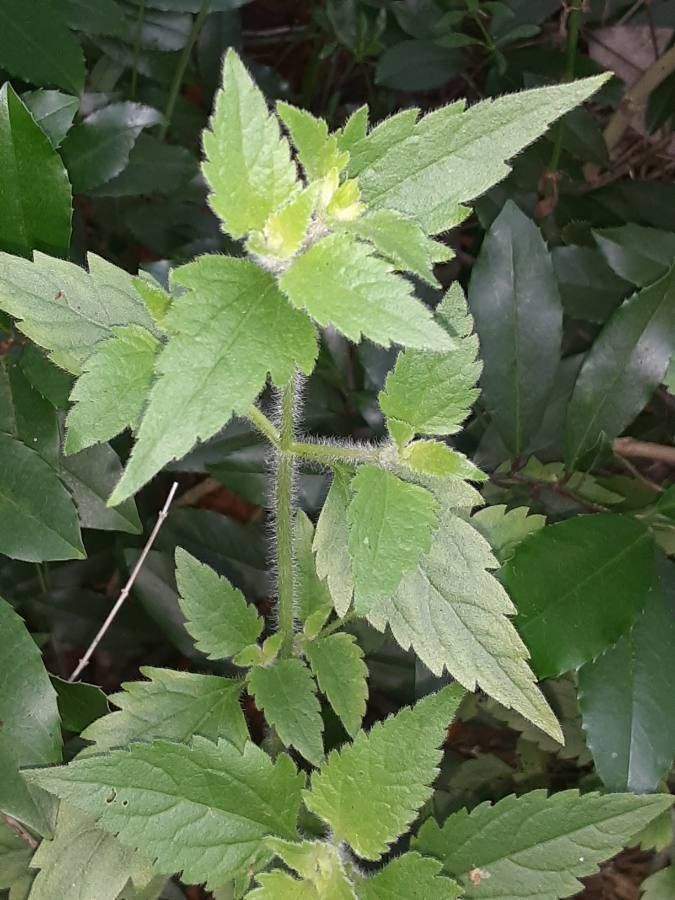
From Tiny Seed to a Sea of Blue: How to Propagate Ageratum corymbosum
Ageratum corymbosum, commonly known as floss flower, is a beloved annual for its vibrant, fluffy blooms and ability to attract pollinators. Its cheerful blue, purple, or white flowers add a pop of color to gardens and containers alike. But did you know that this beautiful plant is incredibly easy to propagate?
That’s right, with a little effort and patience, you can create dozens of new plants from just a few seeds or cuttings. Read on to unlock the secrets of propagating Ageratum corymbosum, turning you into a plant-propagation pro in no time!
Starting from Seed
Ageratum corymbosum is a relatively quick-growing plant that germinates readily from seed. Here’s how to sow your seeds and start your journey to a bountiful bloom:
- Timing is Key: Plant your seeds indoors 6-8 weeks before the last frost. This will give them a head start and ensure they thrive in the warmer weather.
- Choose the Right Medium: Seed starting trays or pots filled with a well-draining seed-starting mix are ideal.
- Sowing the Seeds: Lightly sprinkle seeds onto the surface, covering them with a thin layer of seed starting mix. Gently water, avoiding over-watering which can cause damping off.
- Provide Light and Warmth: Place your seed tray under a grow lamp or in a sunny windowsill for at least 12 hours of light daily. Maintain a temperature between 70-75 degrees Fahrenheit for optimal germination.
- Thinning and Transplanting: Once seedlings have developed their first set of true leaves, thin them to ensure they have ample space to grow. Once the weather warms up, you can transplant your seedlings into the garden or larger containers.
Taking Cuttings for Easy Cloning
For even quicker results, Ageratum corymbosum can be easily propagated from stem cuttings. This technique allows you to create clones of your existing plants, preserving their unique traits.
- Cuttings Selection: Choose healthy, non-flowering stems with several nodes (the points on the stem where leaves grow).
- Sharp Scissors: Use clean, sharp scissors or a knife to make a clean cut just below a node.
- Prepare the Cutting: Remove the lower leaves on the cutting, leaving a few at the top for photosynthesis.
- Root Hormone (Optional): Dip the cut end of the cutting in rooting hormone for a better chance of root development.
- Potting Mix: Use a well-draining potting mix and place the cutting in a small pot, ensuring the cut end is buried.
- Moisture and Light: Keep the soil consistently moist, but not soggy. Place the pot in a bright area protected from direct sunlight for a few weeks.
Tips for Success
- Patience is Key: Like most plant propagation techniques, patience is key. Don’t get discouraged if your cuttings seem to take a while to root or your seeds are slow to sprout.
- Consistent Care: Ensure the soil remains moist but not saturated, and provide sufficient light to your young plants.
- Observe and Adjust: Pay attention to your plants and adjust watering or lighting as needed.
With a bit of time and effort, you can easily create a flourishing garden filled with the beauty of Ageratum corymbosum. Whether you’re starting from seed or taking cuttings, propagation offers a rewarding way to enjoy this popular annual plant and share its cheerful charm with others. Happy propagating!