
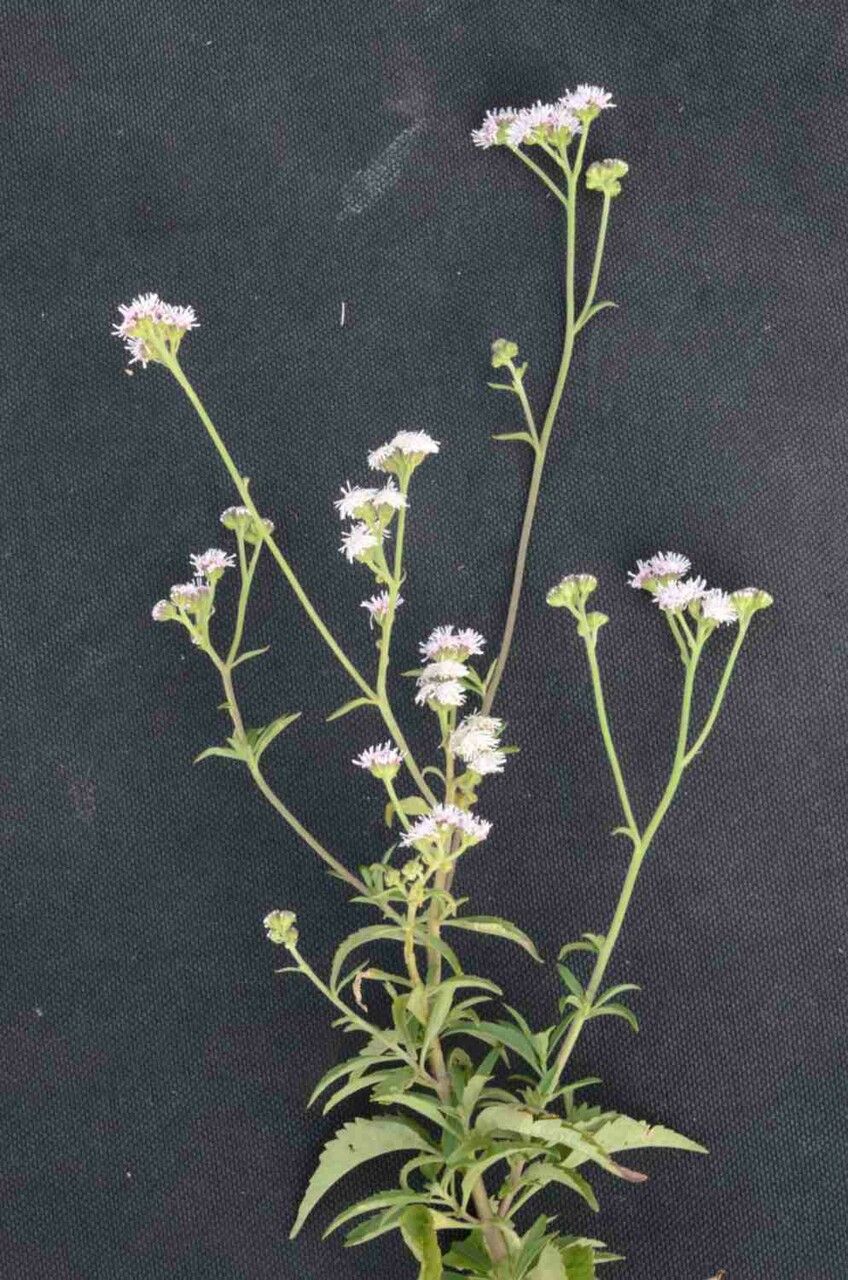
From Seed to Blooms: Propagating Ageratum fastigiatum (Floss Flower)
Ageratum fastigiatum, better known as Floss Flower, is a beloved annual for its vibrant, fluffy blooms that bring a splash of color to gardens all summer long. But did you know that you can easily multiply your Ageratum stock by propagating new plants from seeds or cuttings?
This guide will walk you through the simple steps of creating vibrant Floss Flower colonies from scratch, whether you’re a seasoned gardener or just starting out.
Starting from Seed:
For those who love the thrill of watching tiny seeds transform into flowering plants, starting Ageratum from seed is a rewarding and economical method. Here’s what you need to know:
- Timing: Sow seeds indoors 6-8 weeks before your last frost date. This allows the seedlings to establish a strong root system before being transplanted into the garden.
- Seed Starting Mix: Use a sterile seed starting mix, ensuring proper drainage.
- Sowing: Scatter seeds thinly on the surface of the mix, gently pressing them in but not covering them.
- Watering: Mist the seeds with a fine spray to keep the soil moist.
- Germination: Ageratum seeds need light to germinate. Keep the seedlings in a warm spot with bright, indirect sunlight. Germination usually takes 7-14 days.
- Thinning: Once seedlings have a few true leaves, thin them out, leaving the strongest seedlings about 2-3 inches apart.
- Hardening Off: Before transplanting outdoors, gradually acclimate your seedlings to the outdoors by placing them for progressively longer periods in a sheltered spot.
- Planting Out: Once the threat of frost has passed, transplant your seedlings into well-prepared soil in a sunny location.
Propagation by Cuttings:
If you already have a beautiful Ageratum plant, you can easily create more of them by taking stem cuttings. This method is quick and rewarding, allowing you to enjoy the vibrant colors of the Floss Flower in your garden even more quickly.
- Timing: Take cuttings in spring or summer when the plant is actively growing.
- Cutting Selection: Choose healthy stems with several nodes. Cut them just below a node, making a clean cut with a sharp knife or pruners.
- Preparation: Remove the leaves from the bottom inch or two of the stem.
- Rooting Medium: Use a rooting hormone to encourage root growth, and then place the cuttings in a well-draining medium like a mix of perlite and peat moss.
- Care: Keep the cuttings in a bright, warm spot, avoiding direct sunlight. Maintain a consistently moist environment without overwatering.
- Transplanting: Once roots have formed (usually within a few weeks), you can transplant your new Floss Flower cuttings into your garden bed.
Tips for Success:
- Water Consistently: Ageratum prefers moist soil, but don’t overwater, which can lead to root rot.
- Fertilize Occasionally: A light application of fertilizer every few weeks can promote healthy growth and increase flowering.
- Deadhead: By removing spent blooms, you encourage new flower buds to form, prolonging the flowering period.
Propagating Ageratum fastigiatum is a rewarding experience for gardeners of all levels. Whether you choose to start from seed or take cuttings, you’ll enjoy the vibrant colors and fluffy blooms of the Floss Flower for weeks on end. So get started today and watch your garden come alive with these delightful annuals.